

When Nigeria cracked down on cryptocurrency exchanges in 2021, it felt like the end of an era. Banks blocked transactions, users scrambled to find workarounds, and global platforms like Binance pulled back. But by 2026, the story has completely flipped. Nigeria doesn’t ban crypto exchanges anymore - it licenses them. The real question isn’t which exchanges are banned, but which ones are legally allowed to operate.
There Are No Outright Bans - Just Unlicensed Platforms
Nigeria’s approach in 2026 isn’t about banning platforms. It’s about control. The Investments and Securities Act (ISA) 2025 a comprehensive law signed by President Bola Ahmed Tinubu in March 2025 that reclassifies digital assets as securities and mandates licensing for all crypto exchanges changed everything. Before this law, regulators slapped restrictions on exchanges without clear rules. Now, the Securities and Exchange Commission (SEC) Nigeria’s primary financial regulator responsible for licensing and overseeing crypto exchanges under ISA 2025 decides who gets to operate.If a crypto exchange doesn’t have an SEC license, it’s effectively banned. Not because the government shut it down with a decree, but because it can’t legally accept Naira deposits, process withdrawals, or market services to Nigerian users. The law gives the SEC power to freeze assets, shut down websites, and penalize non-compliant operators. So technically, there’s no list of banned exchanges - just a list of approved ones.
Who’s Licensed? Only Two So Far
As of early 2026, only two exchanges have fully cleared the SEC’s licensing process:- Quidax A Nigerian-based crypto exchange that received early SEC licensing under ISA 2025 and offers Naira trading, KYC, and AML compliance
- Busha Another Nigerian exchange granted SEC license in late 2024, known for fast Naira deposits and strong customer support
These platforms meet strict requirements: full Know Your Customer (KYC) checks, Anti-Money Laundering (AML) monitoring, real-time transaction reporting, and secure custody of customer funds. They’re also required to submit quarterly reports to the SEC and maintain reserves to cover potential client losses.
Other Nigerian platforms like Luno, PalmPay Crypto, and NairaEx applied for licenses but are still under review. Some international platforms tried to register but withdrew after realizing how deep the compliance burden runs. The licensing process takes 6 to 12 months, and many smaller exchanges simply can’t afford the legal and technical costs.
Binance: Not Banned - Just Restricted
Binance is the most talked-about name in Nigerian crypto. In February 2024, it stopped Naira trading on its peer-to-peer platform. Telecom providers blocked access to binance.com. But here’s what most people miss: Binance was never officially banned.Nigerians can still log into their Binance accounts. They can still send and receive Bitcoin, Ethereum, and other cryptocurrencies. They can still trade crypto-for-crypto. The only thing blocked is direct Naira deposits and withdrawals. That’s a huge limitation, but not a total shutdown.
Many users still access Binance through VPNs. Some even use Binance’s international app, not the Nigerian-specific site. The SEC doesn’t go after individual users - it targets the exchange. So while Binance can’t legally serve Nigerian customers with Naira, it hasn’t been shut down. It’s in a gray zone: technically restricted, but still usable.

Why the Shift? Nigeria’s Crypto Market Is Too Big to Ignore
Between July 2024 and June 2025, Nigeria received over $92.1 billion in cryptocurrency value. That’s more than any other African country - double South Africa’s volume. No government could sustain a ban on that scale.The Central Bank of Nigeria (CBN) had banned banks from serving crypto firms in 2021. But by late 2023, the new CBN governor reversed that. Banks started reopening accounts for licensed exchanges. Why? Because Nigerians were already using crypto. The economy was already moving. The question became: Do we fight it, or regulate it?
The ISA 2025 answer was clear: regulate it. The law doesn’t just cover exchanges. It also applies to NFT marketplaces, online forex trading platforms, and even some DeFi protocols. The goal? Stop fraud, protect users, and bring crypto into the formal financial system.
The Hidden Cost: Compliance Is Expensive
Getting licensed sounds great - until you see what it takes. Exchanges need:- A physical office in Nigeria
- Local legal counsel and compliance officers
- Real-time transaction monitoring software
- Bank partnerships for Naira on/off ramps
- Monthly reporting to the SEC and NFIU
The cost? At least $500,000 in setup fees and annual compliance costs. That’s why only two local players made it so far. International exchanges like Kraken, Coinbase, and KuCoin haven’t applied. They don’t see the Nigerian market as worth the investment - not yet.
The Tax Hammer: NTAA 2025 Is Coming
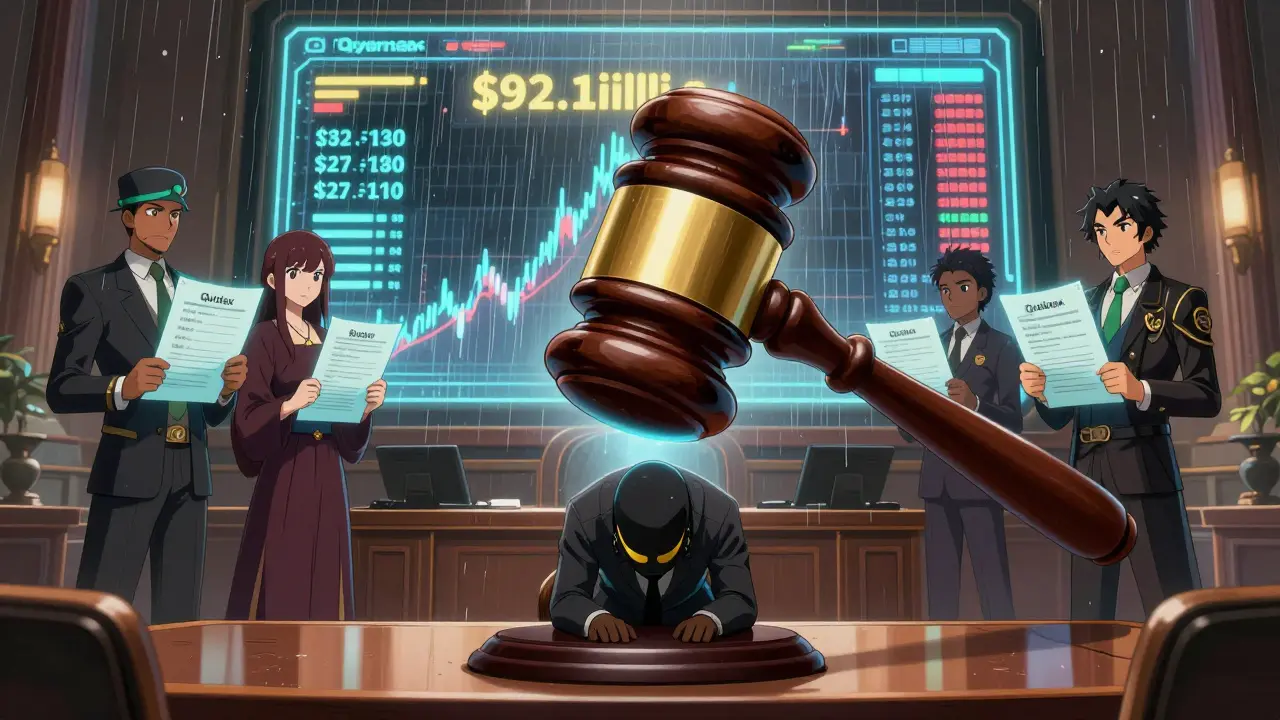
In June 2025, Nigeria passed the Nigeria Tax Administration Act (NTAA) 2025 a law requiring crypto exchanges to report all user transactions and withhold taxes on capital gains, effective January 2026. Starting in 2026, exchanges must:- Track every crypto-to-Naira trade
- Calculate capital gains for each user
- Withhold 10% tax on profits
- Submit reports to the Federal Inland Revenue Service (FIRS)
Failure? A fine of ₦10 million ($6,693) in the first month, plus ₦1 million ($669) every month after. That’s not a warning - it’s a financial trap for unprepared platforms.
What About Other Exchanges? Are They Illegal?
Exchanges like Bybit, OKX, Huobi, and Bitget are still accessible to Nigerians. Many users use them daily. But here’s the catch: they’re operating illegally. If the SEC decides to crack down, these platforms could be blocked at the network level, and Nigerian users could face trouble if they’re found to be using them for large-scale trading or money laundering.There’s no public list of unlicensed exchanges. But if a platform doesn’t appear on the SEC’s official list of licensed VASPs (Virtual Asset Service Providers), it’s not legal. And the SEC is actively monitoring traffic patterns and reporting suspicious activity to the EFCC (Economic and Financial Crimes Commission).
What Should Users Do?
If you’re in Nigeria and want to trade crypto in 2026, here’s what works:- Use Quidax or Busha - they’re safe, legal, and have customer support.
- If you use Binance or other international platforms, understand you’re in a gray zone. Don’t deposit large Naira amounts - stick to crypto-to-crypto trades.
- Never use unlicensed platforms for large transactions. You have no legal protection if something goes wrong.
- Keep records of all trades. The tax authorities are watching.
There’s no way around the fact that Nigeria’s crypto scene is now tightly regulated. But that doesn’t mean it’s dead. It means it’s maturing. The exchanges that survive are the ones that play by the rules - and the users who win are the ones who know the difference between a restricted platform and a banned one.
Are crypto exchanges completely banned in Nigeria?
No. Nigeria doesn’t ban crypto exchanges outright. Instead, it requires all exchanges to get licensed by the Securities and Exchange Commission (SEC). Unlicensed exchanges are effectively banned because they can’t legally accept Naira deposits or operate within the country. Only Quidax and Busha have received full licenses as of early 2026.
Is Binance banned in Nigeria?
Binance is not officially banned, but it’s restricted. In 2024, Binance stopped Naira trading and Nigeria’s telecom providers blocked access to its website. Nigerians can still use Binance for crypto-to-crypto trades, but they can’t deposit or withdraw Naira directly. Access often requires a VPN, which puts users in a legal gray area. The SEC has not issued a formal ban, but Binance is not licensed to operate in Nigeria.
Which crypto exchanges are legal in Nigeria in 2026?
As of early 2026, only two exchanges are fully licensed by Nigeria’s SEC: Quidax and Busha. These platforms comply with strict KYC, AML, and reporting rules. Other exchanges, including international ones like Kraken or Coinbase, have not applied for or received licenses and are not legally permitted to offer Naira trading services.
Can I still use Binance or other international exchanges?
Yes, technically - but not legally. Many Nigerians still use Binance, Bybit, OKX, and similar platforms for crypto-to-crypto trading. However, since these platforms aren’t licensed, using them for large transactions or Naira deposits puts you at risk. The SEC can block access, and the tax authorities may flag your activity under NTAA 2025. Use them at your own risk.
What happens if I use an unlicensed exchange?
If you’re an individual user, you’re unlikely to face direct penalties. The SEC targets the exchange operators, not retail users. However, if you’re trading large amounts, the Federal Inland Revenue Service (FIRS) may audit your transactions under NTAA 2025. You could owe back taxes or face penalties. Also, if the platform gets shut down, you might lose access to your funds with no recourse.
Why did Nigeria change its crypto rules?
Nigeria’s crypto market exploded. Between July 2024 and June 2025, over $92 billion in cryptocurrency flowed into the country. The government realized it couldn’t stop it - so it decided to regulate it. The ISA 2025 law was created to protect users, prevent fraud, stop money laundering, and bring crypto into the formal economy. It’s a shift from fear to control.
Will more exchanges get licensed in 2026?
Possibly. The SEC is reviewing several applications from both Nigerian and international firms. But the bar is high: licensing requires millions in compliance spending, local infrastructure, and ongoing reporting. Only exchanges with serious resources are likely to succeed. Expect more licenses by late 2026, but don’t count on major global platforms like Coinbase entering soon.
What’s Next?
The future of crypto in Nigeria isn’t about bans anymore. It’s about who can afford to play by the rules. The SEC’s licensing system is still new, and enforcement is uneven. But one thing’s clear: if you want to trade crypto legally in Nigeria, you need to use a licensed exchange. Everything else is a gamble.For users, the choice is simple: safety and legality - or convenience and risk. For the country, the bet is that regulation will turn crypto from a shadow economy into a driver of innovation. So far, it’s working - but only for those who follow the new game.



Comments
perry jody
February 4, 2026 AT 05:10 AMMan, I can't believe how wild this shift is. Nigeria went from blocking crypto to licensing it like it's a coffee shop license 😅
Quidax and Busha are the only two? That's wild. I thought more would've jumped in. Guess the compliance costs are brutal.
Love that they're not banning outright-smart move. You can't stop what the people are already doing. Better to regulate than fight it.
Binance still working through VPNs? Classic. I'd bet half the Nigerian traders have a NordVPN subscription.
And that NTAA 2025 tax thing? Oof. 10% on gains? That's gonna hurt small traders. Hope they have good accounting tools.
Still, this is one of the few places where crypto went from 'black market' to 'regulated industry' without a revolution. Respect.
Paul Jardetzky
February 5, 2026 AT 14:33 PMLet me break this down real simple:
1. Nigeria didn’t ban crypto - they got tired of losing tax revenue.
2. Only two licensed? That’s a monopoly waiting to happen.
3. Binance’s P2P shutdown? Not a ban. It’s a business decision. They don’t want the paperwork.
4. If you’re using Bybit or OKX? You’re gambling. No legal recourse if they vanish tomorrow.
5. The $500K compliance cost? That’s why only locals made it. Foreign exchanges? Too lazy to bother.
6. This isn’t crypto regulation. It’s financial control with a smiley face.
Paul Gariepy
February 7, 2026 AT 10:19 AMOkay okay okay-this is HUGE. I’ve been following this since 2021, and I never thought Nigeria would flip the script like this.
First off: the ISA 2025? That’s not just regulation-it’s a full-on financial takeover. Digital assets as securities? That’s Wall Street-level control.
And the cost? $500K? That’s not a barrier to entry-that’s a wall. Only billionaires or state-backed firms can afford this. So who benefits? The two licensed exchanges-and the SEC.
And the tax? 10% on capital gains? That’s insane. If you made $10k profit? $1k gone. That’s not taxation-it’s extraction.
Also-why is no one talking about the fact that the CBN reversed its 2021 ban? That’s the real turning point. Banks reopened accounts because they realized crypto was already the people’s bank.
And the VPN thing? Binance users are basically hacking the system. And the SEC? They’re pretending not to notice.
What’s next? Mandatory crypto wallet registration? Biometric KYC? I’m not scared-I’m fascinated.
Jim Laurie
February 8, 2026 AT 14:24 PMMan, I just feel so… emotional about this.
You know, when Nigeria first cracked down, I thought it was the end. Like, 'bye bye crypto dreams.' But now? It’s like they took the chaos and turned it into something… structured. Beautiful.
Quidax and Busha? Those are the real heroes. Local guys building something that actually works for Nigerians-not just profit-hungry offshore corps.
And Binance? Still hanging in there. I admire that. They didn’t run. They adapted. Even if they’re in a gray zone, they’re still there.
The tax thing? Yeah, it’s heavy. But if it means people stop getting scammed by fake ICOs? I’ll take it.
It’s not perfect. But it’s progress. And in crypto? Progress is a miracle.
I’m proud of Nigeria. Seriously.
Udit Pandey
February 8, 2026 AT 15:45 PMIt is a great honor for Nigeria to be the first African nation to implement such a sophisticated regulatory framework for digital assets.
While other nations fumble with bans and confusion, Nigeria stands tall with the ISA 2025-a model of sovereign financial discipline.
That only two local exchanges have qualified is not a failure-it is a testament to the rigor of Nigerian standards.
Foreign platforms like Binance, Kraken, and Coinbase? They are welcome to apply-but they must submit to Nigerian law, not impose their foreign rules.
Any citizen who uses unlicensed platforms is not a 'tech-savvy user'-they are a reckless risk-taker undermining national economic sovereignty.
Let us not forget: Nigeria does not beg for approval. Nigeria sets the standard.
Sharon Lois
February 8, 2026 AT 17:52 PMSo let me get this straight: the government lets two Nigerian startups run the entire crypto market… and calls it 'regulation'?
Meanwhile, Binance is still accessible via VPN, and the SEC pretends not to notice?
And now they’re taxing your crypto gains? That’s not regulation-that’s a tax scam with a fancy law name.
They didn’t 'flip the script'-they just made the same old game, but now you have to pay to play.
And you call this 'maturity'? It’s a monopoly with a government stamp.
mahikshith reddy
February 8, 2026 AT 22:10 PMOnly two licensed? That’s pathetic.
Real men don’t need licenses. Real traders use Binance, Bybit, OKX-no paperwork, no taxes, no fear.
This 'ISA 2025' is just another way for the elite to control the masses.
Quidax? Busha? Who even are they? I’ve never heard of them before.
True crypto freedom? It’s not in a Nigerian office. It’s on a decentralized chain.
They think they’re smart? They’re just scared.
Brendan Conway
February 9, 2026 AT 02:28 AMMan, I just read this whole thing and… I don’t know what to feel.
On one hand, it’s kinda cool that Nigeria figured out a way to not totally screw people over.
On the other hand, it’s kinda sad that only two companies can even try to play.
I mean… if you’re a small dev in Lagos trying to build a crypto app? You’re out before you start.
Binance still working? That’s the real story.
People aren’t waiting for licenses. They’re just trading.
Maybe the system isn’t as tight as they think.
Katie Haywood
February 9, 2026 AT 06:47 AMOkay, but let’s be real: the SEC didn’t 'liberate' crypto. They just took it from the wild west and put it in a cage.
Quidax and Busha? Cool. But they’re basically government-approved middlemen now.
And that 10% tax? That’s not 'protecting users'-that’s the state saying 'we want a cut.'
Binance still working via VPN? That’s the people’s rebellion.
Regulation doesn’t mean safety. It means control.
And honestly? I’m not sure Nigeria’s version of 'control' is better than the chaos.
Matt Smith
February 9, 2026 AT 14:16 PMLMFAO. 'Licensed exchanges'? 😂
So Nigeria banned crypto… then turned it into a monopoly? And now they’re calling it 'maturity'?
Quidax and Busha? Who? I’ve never heard of them. Meanwhile, Bybit’s trading volume in Nigeria is 10x higher.
And the tax? 10% on gains? That’s not regulation-that’s a pay-to-play scheme.
Also, Binance isn’t 'restricted'-they’re just too smart to waste money on Nigerian bureaucracy.
And you call this 'innovation'? It’s a cash grab with a law degree.
Meanwhile, the real crypto users? They’re still on Telegram, using USDT, laughing at the SEC.
This isn’t progress. It’s theater.
orville matibag
February 11, 2026 AT 07:41 AMAs someone who’s lived in both Lagos and Atlanta, I’ve seen this shift up close.
Back in 2022, I’d see guys in Surulere trading crypto on their phones with no internet-just Bluetooth transfers.
Now? They’re at Quidax kiosks, filling out KYC forms like they’re applying for a loan.
It’s bittersweet.
The safety is nice. No more scams. No more frozen wallets.
But the soul? The wild, free, 'figure-it-out-yourself' spirit of Nigerian crypto? That’s gone.
It’s like they took a street market and turned it into a Walmart.
Same products. Different energy.
Josh Flohre
February 11, 2026 AT 14:14 PMLet me correct the record: this is not 'regulation.' This is a state-sanctioned cartel.
Only two licensed exchanges? That’s not 'compliance.' That’s corruption dressed in legal robes.
ISA 2025? A tool to crush competition and funnel profits to politically connected firms.
NTAA 2025? A tax grab disguised as financial oversight.
And the SEC? They’re not regulators-they’re gatekeepers.
Anyone who believes this is 'progress' is either naive or on the payroll.
Real crypto is decentralized. This? This is centralized control with a Nigerian flag.
Jesse Pasichnyk
February 12, 2026 AT 22:15 PMLook, I get it. Nigeria’s trying to do the right thing.
But let’s not sugarcoat it: this is about money.
They see $92 billion flowing in and say, 'Hey, we’re not getting any of that.' So now they want a cut.
And who gets to play? The ones with lawyers and offices in Abuja.
Meanwhile, the guy in Port Harcourt using Binance? He’s still the real crypto user.
Regulation? Sure. But this feels like a tax on innovation.
And the tax? 10%? That’s brutal for small traders.
They didn’t fix the problem-they just made it more expensive.
Jordan Axtell
February 13, 2026 AT 21:26 PMI just want to say… I feel seen.
My cousin in Abuja got her crypto wallet frozen last month because she used OKX.
She’s terrified now. She doesn’t know if she’ll get her money back.
And the SEC? They don’t care. They only care about the two 'licensed' ones.
It’s not about safety. It’s about control.
And honestly? It breaks my heart.
People risked everything to use crypto-because the banks failed them.
Now the government says, 'You can use it… but only if we say so.'
That’s not progress. That’s betrayal.
James Harris
February 15, 2026 AT 01:32 AMThis is actually kind of beautiful.
Nigeria didn’t try to stop crypto.
They saw it was happening-so they made it legal, safe, and taxed.
That’s leadership.
Yeah, it’s not perfect.
Yeah, only two exchanges made it.
But at least now, if something goes wrong, there’s someone to call.
Before? You were on your own.
Now? You have rules. You have recourse.
And that’s worth something.
Not everyone will like it.
But the people who needed protection? They’re finally getting it.
Alex Garnett
February 16, 2026 AT 06:58 AMOnly two licensed? That’s laughable.
This isn’t regulation-it’s elite capture.
ISA 2025? A law written by bankers for bankers.
Quidax and Busha? They’re not innovators. They’re bureaucrats with crypto logos.
And the tax? 10%? That’s not 'protecting users'-it’s a wealth extraction scheme.
Meanwhile, Binance users are laughing all the way to their cold wallets.
This isn’t maturity. It’s fear.
And the people who built this ecosystem? They’re being priced out.
Great job, Nigeria.
Paul Jardetzky
February 17, 2026 AT 13:07 PMActually, the real story here isn’t the license-it’s the tax.
The SEC doesn’t care if you use Binance.
The FIRS does.
That 10% withholding? That’s the real hook.
They’re not trying to stop crypto.
They’re trying to tax it into submission.
And guess what? Most people won’t file.
So now you’ve got a black market… with receipts.