
Smart Contracts: How They Power Crypto, DeFi, and Blockchain Automation
When you send crypto, trade tokens, or stake in a DeFi protocol, you’re often interacting with a smart contract, a self-executing program stored on a blockchain that runs exactly as coded without human intervention. Also known as blockchain scripts, they remove the need for banks, lawyers, or middlemen by locking rules directly into the network. Think of them like digital vending machines: you put in the right input (like ETH or USDC), and the contract automatically gives you the output (like tokens, interest, or NFTs) — no exceptions, no delays.
Smart contracts are the engine behind DeFi, a system of financial apps built on blockchains that let you lend, borrow, or trade without traditional banks. They’re also what make liquidity locks, a security measure that prevents developers from stealing funds by locking trading pools in code possible — a feature you’ll see mentioned in posts about rug pulls and token scams. Without smart contracts, you couldn’t have platforms like Uniswap, Aave, or even token airdrops that require automated eligibility checks. They’re not magic — they’re code. And like any code, they can have bugs, which is why security audits matter so much.
Most of the crypto projects you read about — whether it’s a meme coin on Base Chain, a fan token tied to a football club, or a restaking token for Bitcoin — rely on smart contracts to function. Even the 1% TDS tax on crypto trades in India or Korea’s 2027 crypto tax rules are designed to be enforced through on-chain tracking, which only works because transactions are recorded and verified by these contracts. Cross-chain bridges? They’re smart contracts on two different blockchains talking to each other. Validator selection in Proof-of-Stake? That’s governed by smart contract logic too.
You don’t need to write code to use them, but you do need to understand they’re always running in the background. A fake airdrop? It’s often a scam contract trying to drain your wallet. A "0% fee" exchange? It’s likely using a smart contract to collect fees in tokens instead of cash. And when Germany shut down Russian crypto exchanges, they didn’t just freeze bank accounts — they traced transactions back to smart contract addresses. Smart contracts don’t lie. They don’t get tired. But they also don’t forgive mistakes.
Below, you’ll find real breakdowns of crypto projects that live and die by smart contracts — from the ones that work as intended to the ones that collapsed because of a single line of bad code. Whether you’re checking a token’s liquidity lock, analyzing a DeFi protocol, or avoiding a fake airdrop, knowing how these contracts behave is your best defense.

How Platform Cryptocurrencies Enable dApps
Platform cryptocurrencies like ETH and SOL power dApps by paying for transactions, securing networks through staking, and enabling token standards. Without them, decentralized apps couldn't operate reliably or securely.
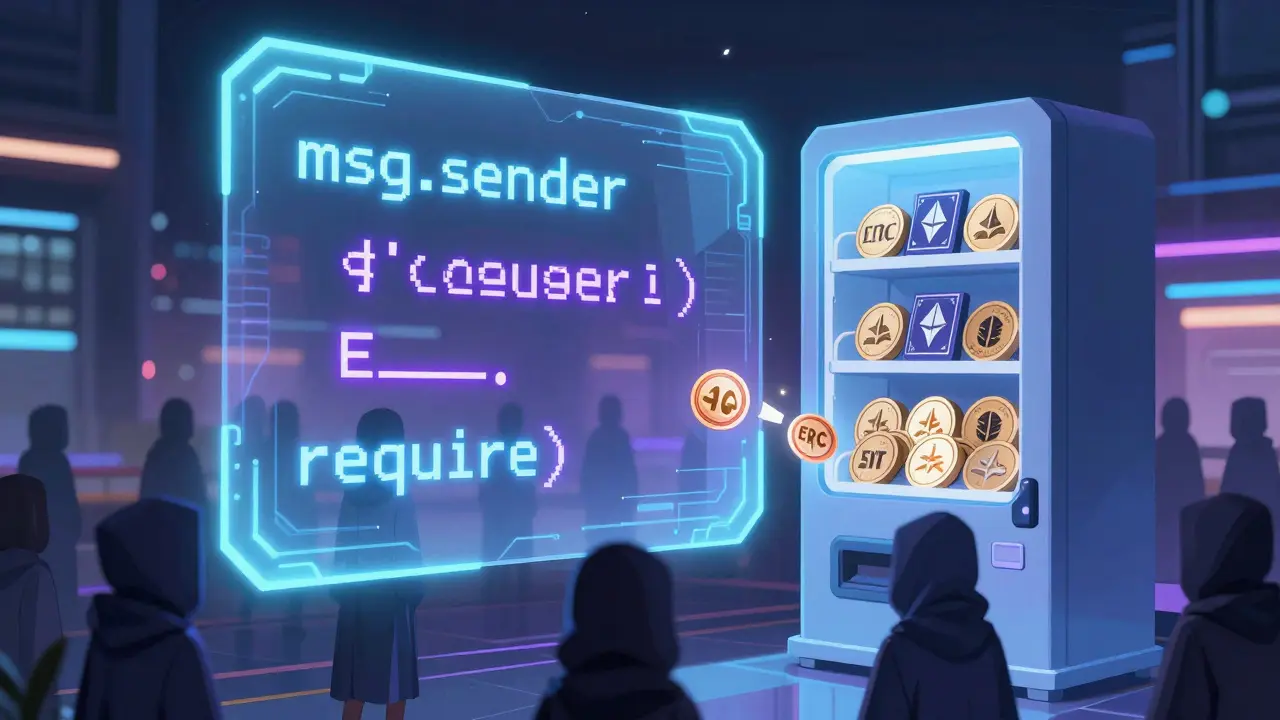
How Smart Contracts Work on Ethereum: A Clear Breakdown for Beginners
Smart contracts on Ethereum are self-executing programs that run on the blockchain without intermediaries. They power DeFi, NFTs, and DAOs using code like Solidity, deployed via the EVM. Learn how they work, their limits, and why they matter.

What Is Web3 and How It Works: A Clear Breakdown of the Decentralized Internet
Web3 is a decentralized internet where users own their data and digital assets through blockchain, smart contracts, and crypto wallets. Unlike Web 2.0, it removes middlemen and gives control back to individuals - with real apps already in use.