
Bitcoin Mining: How It Works, Who Does It, and Why It Matters
When you hear Bitcoin mining, the process of validating Bitcoin transactions and adding them to the blockchain by solving complex mathematical puzzles. Also known as crypto mining, it’s the backbone of Bitcoin’s security and decentralization. Without miners, Bitcoin doesn’t work. No one controls it, no bank backs it—just thousands of machines racing to solve puzzles and earn new Bitcoin as a reward.
It’s not just about computers. Bitcoin hash rate, the total computing power dedicated to securing the Bitcoin network tells you how hard it is to mine Bitcoin right now. When the hash rate goes up, miners are competing harder. That means older machines can’t keep up. The best hardware today—like the Antminer S21 or WhatsMiner M50—is built for one thing: efficiency. Every watt of electricity matters. In places like Texas, Kazakhstan, or even underground in Iraq, miners chase cheap power because electricity costs can make or break a mining operation. And it’s not just hobbyists anymore. Big players with data centers and access to renewable energy dominate the game. Retail miners? They’re rare now. The days of mining Bitcoin on a gaming PC are over.
But why does this matter to you? Because Bitcoin electricity cost, the amount of energy consumed per Bitcoin mined, which directly impacts profitability and environmental concerns affects Bitcoin’s price. When energy prices spike, miners shut down. That reduces the network’s hash rate, which can trigger adjustments in mining difficulty—and sometimes, price swings. Meanwhile, countries like Iraq banned mining outright, while others, like Germany, cracked down on unlicensed operations. Mining isn’t just tech—it’s policy, economics, and geography all rolled into one.
You’ll find posts here that dig into how mining works under the hood, what gear actually pays off, and where mining is still alive despite bans and regulations. Some posts expose fake mining schemes. Others break down real-world cases, like how Russian exchanges got hit by sanctions or how Turkish traders bypassed payment blocks to keep mining going. You’ll see how Bitcoin mining ties into global finance, energy markets, and even geopolitical power plays. This isn’t theory. It’s what’s happening right now, in real data centers and hidden rigs around the world.
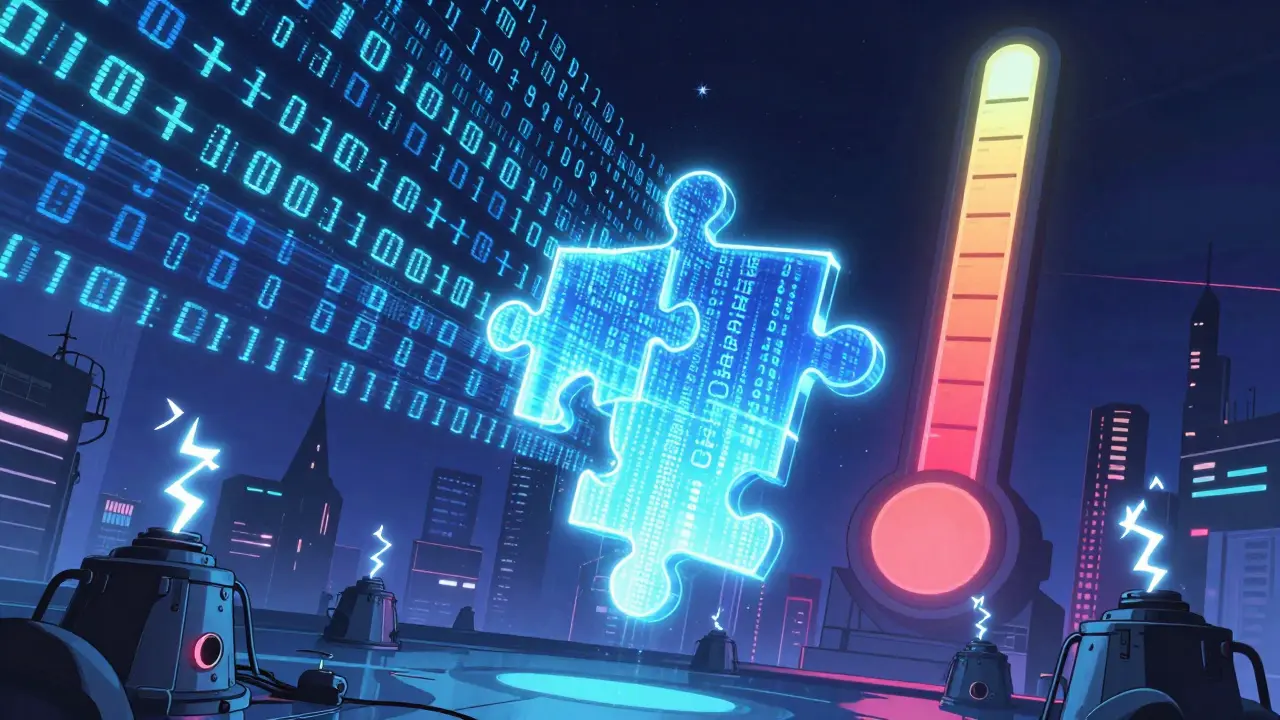
How Bitcoin Mining Difficulty and Hash Rate Work Together
Bitcoin's mining difficulty and hash rate work together to keep block times at 10 minutes. As more miners join, difficulty rises to maintain security. This self-adjusting system ensures network stability, even as hardware and prices change.
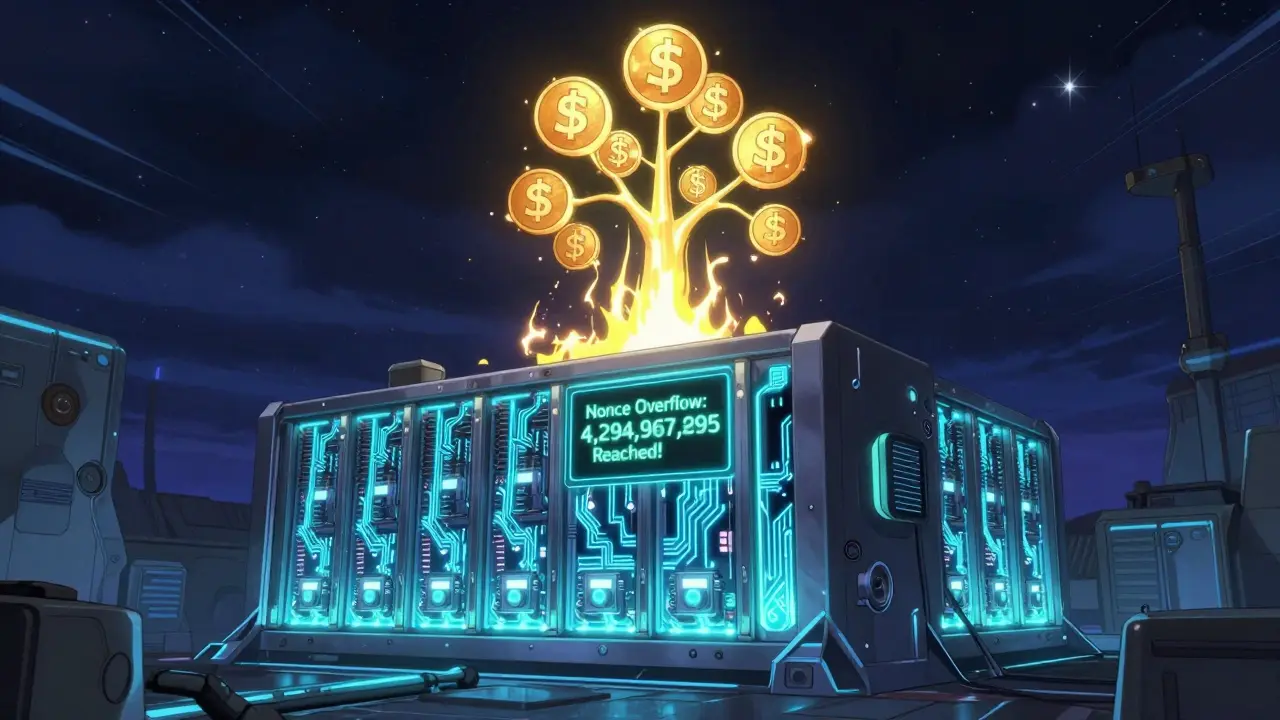
Nonce Overflow in Bitcoin Mining: How Miners Keep Going When the Numbers Run Out
Nonce overflow in Bitcoin mining is a routine event where miners exhaust all 4.2 billion possible nonce values. The system handles it automatically using the extraNonce, ensuring continuous mining without disruptions.