
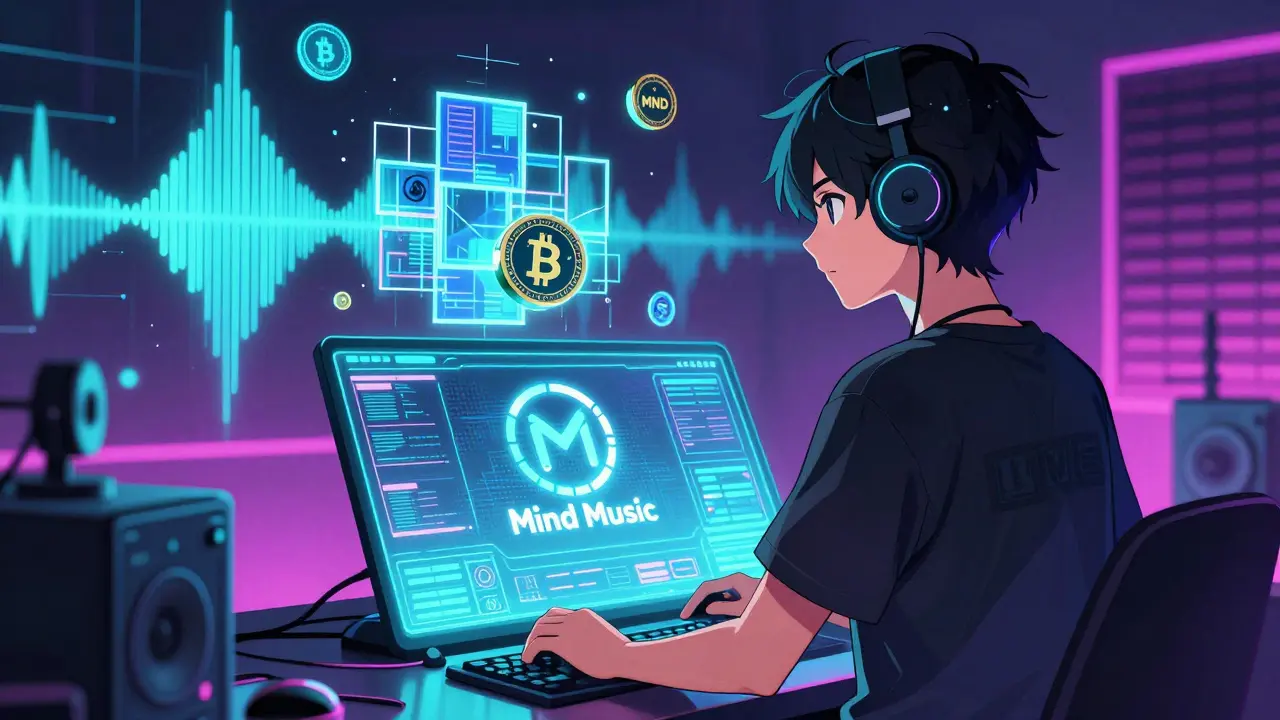
Remember the hype around crypto-music hybrids? If you’ve been hunting for free tokens in 2026, you might have stumbled upon Mind Music, also known as MND. It was marketed as the world’s first record label powered by cryptocurrency. The big draw was their Global Awareness Campaign airdrop, which promised billions of tokens to lucky winners. But here is the hard truth: that specific campaign ended years ago. It launched back in March 2022.
If you are reading this today, July 10, 2026, you cannot sign up for that original drop. However, understanding how it worked, what happened to the project, and whether the MND token still holds value is crucial if you hold any leftovers or are considering similar opportunities now. Let’s break down exactly what Mind Music offered, why it mattered at the time, and where things stand today.
The Core Mechanics of the Mind Music Airdrop
To understand the scale of this event, you need to look at the numbers. When CoinMarketCap partnered with Mind Music for this distribution, they didn’t just give away a few hundred coins. The total prize pool was massive: 30 trillion MND tokens.
That number sounds astronomical, but context matters. These 30 trillion tokens were distributed among 15,000 lucky winners. Each winner could receive up to 2 billion MND tokens. On average, that meant roughly 2 billion tokens per person if the distribution was perfectly even, though random selection algorithms usually create variance.
Why such huge numbers? In the early days of crypto-music projects, inflationary supply models were common. The goal wasn’t necessarily immediate price appreciation per token, but rather widespread adoption. By giving out billions of tokens, Mind Music ensured that thousands of users had a stake in the ecosystem. This strategy aimed to convert casual observers into active participants who would then use the token for staking or trading.
How Did Users Actually Participate?
You didn’t need to be a coding expert to get involved. The barrier to entry was intentionally low because the goal was mass awareness. Here is how the process typically worked during those campaigns:
- Platform Access: You had to visit the official campaign page hosted on CoinMarketCap. This platform acted as the trusted intermediary, lending credibility to the offer.
- Account Verification: Participants needed a verified CoinMarketCap account. This helped filter out bots and ensured real humans were engaging with the brand.
- Wallet Connection: To claim rewards later, users often had to connect a compatible Web3 wallet. This step integrated them into the broader blockchain ecosystem from day one.
- Social Tasks: Many airdrops required simple actions like following social media accounts or sharing news. Mind Music likely used these tactics to boost visibility across Twitter, Telegram, and Discord.
The key takeaway here is simplicity. The friction was minimal. If you were already tracking crypto prices on CoinMarketCap, participating took less than five minutes. That ease of access contributed to the rapid user acquisition Mind Music reported in its early months.
Beyond the Free Tokens: Staking and Utility
Getting free tokens is fun, but keeping them requires utility. Mind Music didn’t just hand out coins and disappear. They built an ecosystem designed to keep holders engaged. The most prominent feature was their staking program.
At launch, Mind Music offered staking pools with an Annual Percentage Yield (APY) of up to 75%. Yes, that is higher than traditional savings accounts or even many stablecoin yields. To earn this, you simply connected your wallet and locked your MND tokens. In return, you received passive rewards over time.
This high yield served two purposes. First, it incentivized people not to sell their airdropped tokens immediately, reducing selling pressure on the market. Second, it introduced users to the concept of decentralized finance (DeFi) staking within a music-focused context. For beginners, this was a gentle introduction to earning interest on crypto assets without complex trading strategies.
The Music Behind the Crypto
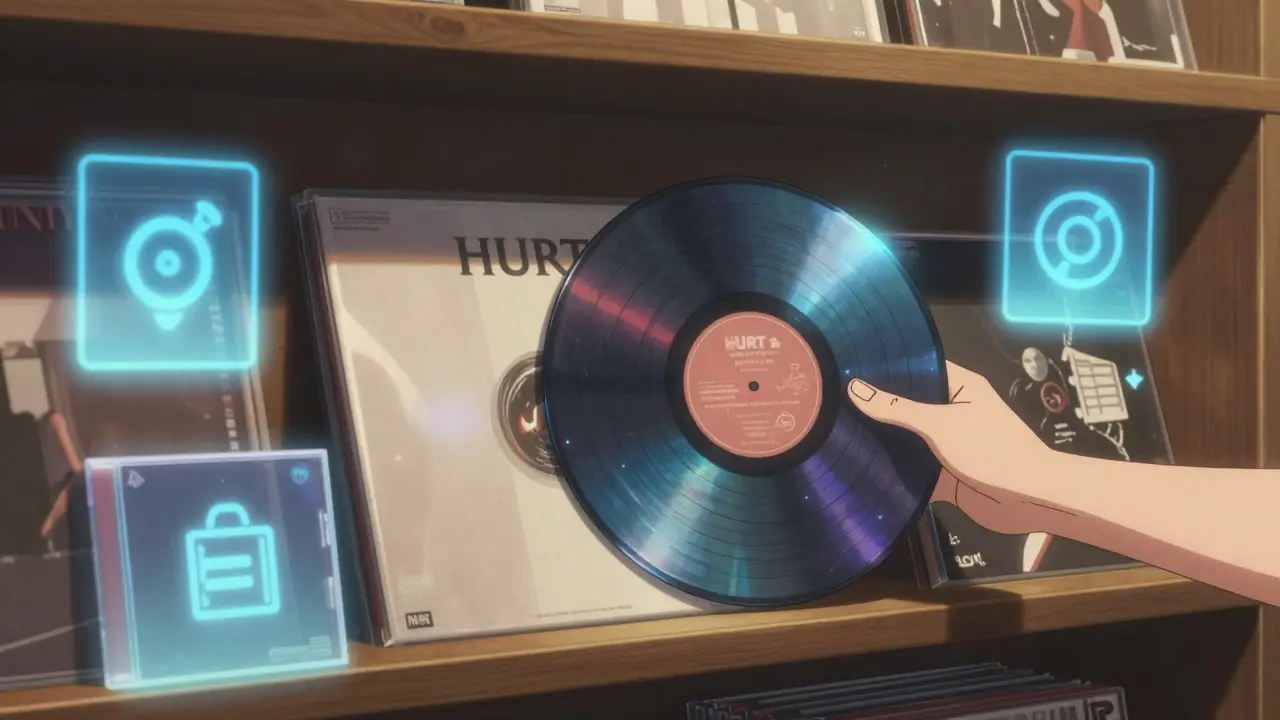
A crypto project called "Mind Music" needs actual music to survive. Otherwise, it’s just another token with no underlying value. Fortunately, the team delivered tangible content. Their debut single, titled HURT, gained significant traction across mainstream platforms.
We aren’t talking about obscure SoundCloud tracks. HURT accumulated tens of thousands of streams on Spotify, hundreds of thousands of views on YouTube, and millions of plays on TikTok and Instagram. More impressively, it won the UK Song Contest in the Music Aid category. This external validation proved that the project wasn’t purely speculative; there was genuine artistic merit driving the brand.
This dual approach-combining blockchain technology with real-world entertainment metrics-is rare. Most crypto projects fail because they lack a product anyone actually uses. Mind Music tried to bridge that gap by ensuring their music reached audiences beyond the crypto bubble.
NFTs and Physical Merchandise Integration
In 2022, Non-Fungible Tokens (NFTs) were everywhere. Mind Music jumped into this trend with a plan to release its own NFT collection shortly after the airdrop announcement. But they added a twist that appealed to collectors: physical integration.
Every NFT purchase included a limited-edition numbered colored vinyl, a CD, and a digital download package created by Mark Hamilton. This hybrid model bridged the gap between digital ownership and physical collectibles. For fans, owning an NFT meant holding a piece of art you could play on your turntable. For investors, it added tangible scarcity to the digital asset.
This strategy recognized a limitation in pure digital markets: not everyone wants a JPEG. By offering physical goods, Mind Music expanded its potential customer base to include traditional music collectors who might have been skeptical of blockchain technology alone.
Current Status and Long-Term Outlook
So, what happened after the initial buzz faded? As we sit in mid-2026, the landscape has shifted dramatically. The crypto market has matured, and many projects from the 2021-2022 boom have either evolved significantly or disappeared.
Information about Mind Music’s current operations is sparse. While the project showed strong momentum in 2022-with claims of averaging 5 million participants within months-recent updates are scarce. This silence raises questions about long-term sustainability. High APY staking rewards, while attractive, can be difficult to maintain indefinitely without substantial revenue streams. Additionally, distributing 30 trillion tokens creates significant inflationary pressure unless demand grows exponentially to match supply.
If you still hold MND tokens from the original airdrop, check current listings on exchanges like Coin Tiger, where the token was initially listed. Look for recent trading volume and liquidity. Low volume suggests reduced interest, while active trading indicates a surviving community. Always verify contract addresses before interacting with any remaining services to avoid scams impersonating the original brand.
Lessons for Future Airdrop Hunters
The Mind Music case study offers valuable lessons for anyone chasing future airdrops. First, timing is everything. The 2022 environment was ripe for aggressive marketing and high-yield promises. Today, regulators and users are more cautious. Projects must demonstrate clearer utility and sustainable economics.
Second, don’t ignore the non-crypto elements. Mind Music succeeded initially because it had real music, awards, and physical merchandise. Pure financial engineering rarely lasts. Look for projects with tangible products or services outside the blockchain.
Finally, manage expectations. An airdrop is a marketing tool, not a guaranteed path to wealth. The 30 trillion token supply means individual token value remains low unless massive adoption occurs. Treat airdrops as educational experiences or small bonuses, not primary income sources.
| Metric | Value / Detail |
|---|---|
| Total Token Pool | 30 Trillion MND |
| Number of Winners | 15,000 |
| Max Reward Per Winner | 2 Billion MND |
| Staking APY (Launch) | Up to 75% |
| Partner Platform | CoinMarketCap |
| Initial Exchange Listing | Coin Tiger |
| Launch Date | March 10, 2022 |
Is Mind Music Still Worth Your Attention?
If you are looking to participate in the original airdrop, the answer is no-it’s closed. But if you are interested in the intersection of music and blockchain, the principles Mind Music pioneered remain relevant. Look for new projects that combine high-quality audio content with transparent tokenomics. Avoid schemes promising unsustainable yields without clear revenue models.
The crypto space moves fast. What worked in 2022 may not work in 2026. Stay informed, verify all information through official channels, and never invest more than you can afford to lose. The best airdrops are those that introduce you to ecosystems you genuinely want to support long after the free tokens run out.
Can I still join the Mind Music MND airdrop in 2026?
No, the original Global Awareness Campaign airdrop launched in March 2022 and has concluded. There are no current public announcements indicating a new phase of this specific airdrop is open for registration.
What is the current value of the MND token?
Token values fluctuate based on market demand and liquidity. Due to the large supply of 30 trillion tokens, the individual unit price is typically very low. Check live data on CoinMarketCap or CoinGecko for the most accurate real-time pricing, as historical data may not reflect current market conditions.
Did Mind Music really win a music award?
Yes, their debut single 'HURT' won the UK Song Contest in the Music Aid category. This achievement provided third-party validation of their musical quality, distinguishing them from projects focused solely on financial speculation.
Where can I trade MND tokens today?
Mind Music was initially listed on Coin Tiger. Availability on other exchanges may vary. Always verify the correct contract address before trading to ensure you are interacting with the legitimate MND token and not a scam replica.
Was the 75% staking APY sustainable?
High APYs like 75% are often used as short-term incentives to attract users. Long-term sustainability depends on the project's ability to generate revenue from music sales, NFTs, or other services. Without consistent revenue, such high yields are difficult to maintain indefinitely.
How did the CoinMarketCap partnership help Mind Music?
Hosting the airdrop on CoinMarketCap provided instant credibility and access to millions of registered crypto users. This strategic partnership allowed Mind Music to acquire users rapidly, bypassing the slow organic growth typical of new projects.
Comments
Steven Briggs
July 11, 2026 AT 17:06 PMmissed the boat on this one back in 2022. feels like every good thing passes us by while we sleep
Kat Barr
July 13, 2026 AT 04:27 AMoh my gosh!! i remember when this was all over twitter!!! 🎶💸 it was such a fun time even if the tokens are basically worthless now!! who else remembers the hype?? 😭✨
Logan Edmison
July 14, 2026 AT 22:53 PMthe concept of mind music is flawed because music is subjective and crypto is objective volatility trying to marry them is like mixing oil and water but maybe that is why it failed or maybe it succeeded in failing which is also a success in a way
Michelle Walker
July 15, 2026 AT 01:13 AMyou idiots really fell for the 75% apy scam? basic economics 101 says high yield means high risk or fraud. stop being lemmings.
Shay Thomson
July 15, 2026 AT 08:54 AMit is tragic how quickly these projects vanish! 💔 i truly believed in the vision of merging art and blockchain! perhaps there is still hope for the community to revive it somehow?
DJ Maleko
July 16, 2026 AT 14:39 PMhey @2726 you sound bitter. maybe you just missed out? 🤷♂️ let people enjoy their nostalgia without your toxic negativity. some of us had fun regardless of the financial outcome 🎵🚀
Erika Pozzetto
July 17, 2026 AT 22:26 PMit is imperative to consider the broader implications of such decentralized autonomous organizations within the music industry as they fundamentally alter the traditional revenue streams and distribution models that have persisted for decades thereby creating a paradigm shift in how artists monetize their creative output and engage with their fanbase on a global scale without intermediaries
Russ Fincham
July 19, 2026 AT 19:38 PMlook at the tokenomics again. 30 trillion supply. math doesn't lie. it was designed to dilute early holders. classic rug pull structure disguised as an airdrop.
Linda Hilliard
July 19, 2026 AT 20:36 PMplease educate yourselves before commenting. the utility was never just the token. it was the ecosystem integration via smart contracts and nft gating mechanisms. clearly beyond your comprehension though :P
Winston Lacewing
July 20, 2026 AT 14:07 PMi feel so violated by the silence from the devs after 2022! 🤬 they took our data and gave us nothing but dust! this is a moral outrage against the crypto community! 😡💀
Kristine Lawson
July 22, 2026 AT 13:25 PMactually; contrary to popular belief; the project did deliver on its initial promises regarding the physical merchandise distribution; however; the subsequent lack of maintenance; indicates a failure in long-term strategic planning rather than malicious intent initially.
Tawny Holmes
July 22, 2026 AT 21:58 PMit's dead. move on.
Jessie Smith
July 23, 2026 AT 04:38 AMthe irony is palpable. they promised 'mind' music but delivered only mental gymnastics to justify holding worthless paper. a philosophical disaster wrapped in a technical failure.
Drew M
July 24, 2026 AT 05:28 AMoh wow! what a journey! 🌟 i actually kept my vinyl record! it looks beautiful on my shelf! sometimes the physical artifact is worth more than the digital dream! ✨🎶
Deep Rahman
July 25, 2026 AT 22:06 PMwhen we think about music we think of emotion and when we think of money we think of cold hard facts but what happens when you mix them together does it become warm or does it freeze over completely because i wonder if the soul of the artist can be captured in a blockchain ledger or if it gets lost in the code somewhere along the way
Melissa Beckwith
July 27, 2026 AT 03:22 AMi have been tracking similar projects since 2021 and the pattern is always the same: massive marketing spend, low barrier to entry, high inflationary tokenomics, and eventual abandonment. it is not unique to mind music but it is certainly predictable if you know where to look.
Josephine Finlayson
July 27, 2026 AT 03:42 AMlet us stay positive!! 💖 even though the project ended; the lessons learned are valuable for future endeavors!! keep supporting independent artists!! 🎧✨