
Missing out on an airdrop because you didn't know where to look is one of the most frustrating feelings in crypto. You see a buzz about a new token, hear it’s tied to a major platform like CoinMarketCap, and suddenly you’re scrambling to find the rules before the window closes. If you are looking for details on the GameFi Protocol airdrop, you are likely trying to figure out if this is a legitimate opportunity, what tokens you need to hold, and exactly how to claim your share without getting scammed.
The intersection of gaming and finance-known as GameFi-is exploding. Projects are constantly dropping tokens to build communities, and platforms like CoinMarketCap often host these events to give users exposure to new assets. However, not every announcement is clear, and "GameFi Protocol" can refer to different initiatives depending on the blockchain network. This guide breaks down exactly what you need to know to participate safely and effectively.
Understanding the GameFi Protocol (GFI) Ecosystem
Before you start clicking links, you need to understand what you are actually claiming. The term "GameFi Protocol" isn't just one single app; it often refers to infrastructure layers that power play-to-earn games. When we talk about the GFI token, we are usually discussing a governance or utility asset within a specific gaming ecosystem. These tokens allow holders to vote on game updates, earn rewards from transaction fees, or access exclusive in-game items.
In many cases, projects with symbols like GFI operate on high-throughput blockchains like Binance Smart Chain (BSC) or Polygon to keep gas fees low for gamers. Understanding the underlying technology helps you decide if the project has long-term value or if it’s just a quick hype cycle. Always check which blockchain the contract lives on. If the instructions ask you to switch to a random, unknown network, stop immediately. Stick to mainnets you trust.
Why CoinMarketCap Hosts Airdrops
You might wonder why a data aggregator like CoinMarketCap gets involved in distributing free tokens. It comes down to user acquisition and data verification. For a project like GameFi Protocol, listing on CMC gives them credibility. By hosting an airdrop through the CMC app or website, they ensure that only verified, active crypto users receive the tokens. This filters out bots and creates a cleaner initial holder base.
For you, the participant, this adds a layer of safety. Scammers love fake websites that look like official platforms. An event hosted directly within the CoinMarketCap interface is significantly less likely to be a phishing attempt than a random link sent via Telegram. However, vigilance is still key. Always verify the URL and ensure you are interacting with the official smart contract addresses provided in the official announcement.
Step-by-Step: How to Participate in the Airdrop
Participating in a structured airdrop requires precision. Missing one small step can mean losing your eligibility. Here is the standard process for claiming tokens during a CoinMarketCap-hosted event:
- Create or Log In to Your Account: Ensure your CoinMarketCap account is fully verified. Many airdrops require a minimum account age or trading history to prevent sybil attacks (where one person creates multiple accounts).
- Check Eligibility Criteria: Read the fine print. Some airdrops require you to hold a specific amount of another token, such as BNB or USDT, in your linked wallet. Others might simply require you to follow their social media channels.
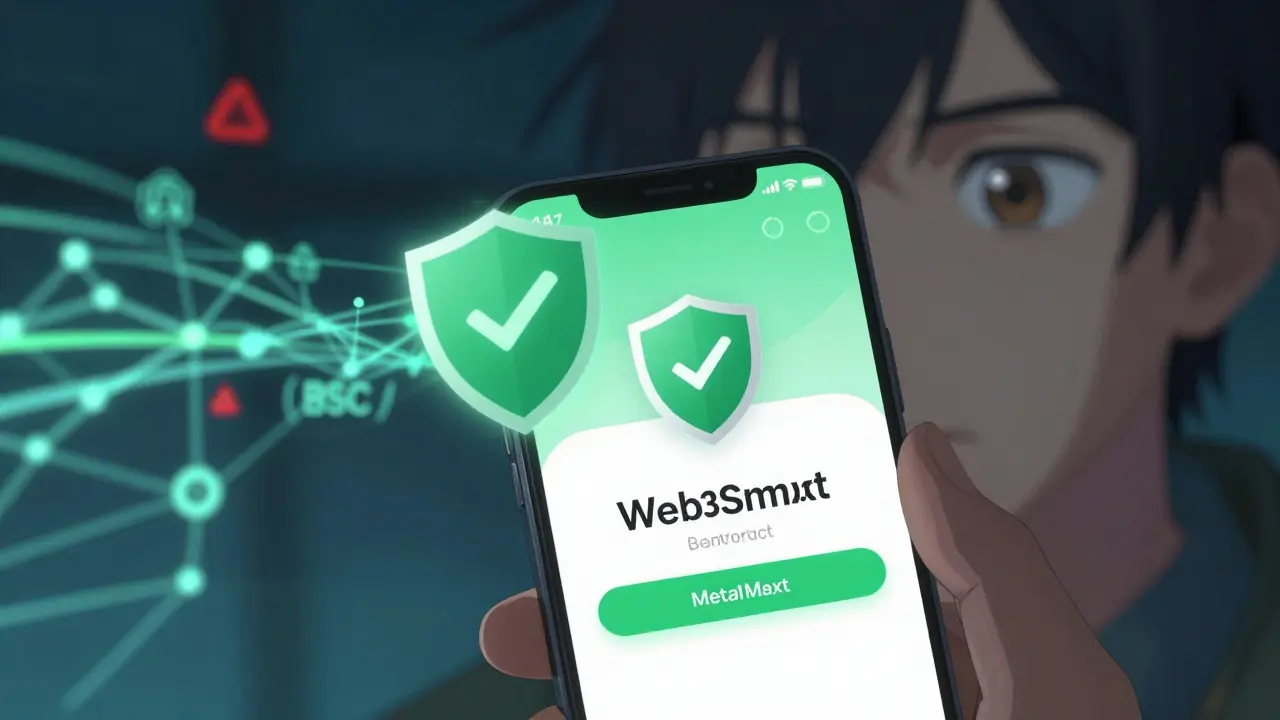
- Link Your Wallet: You will likely need to connect a Web3 wallet like MetaMask or Trust Wallet. Make sure this wallet has enough native currency (like ETH or BNB) to pay for the transaction gas fees when you claim the tokens.
- Complete Tasks: If the campaign involves social tasks, such as joining a Discord server or retweeting a post, do these early. Social integrations can sometimes fail due to API limits, so don’t wait until the last minute.
- Claim Window: Note the exact start and end times. Airdrops often have a strict "snapshot" date. If you aren’t eligible by that second, you won’t get the tokens, no matter how much you beg later.
Keep screenshots of every step. If something goes wrong during the claim process, having proof of your participation is crucial for support tickets.
Safety First: Avoiding Common Airdrop Scams
The world of free crypto is rife with predators. Since the GameFi sector is popular, scammers create fake versions of legitimate protocols to steal funds. Here is how to protect yourself:
- Never Share Your Seed Phrase: No legitimate airdrop will ever ask for your 12 or 24-word recovery phrase. If a site asks for this, close the tab immediately.
- Verify Contract Addresses: Copy the contract address from the official CoinMarketCap page and paste it into a block explorer like BscScan or Etherscan. Check if the contract is verified and looks legitimate. Look at the holder distribution-if one wallet holds 90% of the supply, run away.
- Beware of Phishing Links: Do not click links from unofficial Twitter accounts or random DMs. Always navigate to the event page manually through the main CoinMarketCap dashboard.
- Use a Burner Wallet: Consider using a separate wallet with minimal funds for interacting with new contracts. This limits your exposure if the smart code has vulnerabilities.
Remember, if an offer sounds too good to be true, it almost always is. Legitimate airdrops reward engagement, not greed.
What to Do After You Claim Your Tokens
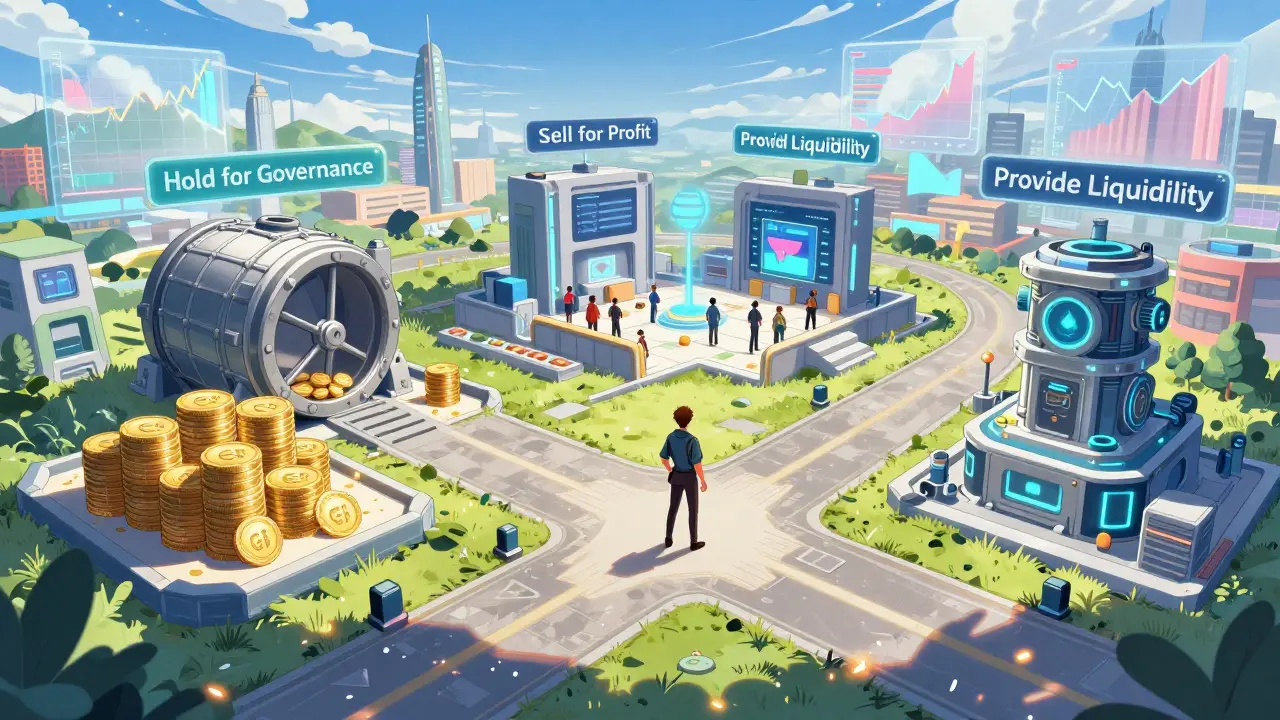
Once you have successfully claimed your GFI tokens, the real decision-making begins. You now hold an asset that may fluctuate wildly in price. Here are three common strategies:
Holding for Governance: If you believe in the long-term vision of the GameFi Protocol, keep the tokens in your wallet. Over time, you may gain voting rights on protocol upgrades or revenue sharing models. This is a passive strategy that requires patience and faith in the team’s roadmap.
Selling for Profit: Airdropped tokens often have a high initial volume as people rush to sell. If you want to lock in gains, consider selling a portion immediately after the liquidity pool opens. This covers any gas fees you paid and provides a risk-free profit on the rest.
Providing Liquidity: Advanced users might provide liquidity on decentralized exchanges (DEXs) like PancakeSwap or Uniswap. This earns you trading fees but exposes you to impermanent loss. Only do this if you understand the risks and plan to hold both the GFI token and its paired asset (like USDT) for the long haul.
Tracking Future Opportunities
One airdrop doesn’t make a portfolio. To stay ahead, you need a system for tracking future drops. Follow the official announcements of major GameFi projects on Twitter and Discord. Join community groups where alpha traders share news. Set up alerts on CoinMarketCap for new listings. The faster you react to new opportunities, the higher your chances of securing valuable allocations.
Is the GameFi Protocol (GFI) airdrop free?
Yes, the airdrop itself is free. However, you will need to pay gas fees to claim the tokens into your wallet. These fees depend on the blockchain network being used and current congestion levels.
Which wallet should I use for the GFI airdrop?
You should use a non-custodial Web3 wallet like MetaMask, Trust Wallet, or SafePal. Ensure the wallet supports the specific blockchain network where the GFI token is launched, such as Binance Smart Chain or Ethereum.
How long does it take to receive the tokens?
Once you initiate the claim transaction, it usually takes between 30 seconds to 5 minutes to confirm on the blockchain. After confirmation, the tokens should appear in your wallet instantly.
Can I participate if I am outside the United States?
Most crypto airdrops are global, but some projects restrict participation from certain jurisdictions due to regulatory reasons. Check the official terms and conditions of the GameFi Protocol airdrop for any geographic restrictions.
What happens if I miss the claim deadline?
If you miss the claim window, you typically forfeit your allocation. The unclaimed tokens are often returned to the project's treasury or burned. There is rarely a grace period, so set reminders well in advance.