

Setting up a crypto mining operation in 2025 isn't just about buying the latest ASICs and hoping for the best. It's a geopolitical chess game. You need cheap power, clear laws, and a climate that won't melt your hardware or your wallet through excessive taxes. The landscape has shifted dramatically since the bans of previous years, with nations now actively competing for hash rate by offering tax breaks and access to green energy.
If you are looking to expand your mining footprint this year, you need to know where the regulatory winds are blowing. Some countries welcome miners as economic partners, while others view them as grid parasites. This guide breaks down the top destinations for crypto mining in 2025, analyzing their legal frameworks, energy costs, and overall business environment.
The Global Leaders in Crypto-Friendly Jurisdictions
When we talk about "mining-friendly," we usually mean three things: low electricity costs, favorable tax treatment, and regulatory clarity. No single country gets all three perfectly right, but several stand out for different reasons.
| Country | Key Advantage | Tax Status on Gains | Regulatory Clarity |
|---|---|---|---|
| United States | Institutional support & risk-adjusted returns | Capped at 20% (long-term) | High |
| Kazakhstan | Low energy prices & tax exemptions | No capital gains tax for individuals | Moderate |
| El Salvador | Bitcoin as legal tender | Zero capital gains tax | High (for BTC) |
| Switzerland | Strong banking & FINMA regulation | Varies by canton (low for businesses) | Very High |
| Iceland | Cheap geothermal energy & cool climate | Corporate tax applies | Moderate |
Why the United States Remains Top Tier
Despite occasional political noise, the United States is the largest Bitcoin mining market globally, driven by institutional investment and mature legal frameworks. According to the Hashrate Index, the US offers the best risk-adjusted returns for large-scale operations. Why? Because you can actually get bank loans, insurance, and professional management here.
States like Texas and New York have become hubs. Texas offers deregulated energy markets where miners can negotiate directly with power plants, sometimes even getting paid to use excess energy during peak production times. The regulatory environment is clearer than most realize; while the SEC watches exchanges closely, mining itself is generally treated as a commodity activity rather than a security issuance. This distinction matters immensely for long-term planning.
Kazakhstan: The Energy Giant with Tax Perks
Kazakhstan is a major player in global crypto mining, accounting for over 6% of total hash rate due to low energy costs and government incentives. The government sees mining as a way to diversify its oil-dependent economy. They’ve rolled out incentives including lower energy tariffs and significant tax breaks.
Here’s the kicker: if you register your crypto business in the Astana International Financial Centre (AIFC), you’re exempt from corporate taxes until 2066. That’s not a typo. For individual miners, personal crypto gains aren’t subject to capital gains tax. The catch? Infrastructure can be inconsistent, and grid stability has been a concern in the past. However, the government is actively investing in renewable sources to stabilize supply, making it an increasingly viable option for mid-sized operations.
El Salvador: The Bold Bitcoin Experiment
El Salvador is the first country to adopt Bitcoin as legal tender, offering zero capital gains tax and unique volcanic-powered mining opportunities. Since adopting Bitcoin as legal tender, El Salvador has positioned itself as the ultimate pro-crypto nation. The tax policy is straightforward: zero capital gains tax on Bitcoin transactions. This makes it incredibly attractive for holders and miners alike.
The country also utilizes volcanic geothermal energy for mining, which is both sustainable and cost-effective. While the scale of operations is smaller compared to the US or China, the regulatory certainty for Bitcoin is unmatched. If your strategy is purely Bitcoin-focused and you want maximum tax efficiency, El Salvador deserves serious consideration.
Switzerland and Liechtenstein: Institutional Havens
For those who prioritize legal certainty and banking access over raw cheap power, Switzerland and Liechtenstein are the gold standards. Switzerland is consistently ranked as the most crypto-friendly nation globally, with FINMA providing clear regulatory guidelines. The Financial Market Supervisory Authority (FINMA) has laid out detailed rules for token classification, giving businesses the clarity they crave.
Liechtenstein takes it a step further with its Blockchain Act (Token and TT Service Provider Act). This law provides comprehensive legal certainty for token-based business models. Banks in both countries are generally receptive to working with blockchain firms, unlike in many other jurisdictions where banks shut down crypto accounts overnight. Yes, electricity is more expensive here, but you’re paying for stability, banking access, and high-quality infrastructure.
Iceland and Norway: Green Energy Powerhouses
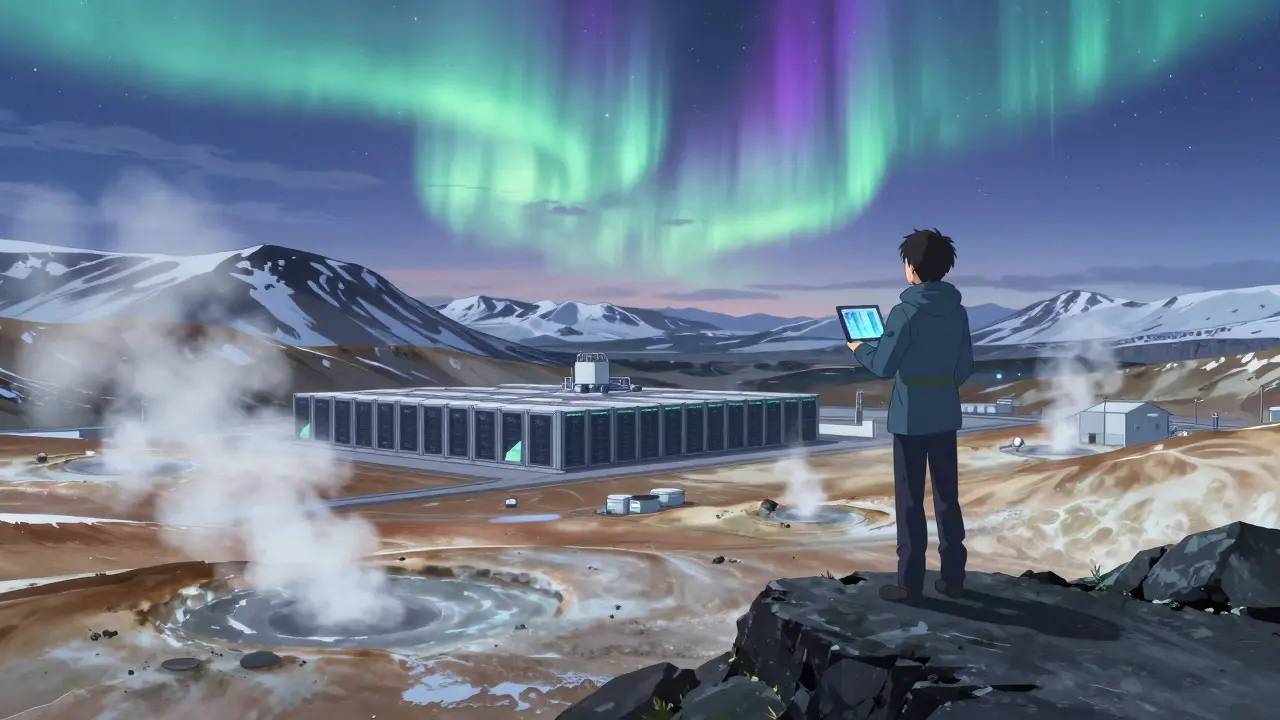
Iceland is an ideal location for eco-friendly mining due to abundant geothermal energy and a naturally cool climate that reduces cooling costs. Iceland’s advantage is twofold: cheap geothermal electricity and a cold climate. Cooling mining rigs is a massive operational expense, but in Iceland, nature does half the work. The air is fresh and cold, meaning less fan wear-and-tear and lower energy bills for HVAC systems.
Norway follows a similar model, particularly in northern regions with surplus hydropower. However, Norway’s regulatory stance is more cautious. There are ongoing debates about the environmental impact of mining versus national energy transition goals. While currently open, operators should monitor policy shifts closely. These countries are perfect for ESG-conscious investors who want to market their Bitcoin as "green."
China: The Underground Elephant in the Room
You can’t talk about mining without mentioning China. Despite an official ban, China remains a significant force in Bitcoin mining through underground operations leveraging cheap hydropower and manufacturing expertise. Provinces like Sichuan still see seasonal mining spikes during rainy seasons when hydropower is abundant and cheap.
But let’s be real: operating in China carries extreme regulatory risk. One day you’re mining, the next day your equipment is confiscated. Unless you have deep local connections and a high tolerance for risk, it’s probably safer to stick to jurisdictions with written laws. The hardware manufacturing edge remains, though, so many miners buy there and mine elsewhere.

Canada and Estonia: Mixed Bags
Canada is a fragmented market for mining, with provinces like Quebec offering cheap hydro power while others impose restrictions. Canada is a tale of two halves. Quebec and British Columbia offer vast surplus hydropower, making them attractive for energy-intensive operations. However, the regulatory landscape is provincial, not federal. Some provinces encourage mining; others have imposed moratoriums or strict caps. You need to do your homework province by province.
Estonia, meanwhile, has built a reputation as a digital-first society. It was one of the first to legalize crypto exchanges and attract blockchain startups. While not necessarily the cheapest for energy, its ease of doing business and digital infrastructure make it appealing for software-heavy mining operations or hybrid models.
How to Choose Your Mining Location
Picking a country isn't just about picking the lowest kWh price. You need a decision framework:
- Energy Cost vs. Stability: Cheap power is useless if the grid goes down every week. Kazakhstan and Iceland offer good balances, but verify local grid reliability reports.
- Tax Structure: Look beyond income tax. Are there VAT implications on equipment imports? Is there a capital gains tax on mined coins? El Salvador and Kazakhstan win here.
- Banking Access: Can you easily move fiat in and out? Switzerland and the US lead here. In some emerging markets, converting profits to USD can be a nightmare.
- Climate: If you’re in a hot country, budget 30-40% more for cooling. In cold climates like Iceland or Canada, this cost drops significantly.
- Regulatory Risk: Will the government change the rules tomorrow? Stick to places with established legal precedents like the US, Switzerland, or Japan.
Future Trends: Sustainability and Regulation
By 2025, sustainability is no longer optional. Investors and regulators are demanding proof that mining doesn’t strain local grids or increase carbon footprints. Countries that pair mining with renewable energy-like Iceland’s geothermal or Norway’s hydro-are winning favor. Expect more jurisdictions to tie mining licenses to green energy usage certificates.
Additionally, the rise of ETFs in places like Hong Kong and Canada means institutional money is flowing into regulated channels. This benefits miners in compliant jurisdictions because institutions prefer to invest in entities with clean legal records. If you’re mining in a gray area, you might miss out on this wave of capital.
Which country has the cheapest electricity for crypto mining in 2025?
Kazakhstan and Iceland typically offer some of the lowest industrial electricity rates globally, often below $0.05 per kWh. However, availability and contract terms vary, so direct negotiation with providers is essential.
Is crypto mining legal in China?
Officially, no. China banned crypto mining operations in 2021. However, underground mining persists in remote areas with access to cheap hydropower, carrying significant regulatory risk.
What are the tax implications of mining in the United States?
In the US, mined cryptocurrency is taxed as ordinary income at the time of receipt based on fair market value. When sold later, capital gains tax applies, capped at 20% for long-term holdings.
Why is Switzerland considered so crypto-friendly?
Switzerland offers clear regulatory guidance from FINMA, strong banking integration, and a stable political environment. While energy costs are higher, the legal certainty attracts institutional players.
Does El Salvador really have zero tax on Bitcoin?
Yes, El Salvador imposes zero capital gains tax on Bitcoin transactions, reflecting its status as legal tender. This makes it highly attractive for holding and trading, though broader corporate taxes may still apply to business operations.




Comments
Guy Davis
July 24, 2026 AT 07:15 AMits all a scam anyway
Heather Austin
July 24, 2026 AT 19:58 PMi think people are overthinking the whole energy situation. sure it uses power but its not like we are running out of electrons. i mean look at iceland they have geothermal and just let it go to waste otherwise so why not mine there? also kazakhstan seems pretty solid if you can handle the grid issues which honestly arent that bad anymore from what ive read. dont forget about the tax breaks in astana too. its really about finding the right balance between cost and stability. most folks just want to make some money without getting audited by the irs every five minutes. so yeah pick a place with clear laws and cheap juice.
Lisa Chong
July 25, 2026 AT 18:12 PMThey want you to believe this is free market choice but it is actually part of the globalist agenda to control your financial freedom through these mining hubs. The elites in switzerland and the us are working together to track every single transaction while pretending to offer clarity. You think el salvador is safe? No they are just testing the waters for total digital surveillance before rolling it out worldwide. The volcanic energy is a lie to distract you from the fact that they are harvesting your data along with the bitcoin. Wake up sheeple. The grid instability in kazakhstan is manufactured to keep you dependent on western banks. Do not trust any government that touches crypto because they all want to enslave you with their central bank digital currencies eventually. This ranking is propaganda designed to lead you into a trap where your assets can be frozen at the push of a button by shadowy figures in basel. Stay paranoid stay free.
Ran Tao
July 27, 2026 AT 08:02 AMOh please 🙄 only amateurs worry about "grid stability" or "tax implications". Real players know that the game is rigged against the little guy no matter where you plug in. Texas is a joke because the weather ruins everything and then they blame the miners for blackouts which is such a classic scapegoat move 😂. Switzerland? Good luck paying those prices unless you are laundering money for some oligarch. And don't get me started on china thinking underground ops are smart when the authorities are literally watching every socket. It is all theater really. The real winners are the ones selling the ASICs and the cooling fans while you guys fight over scraps in iceland. What a circus 🎪.
KEITH WONG
July 29, 2026 AT 06:35 AMlisten up losers. nobody cares about your feelings regarding carbon footprints. if you want to mine do it in texas or just buy the hardware in china and hide it in your basement. the rest is fluff. 🤡
Natalie Lucas
July 30, 2026 AT 02:32 AMyou guys need to stop stressing so much! it is totally doable if you just find the right spot. i heard quebec is super nice for hydro power and the people are friendly too. dont let the drama kings here scare you off. just do your homework and maybe talk to someone who has actually done it instead of reading conspiracy theories. you got this! 💪
Curtis Johnson
July 31, 2026 AT 10:36 AMlook everyone is entitled to their opinion but lets try to keep things civil. lisa makes some interesting points about surveillance even if she is a bit intense. heather is right about the practical aspects though. i think the key is to not put all your eggs in one basket. maybe split operations between a stable jurisdiction like switzerland for the legal side and a cheaper area for the actual hashing. it requires patience and understanding that regulations will change. we are all in this together trying to navigate a new frontier so lets support each other rather than tearing each other down. peace and hashrate to all 🕊️
Steven Briggs
August 2, 2026 AT 07:41 AMi guess it depends on your risk tolerance. i prefer quiet places.
Hamza k
August 2, 2026 AT 18:28 PMThe sheer audacity of claiming switzerland is "friendly" when the banking fees alone will strip you bare is staggering. It is a gilded cage for the wealthy few who understand the nuance of token classification under finma rules. Meanwhile the plebs flock to kazakhstan hoping for a handout from the state. It is a tragic display of economic illiteracy masquerading as strategy. One must appreciate the art of the deal but also recognize when the table is stacked against you. The green energy narrative is merely a veneer to soothe the guilty consciences of institutional investors who would burn the world down for a percentage point increase in yield. Truly pathetic.
Kim Kay
August 3, 2026 AT 02:01 AMi think we should all remember that mining is just one piece of the puzzle. its important to consider how your choices affect local communities too. maybe look into estonia for a more balanced approach. they seem to value digital rights and infrastructure equally. lets try to be mindful of our impact on the planet and each other. hope this helps anyone feeling overwhelmed by the options.
Brad Semp
August 3, 2026 AT 10:04 AMIt is frankly disheartening to observe the level of discourse surrounding such a critical economic sector. The notion that one might simply "pick" a location based on superficial metrics like electricity cost ignores the profound legal and infrastructural complexities inherent in international operations. A sophisticated operator understands that regulatory clarity in jurisdictions such as the United States or Switzerland provides a moat that cheap energy in volatile regions cannot replicate. To suggest otherwise is to invite catastrophic failure. One must prioritize institutional stability and banking access above all else, for without them, one is merely a gambler playing with house money in a casino owned by the state. Let us elevate the conversation beyond mere price comparisons.