
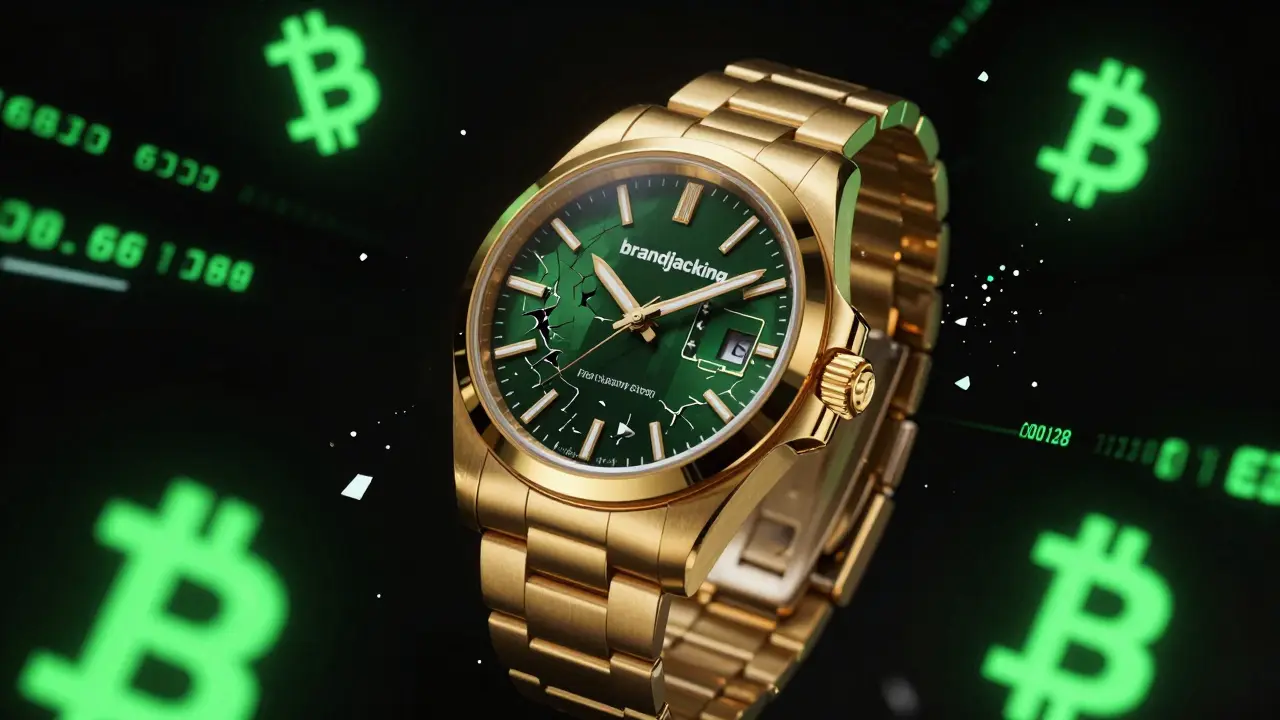
You’ve probably seen it pop up in your feed or heard whispers in a Discord server. It’s called Patek, and it promises to bring the prestige of Swiss luxury watches into the wild west of cryptocurrency. But before you rush to buy in, let’s pause for a second. Is this the next big thing in digital assets, or is it just another flashy meme coin with more style than substance?
As we move through mid-2026, the crypto landscape is cluttered with tokens that look good on paper but fall apart under scrutiny. PATEK is one of those projects. It sits at a confusing intersection of high-end branding and low-tech reality. To understand what PATEK actually is-and whether it’s worth your attention-you need to look past the marketing hype and examine the hard data. The truth is messy, contradictory, and filled with red flags that every investor should know about.
The Core Concept: Luxury Branding Meets Meme Culture
At its heart, Patek (PATEK) is a cryptocurrency meme coin project launched in 2025 that leverages the prestige of Patek Philippe watches for its branding. The idea is simple: take the allure of a brand synonymous with wealth and exclusivity-Patek Philippe, the famous Swiss watchmaker-and slap it onto a digital token. The goal? To attract investors who want a piece of that luxury lifestyle without the six-figure price tag of an actual watch.
However, there is no official partnership between the PATEK token and the actual watch company. This is a critical distinction. In the crypto world, this practice is often referred to as "brandjacking," where projects use the likeness or name of established brands to gain credibility they haven’t earned. As warned by industry analysts in late 2025, these types of projects carry significant legal risks, including potential trademark infringement lawsuits. When you buy PATEK, you aren’t buying into the horology industry; you’re buying into a speculative narrative built entirely on internet culture and aspiration.
The project positions itself within the broader category of Meme Coins, a segment that represented approximately 8.2% of total cryptocurrency market activity in early 2026. Unlike utility tokens that power decentralized applications or governance tokens that give you voting rights, meme coins derive their value almost exclusively from community sentiment and viral momentum. If the hype dies, the price usually follows.
Technical Confusion: Which Blockchain Is It On?
If you’ve tried to research PATEK, you’ve likely hit a wall of conflicting information. One of the biggest issues facing this token is a fundamental lack of clarity regarding its technical infrastructure. Different data providers are telling you completely different stories about where this coin lives.
According to reports from Liquidity Finder in January 2026, PATEK operates on the BNB Smart Chain (also known as BEP20). This blockchain, part of the Binance ecosystem, is popular for meme coins because of its low transaction fees and fast processing times. However, documentation from CoinSwitch, dated February 2026, claims that PATEK is "a Web3 coin built on the fast and scalable Solana blockchain." Solana is another major competitor to Ethereum and BNB, known for its high throughput.
| Attribute | Liquidity Finder (Jan 2026) | CoinSwitch (Feb 2026) |
|---|---|---|
| Blockchain Network | BNB Smart Chain (BEP20) | Solana |
| Total Supply | 100,000,000 | Not Specified |
| Circulating Supply | 0 Tokens | Not Specified |
| Price Reported | $38.51 | N/A |
This discrepancy isn’t just a minor detail; it’s a massive red flag. A legitimate cryptocurrency project has a clear, verifiable contract address on a specific blockchain. If one source says it’s on BNB and another says it’s on Solana, you have to ask: which one is real? Or worse, are there multiple scams using the same name? For a regular user trying to connect their wallet, this confusion can lead to lost funds if they interact with the wrong smart contract.
The Supply Paradox: 100 Million Tokens, Zero in Circulation
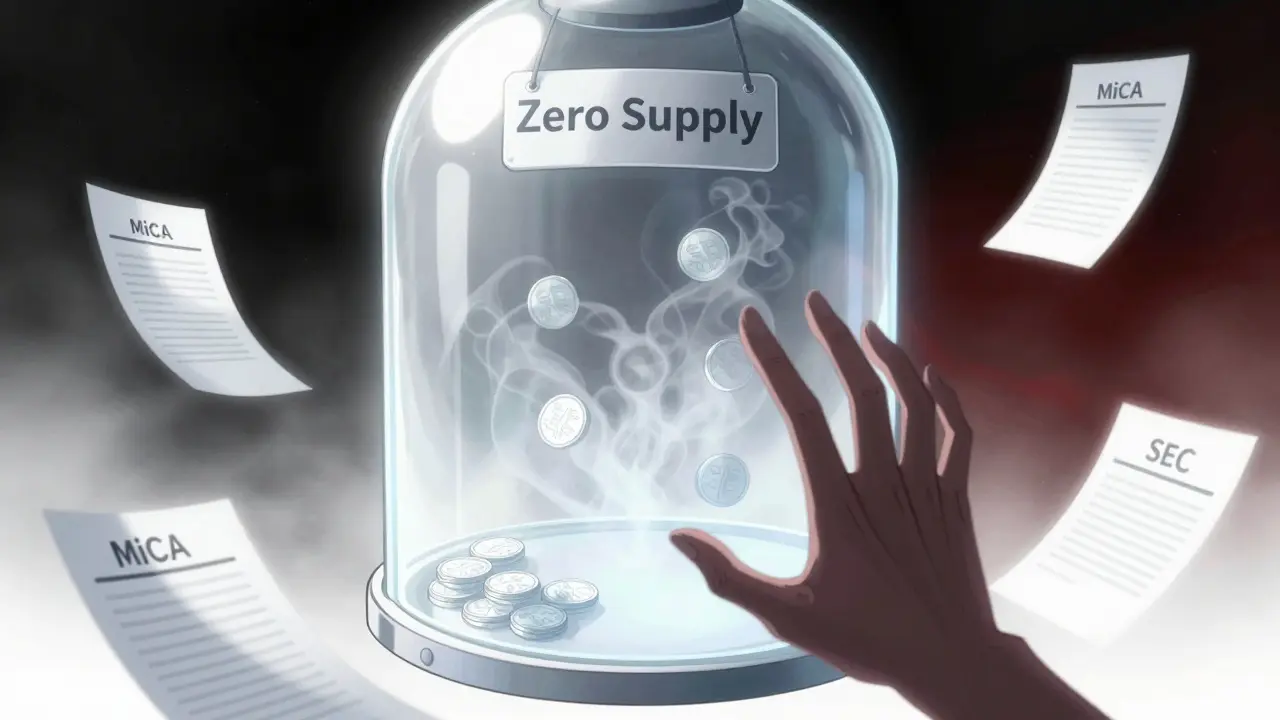
Perhaps the most bizarre aspect of PATEK is its supply metrics. Every major data aggregator, including Binance, Crypto.com, and Liquidity Finder, reported a consistent figure as of mid-January 2026: the total supply is 100,000,000 tokens, but the circulating supply is zero.
In normal economic terms, this makes no sense. How can a token trade if nobody holds it? Yet, trading volume was reported. Binance listed a 24-hour trading volume of $530.68 with a price of $11.59. Liquidity Finder showed a price of $38.50. This creates a mathematical paradox. If the circulating supply is zero, the actual market cap is zero. However, the fully diluted market cap (calculated by multiplying the total supply by the price) would be over $1 billion based on some data points.
This scenario is what experts call a "phantom liquidity" situation. It suggests that the tokens might be locked in a vault, held by the developers, or simply not distributed to the public yet. Alternatively, it could indicate a manipulated market where wash trading (buying and selling to yourself) creates the illusion of activity. The U.S. SEC issued warnings in early 2026 specifically targeting projects with zero circulating supply but reported trading volume, citing them as potential securities violations. Under the European MiCA regulation, which took full effect in January 2026, such opacity would require extensive disclosure that PATEK has not provided.

Market Performance and Volatility
Let’s talk numbers, because that’s what draws people in. Despite its obscure status, PATEK saw some impressive percentage gains in early 2026. CoinCheckUp reported that PATEK increased by 25.99% against the USD, 10.39% against Ethereum, and 11.76% against Bitcoin over a single month. On paper, that looks like a winning investment.
But context matters. PATEK was ranked #5,646 by market position on Binance in January 2026. Compare that to Dogecoin (#10) or Shiba Inu (#40). Being ranked outside the top 5,000 means you are dealing with a micro-cap asset with extremely low liquidity. The $530 daily trading volume mentioned earlier is tiny. For perspective, CoinGecko uses a $10,000 threshold to flag potentially manipulated trading data. PATEK is well below that line.
High volatility is standard for meme coins, but PATEK takes it to an extreme. Prices swung from a low of $5.27 to an all-time high of $11.64 within a short window. With so few actual buyers and sellers, a single large trade can spike the price dramatically, only for it to crash just as quickly. This environment is ripe for "rug pulls," where developers abandon the project and drain the remaining liquidity, leaving holders with worthless tokens.
Regulatory Risks and Legal Exposure
The regulatory environment for crypto tightened significantly in 2026. The Markets in Crypto-Assets (MiCA) regulation in Europe demanded higher standards for transparency and consumer protection. Projects like PATEK, which lack a clear team, a whitepaper, or a functional product, struggle to meet these requirements.
Furthermore, the use of the "Patek" name invites legal trouble. Patek Philippe SA is a fiercely protective brand. While they haven’t filed a lawsuit against every meme coin, the risk is inherent. If the watch company decides to enforce its trademarks, the PATEK token could face delisting from exchanges and legal injunctions that freeze assets. Investors in such projects bear the brunt of this risk. There is no insurance policy for a meme coin that gets shut down due to trademark infringement.
How to Verify Legitimacy: A Checklist
If you are still considering exploring PATEK, you need to do your own due diligence. Here is how you can check the health of any obscure crypto project:
- Check the Contract Address: Never buy a token based on its name alone. Find the verified contract address on a block explorer like BscScan (for BNB) or Solscan (for Solana). Look for the number of holders. If there are very few unique addresses, it’s likely controlled by insiders.
- Analyze Liquidity: Use tools like DexScreener or Dextools. Check if the liquidity pool is locked. If the liquidity isn’t locked, the developers can pull it out at any time, crashing the price to zero.
- Review Social Sentiment: Look for active communities on Telegram or Twitter. Are people discussing technology and roadmap, or just posting "moon" emojis and asking when they will get rich? Lack of genuine discussion is a bad sign.
- Verify Team Identity: Legitimate projects usually have doxxed (publicly identified) teams or at least reputable anonymous founders with a track record. PATEK lacks transparent development activity, which CoinFund noted in January 2026 correlates with a 92.7% failure rate within six months.
Conclusion: Proceed with Extreme Caution
Patek (PATEK) presents a classic case of high-risk speculation masquerading as a luxury investment. The contradictions in its technical foundation, the paradox of zero circulating supply, and the absence of major exchange listings paint a picture of a project that is either abandoned or deliberately misleading. While the allure of quick profits in the meme coin sector is strong, PATEK lacks the fundamentals required for sustainable growth. For most investors, the risks far outweigh the potential rewards. Stick to established assets with transparent data, and treat tokens like PATEK as entertainment expenses rather than investments.
Is Patek (PATEK) a legitimate cryptocurrency?
While PATEK exists as a tradable token, it exhibits many signs of a high-risk or potentially fraudulent project. These include conflicting blockchain data, zero circulating supply despite reported trading, and no official partnership with the Patek Philippe watch brand. Major exchanges like Binance do not list it, signaling caution.
Which blockchain does PATEK run on?
There is significant confusion regarding PATEK's blockchain. Some sources claim it is on the BNB Smart Chain (BEP20), while others state it is on Solana. This inconsistency is a major red flag, as legitimate projects have a single, verifiable network presence.
Why is the circulating supply of PATEK zero?
A zero circulating supply typically indicates that tokens have not been distributed to the public, are locked by developers, or that the data is manipulated. This creates a "phantom liquidity" scenario where trading appears to happen, but the underlying asset distribution is unclear or non-existent.
Is PATEK associated with Patek Philippe watches?
No. There is no official partnership between the PATEK crypto token and Patek Philippe SA. The token uses the brand's name for marketing purposes, a practice known as brandjacking, which carries legal risks and offers no actual connection to the luxury watch manufacturer.
Can I buy PATEK on Binance?
No. Binance explicitly lists PATEK as "Not Listed." Any claims that you can buy it directly on Binance are false. Trading may occur on smaller, decentralized exchanges or unverified platforms, which increases the risk of scams.
What is the current price of PATEK?
Price data for PATEK is highly inconsistent and unreliable. Reports vary from $11.59 to $38.50 depending on the source. Due to low liquidity and potential data manipulation, these prices should not be trusted as accurate indicators of value.




Comments
Robert Hundley
July 2, 2026 AT 20:35 PMMan, this article is a breath of fresh air in the swamp that is crypto right now. :D We really need more people calling out these brandjacking scams instead of just chasing green candles.
Emma Rémond
July 3, 2026 AT 01:33 AMThe sheer intellectual bankruptcy on display here is staggering. To suggest that one should simply "check the contract address" implies a level of technical literacy that the average retail investor simply does not possess. It is a naive, almost childish approach to risk management. The market corrects for stupidity, and PATEK is merely a symptom of the broader systemic failure of unregulated digital asset ecosystems. One must understand the underlying tokenomics and liquidity depth before even considering such trivialities as "branding."
Carl Belgrave
July 3, 2026 AT 17:06 PMThis is exactly why I say we need stricter regulations from the US government. These foreign entities and shady projects are bleeding our economy dry. If they can't prove where their money comes from and what their product actually is, they shouldn't be operating in our markets. Protect American investors first!
Melissa L
July 4, 2026 AT 05:09 AMi dont get it... if its zero supply how do people buy it? sounds sus lol
Sajjad Ghorbani Moghaddam
July 4, 2026 AT 08:16 AMHey Melissa, that's a great question! When the circulating supply is zero but there's trading volume, it usually means the tokens are locked up by the creators or held in a private wallet. Sometimes bots trade with themselves to make it look like there's activity when there isn't any real public ownership yet. It's basically a ghost town with fake lights on.
Carl Hanzel
July 4, 2026 AT 11:11 AMYou people are all missing the point. The price went up 25%. Who cares about the blockchain? Who cares about the supply? Profit is profit. You elitists hate fun because you can't handle losing money. I made my bag early and I'm sitting pretty while you write essays.
nancy jarecki
July 5, 2026 AT 11:18 AMYour cognitive dissonance is palpable. To equate short-term speculative gains with sustainable value creation is the hallmark of a gambler, not an investor. The fact that you ignore the fundamental lack of utility and the legal exposure regarding trademark infringement demonstrates a profound ignorance of financial principles. You are not "sitting pretty"; you are holding a liability that will inevitably collapse under the weight of its own absurdity. The market is efficient, and your delusion is temporary.
Daniel J. Cox
July 7, 2026 AT 05:22 AMHaha, Carl, you're wild! 😂 But seriously, Nancy has a point. I've seen too many coins like this vanish overnight. It's better to be safe than sorry, right? 🤷♂️
ELNORA JEFFERSON
July 8, 2026 AT 08:00 AMI tried to find the link to buy it and every site looked like a scam. Ugh. Why is everything so complicated nowadays? I just want to invest without reading a novel about blockchain protocols. This whole industry is exhausting.
Trent Erman1
July 9, 2026 AT 21:38 PMDon't give up, ElNora! It is totally normal to feel overwhelmed. The best thing you can do is stick to the big names like Bitcoin or Ethereum until you feel more comfortable. There is no rush. Take your time and learn at your own pace. You got this! 💪
Rob Morton
July 10, 2026 AT 21:38 PMIt makes me wonder what drives us to attach value to symbols rather than substance. Is the desire for luxury truly satisfied by a digital token, or is it just a reflection of our societal obsession with status? Perhaps we are looking for a shortcut to validation that doesn't exist.
Routh Middaugh
July 11, 2026 AT 23:36 PMI think we should all just try to stay calm and informed. It's easy to get swept up in the hype, but taking a step back helps. Let's keep the discussion respectful and helpful for everyone involved. Peace out. ;)
Fiona Ellis
July 12, 2026 AT 22:49 PMI must admit, I was tempted by the aesthetic alone. The branding is undeniably sleek. However, upon closer inspection of the whitepaper-or lack thereof-it becomes clear that this is a hollow shell. 📉
Carol @minaszilda
July 13, 2026 AT 07:33 AMFiona, beauty is indeed in the eye of the beholder. But in finance, substance matters most. Stay grounded and trust your instincts. You have good taste, don't let flashy marketing fool you.
John Curry
July 14, 2026 AT 23:37 PMOh, the tragedy of it all! A coin named after a legacy of centuries, reduced to a meme in days. It is a poignant reminder of how quickly culture can be commodified and discarded. We watch, we learn, and we move on, hearts heavy with the knowledge of what could have been.