
Web3 explained: What it really is and how it changes crypto, finance, and ownership
When people talk about Web3, the next generation of the internet built on blockchain technology where users own their data and assets. Also known as decentralized web, it’s not about faster apps—it’s about who controls them. Unlike Web2, where companies like Facebook or Google own your profile, posts, and even your attention, Web3 puts that power back in your hands using crypto wallets, tokens, and open networks.
At its core, Web3 relies on three things: blockchain, a public, tamper-proof ledger that records transactions without needing a central authority, smart contracts, self-executing code that runs automatically when conditions are met, and decentralized finance, financial services like lending, trading, and saving that work without banks. These aren’t theoretical ideas—they’re already running on networks like Ethereum, Base Chain, and Aptos. You see them in action when someone stakes crypto to earn interest, trades tokens on a decentralized exchange like AnimeSwap or ZYX Swap, or locks liquidity to stop rug pulls.
Web3 isn’t just for traders. It’s changing how fans interact with teams through tokens like YMS, how governments track crypto flows under rules like the Travel Rule, and even how countries like India and South Korea tax digital assets. It’s why Germany shut down 47 Russian exchanges—to enforce real-world laws on a borderless system. It’s why Chinese banks block crypto withdrawals and why Iranian traders risk using VPNs just to access exchanges. Web3 makes ownership personal, but that also means you’re responsible for your keys, your funds, and your mistakes.
What you’ll find below isn’t theory. It’s real-world examples: meme coins built on hype, exchanges that promise zero fees, airdrops that don’t exist, and tax laws that hit hard. These aren’t random posts—they’re snapshots of Web3 as it actually works: messy, unpredictable, and full of opportunity for those who understand the rules.
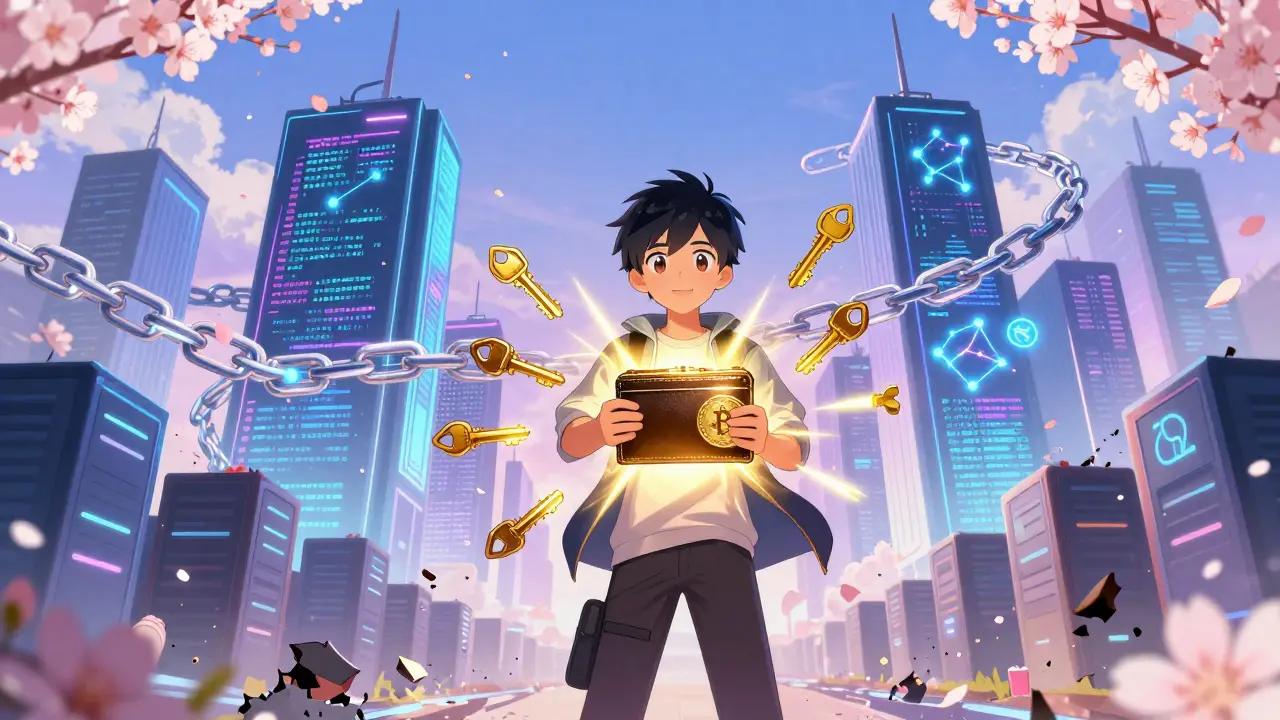
What Is Web3 and How It Works: A Clear Breakdown of the Decentralized Internet
Web3 is a decentralized internet where users own their data and digital assets through blockchain, smart contracts, and crypto wallets. Unlike Web 2.0, it removes middlemen and gives control back to individuals - with real apps already in use.