
You’ve seen the buzz. Social media feeds are flooded with claims about the Leonicorn Swap Mega New Year Event Airdrop. Promises of free LEOS tokens are everywhere. But here is the hard truth: there is almost no verifiable information about this specific event from reputable sources. In the world of decentralized finance, silence from official channels is often louder than hype. If you are looking to claim these tokens, you need to proceed with extreme caution. This isn’t just about missing out on potential gains; it’s about protecting your digital assets from sophisticated scams that mimic legitimate projects.
The Reality Check: What Do We Actually Know?
Let’s look at the facts. As of May 2026, there is no substantial, credible documentation regarding a "Mega New Year" airdrop by Leonicorn Swap. Major cryptocurrency news outlets, blockchain explorers, and community forums do not show significant traction for this specific event. When a project claims to be distributing millions in value, you expect to see whitepapers, smart contract audits, and clear communication from verified team members. The absence of these elements is a major red flag.
This doesn’t necessarily mean Leonicorn Swap doesn’t exist. It might be a very new or obscure project. However, without transparent data, participating is a gamble. You are trading your time and potentially your capital for an unknown outcome. Always assume that if you cannot find the source, the risk outweighs the reward.
How Crypto Airdrops Actually Work
To understand why this situation feels off, let’s break down how legitimate airdrops function. A standard cryptocurrency airdrop is a marketing strategy where a project distributes free tokens to wallet addresses to build a user base. Legitimate projects usually require simple tasks: joining a Discord server, following Twitter, or holding a specific NFT. They never ask for your private keys or seed phrases.
Here is what a safe airdrop process looks like:
- Official Announcement: The project posts on their verified social media accounts.
- Smart Contract Interaction: You connect your wallet (like MetaMask or Trust Wallet) to their official website.
- Gas Fees Only: You pay network fees for transactions, but you never send funds to the project.
- Transparent Distribution: The distribution logic is visible on-chain.
If the Leonicorn Swap event asks you to do anything outside this framework-especially sending tokens first to "unlock" rewards-it is likely a scam.
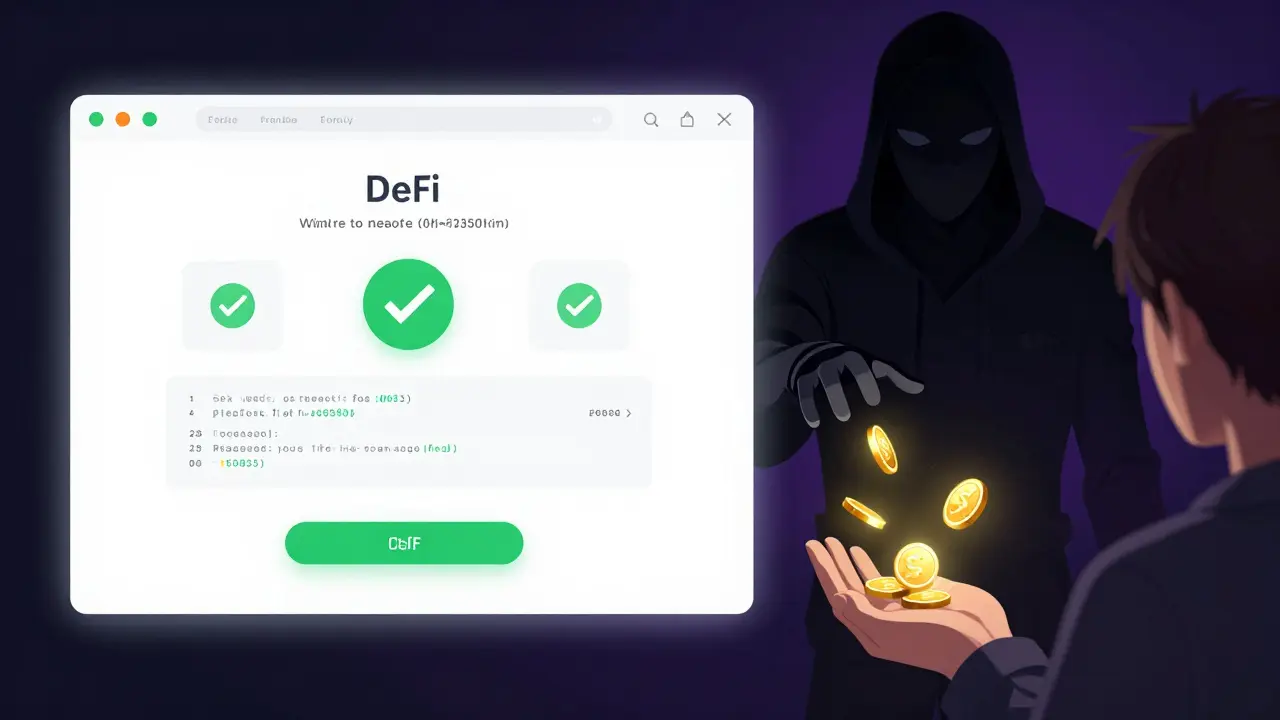
Identifying Red Flags in the Leonicorn Swap Claim
Since we lack official details, we must rely on pattern recognition. Scammers often clone legitimate-sounding names or create fake landing pages. Here are the specific red flags to watch for regarding this LEOS token claim:
- No Official Website: Can you find a .com or .io domain linked to their verified socials? If you only have links from Telegram groups or anonymous Twitter accounts, stop.
- Pressure Tactics: Phrases like "Last chance," "Claim now before it’s gone," or "Limited supply" are classic psychological triggers used by scammers to make you act without thinking.
- Unverified Contracts: If you are asked to interact with a contract address, check it on Etherscan a blockchain explorer for Ethereum-based networks or the relevant chain explorer. Is the contract verified? Does it have any audit reports?
- Too Good to Be True: Are they promising thousands of dollars worth of LEOS for a few clicks? Legitimate airdrops rarely offer life-changing sums for minimal effort.
Safety First: Protecting Your Wallet
Your primary goal should be asset preservation. Never compromise your security for a speculative gain. Use a burner wallet-a separate wallet with minimal funds-for any unverified interactions. This way, if something goes wrong, your main holdings remain untouched.
Additionally, enable two-factor authentication on all your exchange and email accounts. Keep your hardware wallet offline unless you are absolutely certain about a transaction. Remember, once crypto is sent, it is gone forever. There is no customer service to reverse a fraudulent transfer.
| Feature | Legitimate Project | Potential Scam |
|---|---|---|
| Source | Verified official channels | Anonymous DMs, random comments |
| Cost | Only gas fees | Requires sending tokens/cryptocurrency |
| Urgency | Clear deadlines, calm tone | High pressure, fear of missing out |
| Transparency | Audited contracts, known team | Hidden code, anonymous developers |
What Should You Do Now?
If you are determined to investigate further, take these steps. First, search for "Leonicorn Swap official website" and cross-reference the URL with their verified social media profiles. Second, join their community channels but read the pinned messages carefully. Look for warnings from other users. Third, use tools like Revoke.cash a tool to manage wallet permissions to ensure you haven’t accidentally granted access to malicious contracts in the past.
Don’t fall for the FOMO. The market will always have another opportunity. Protecting your capital today means you can participate in safer, more transparent opportunities tomorrow.
Is the Leonicorn Swap LEOS airdrop real?
As of May 2026, there is no verifiable evidence from reputable sources confirming a "Mega New Year" airdrop by Leonicorn Swap. Treat any claims as highly suspicious until official confirmation is provided through verified channels.
How can I verify if an airdrop is legitimate?
Check for official announcements on verified social media, look for smart contract audits, and ensure the project does not ask for private keys or upfront payments. Cross-reference URLs with trusted sources.
What is a burner wallet?
A burner wallet is a secondary cryptocurrency wallet used for high-risk activities. It contains minimal funds, so if it is compromised, your main assets remain safe.
Can I get my money back if I send tokens to a scammer?
No. Cryptocurrency transactions are irreversible. Once you send tokens to a scam address, they are gone forever. Always double-check addresses before confirming any transaction.
Why do scammers use names like Leonicorn Swap?
Scammers often use names that sound professional or similar to existing projects to create a false sense of legitimacy. This tactic exploits trust and confusion among users seeking new opportunities.