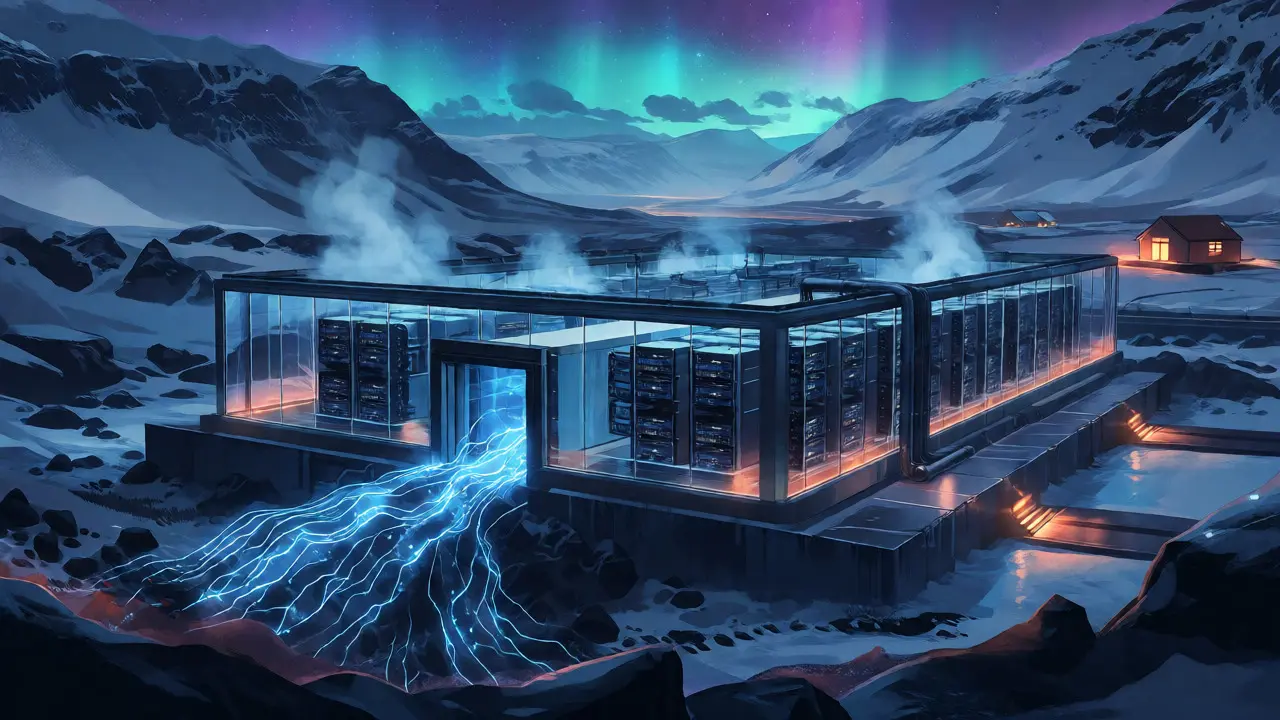
Imagine paying less for electricity than it costs to boil a kettle, then watching that same power get sucked up by humming servers instead of heating your home. That’s the tension at the heart of Iceland crypto mining. For years, the island nation was a paradise for miners, thanks to cheap geothermal energy and cool Arctic air. But as demand spiked, the national power company, Landsvirkjun, started tightening its grip. If you’re looking to understand why restrictions are happening and what they mean for the future of digital assets in the North Atlantic, you need to look beyond the headlines and into the grid itself.
The Energy Paradox: Why Iceland Became a Mining Hub
To grasp the restrictions, you first have to understand the abundance. Iceland generates nearly 100% of its electricity from renewable sources-mostly hydroelectric and geothermal power. This created a unique economic environment where surplus energy could be sold at rock-bottom prices. By 2017, cryptocurrency processing accounted for roughly 90% of all data center power consumption in the country. It wasn’t just a niche hobby; it was an industrial-scale phenomenon. Miners flocked here because cooling costs dropped significantly. In warmer climates, keeping ASICs (Application-Specific Integrated Circuits) from overheating requires massive amounts of water or electricity for fans. In Iceland, you can often just open a window. This natural advantage allowed companies like Genesis Mining and Bitfury Holding to set up shop with minimal overhead. However, this success sowed the seeds of its own restriction. The very resource that attracted miners began to strain the local infrastructure.
Landsvirkjun’s Role in Regulating Power Supply
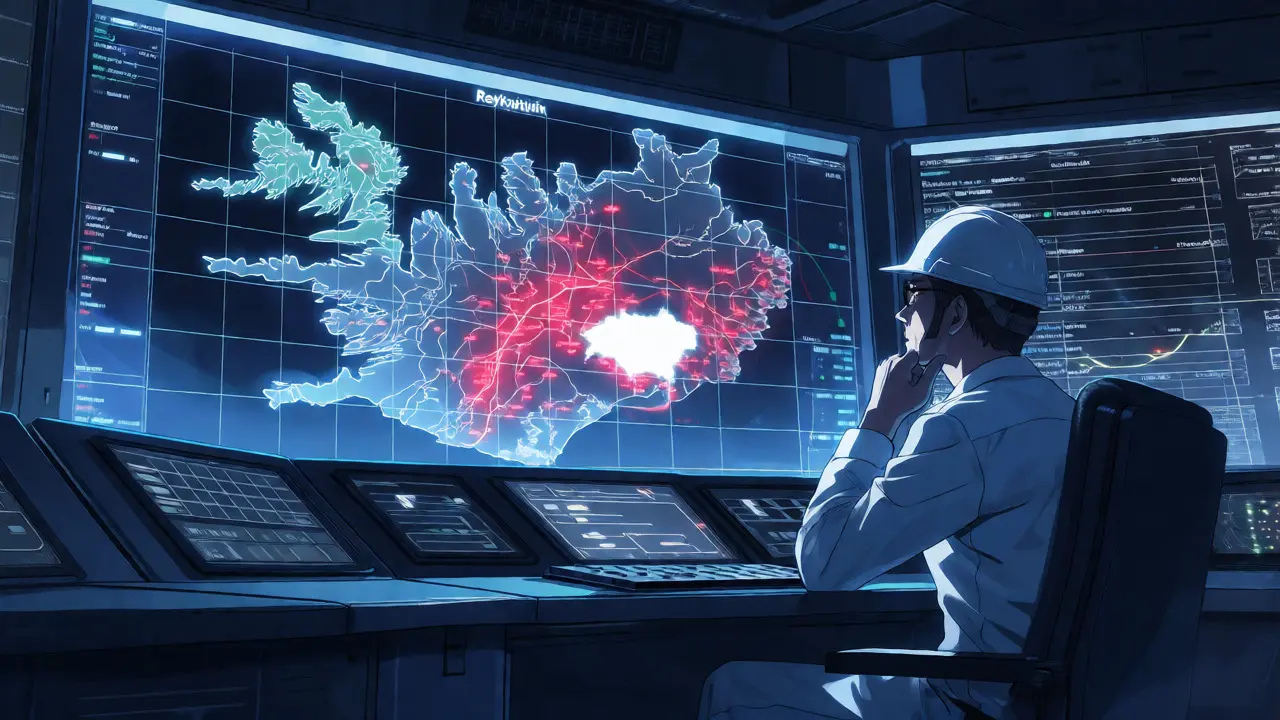
Landsvirkjun is not just any utility provider; it is Iceland’s largest producer of electricity and the primary supplier to large industrial customers, including data centers. Unlike residential providers, Landsvirkjun operates on long-term contracts with major consumers. When crypto mining exploded in popularity, these contracts became critical tools for regulation. The “restrictions” aren’t always outright bans. Instead, they manifest through contract terms, priority allocations, and price adjustments. Landsvirkjun has historically prioritized traditional industries like aluminum smelting, which employ thousands of locals and provide stable tax revenue. Crypto mines, often viewed as transient or speculative, found themselves lower on the priority list during peak demand periods. If the grid gets stressed, the lights stay on in Reykjavik, but the hash rate in a remote valley might dip.
Government Intervention and Policy Shifts
While Landsvirkjun manages the physical flow of electrons, the Icelandic government sets the rules. In March 2024, the Prime Minister publicly expressed a desire to reduce the footprint of cryptocurrency mining. This was a significant pivot. Previously, Iceland had been one of the most welcoming jurisdictions for blockchain businesses. The shift came as officials realized that mining operations were consuming more energy than the entire Icelandic population. This isn’t about banning technology; it’s about resource management. The government introduced stricter environmental impact assessments for new mining facilities. They also tightened anti-money laundering (AML) requirements through the Financial Supervisory Authority. These moves signal that while crypto remains legal for trading and investment, the era of unchecked industrial expansion is over.
Economic Impact vs. Environmental Concerns
Critics argue that restricting mining hurts foreign investment. Companies like Hive Blockchain Technologies brought millions in capital and jobs to rural areas. Supporters of restrictions counter that the environmental cost outweighs the economic benefit. Even though the energy is renewable, the infrastructure required to deliver it-transmission lines, substations-has a physical footprint. There’s also the issue of opportunity cost. Could that cheap power be better used for green hydrogen production or other emerging technologies? The debate is active and heated. Locals are generally split; some see the mines as modern-day factories providing steady income, while others worry about the strain on the national grid and the lack of direct benefits to their communities.
| Factor | Impact on Miners | Utility/Government Stance |
|---|---|---|
| Energy Availability | High initial appeal due to low costs ($0.03-$0.05/kWh) | Strained by industrial demand; prioritization of residents |
| Cooling Efficiency | Natural air cooling reduces operational expenses | Minimal negative impact; seen as efficient use of climate |
| Regulatory Environment | Strict AML/KYC compliance required | Increasing scrutiny via Financial Supervisory Authority |
| Grid Stability | Risk of load shedding during peak winter months | Landsvirkjun enforces strict load management protocols |

What Happens Next? The Future of Digital Assets in Iceland
So, is the party over for crypto in Iceland? Not necessarily. The focus is shifting from pure mining to broader blockchain development. The Central Bank of Iceland has been exploring a Central Bank Digital Currency (CBDC), viewing it as a potential alternative to traditional payment systems. This suggests a move toward institutional adoption rather than raw computational power export. For existing miners, the landscape is becoming more competitive. Those who secured long-term fixed-rate contracts with Landsvirkjun before the recent policy shifts are in a strong position. New entrants face higher hurdles, both financially and bureaucratically. You’ll likely see consolidation among smaller players, with only the most efficient operations surviving under the new constraints.
Practical Takeaways for Investors and Miners
If you’re considering entering the Icelandic market or investing in companies operating there, keep these points in mind:
- Check Contract Terms: Verify if the miner has a secured long-term power agreement with Landsvirkjun. Spot pricing is volatile.
- Monitor Regulatory News: Follow statements from the Icelandic Ministry of Finance regarding energy allocation priorities.
- Diversify Geographically: Don’t bet everything on one jurisdiction. Iceland’s charm is fading slightly as other regions offer similar renewable advantages with fewer bureaucratic frictions.
- Understand Grid Limits: During winter peaks, non-essential loads may be curtailed. Factor this downtime into your ROI calculations.
Is Bitcoin mining illegal in Iceland?
No, Bitcoin mining is not illegal. However, it is heavily regulated. Operations must comply with strict environmental standards and financial regulations overseen by the Financial Supervisory Authority. The main challenge is securing reliable, affordable power access through national utility agreements.
Who controls the power supply for crypto miners in Iceland?
Landsvirkjun, the state-owned electricity generator and transmission operator, is the primary supplier for large-scale industrial users, including crypto mining farms. They manage supply based on national grid stability and contractual obligations.
Why did Iceland restrict crypto mining recently?
The restrictions stem from concerns over excessive energy consumption. At peak times, mining operations consumed more electricity than the entire residential sector. The government and utility providers prioritized grid stability and essential services, leading to tighter controls on new industrial connections.
Are renewable energy sources still attractive for mining in Iceland?
Yes, but the ease of access has decreased. While the energy is still renewable (geothermal and hydro), the competition for this resource has driven up costs and made securing long-term contracts more difficult for new entrants compared to established players.
How do taxes affect crypto mining in Iceland?
Mining profits are subject to corporate income tax. Additionally, miners pay VAT on equipment imports and services. The regulatory framework requires transparent accounting to prevent money laundering, adding administrative costs to operations.