
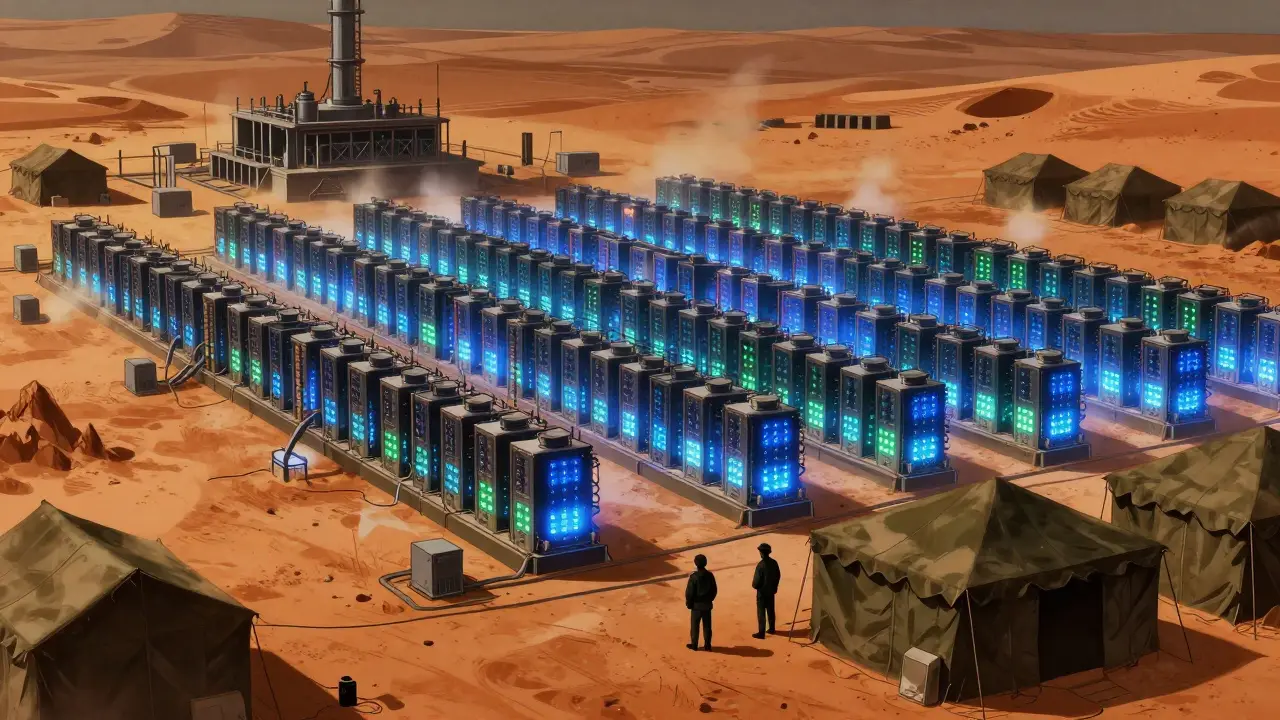
Imagine a country cut off from the global banking system, unable to move dollars or euros through traditional channels. Now imagine that same country turning its massive surplus of cheap electricity into one of the world’s most powerful sources of digital currency. This isn’t science fiction; it is the reality of Iran's Bitcoin mining, which serves as a sophisticated state-level strategy to circumvent international sanctions by monetizing abundant energy resources without relying on Western financial intermediaries. Since the United States withdrew from the Joint Comprehensive Plan of Action (JCPOA) in 2018, Tehran has transformed what began as an opportunistic experiment into a core pillar of its economic survival.
The Shift From Ban to State-Sponsored Mining
In the early days of cryptocurrency, Iran’s approach mirrored China’s strict regulatory stance. The government legalized the act of mining but banned the use of cryptocurrencies for payments within the country. However, the landscape shifted dramatically around 2020. Facing crippling sanctions that choked off oil revenues and blocked access to foreign exchange, Iranian authorities realized that Bitcoin could serve as a backdoor to the global economy.
The Central Bank of Iran changed its policy, legalizing crypto payments for imports and establishing a comprehensive licensing system for mining operations. By 2022, the regime issued licenses for more than 10,000 mining farms and permitted approximately 90 cryptocurrency exchanges to operate domestically. This wasn't just about allowing private citizens to mine; it was about building a parallel financial ecosystem. The goal was clear: create a decentralized mechanism to generate hard currency reserves while bypassing the SWIFT banking network entirely.
The Role of the IRGC and Subsidized Energy
At the heart of this operation lies the Islamic Revolutionary Guard Corps (IRGC). Under direct orders from Supreme Leader Ali Khamenei, the IRGC viewed Bitcoin generation as essential compensation for lost access to US dollar transactions. Between 2019 and 2020, the military branch accelerated its entry into the sector, establishing large-scale industrial mining facilities often located on military bases or within zones controlled by powerful religious foundations like Astan Quds Razavi.
The competitive advantage here is stark. Iranian miners benefit from rock-bottom electricity tariffs, effectively accessing free energy through political connections and state subsidies. For context, the electricity consumed by these miners requires the equivalent of approximately 10 million barrels of crude oil annually to generate-roughly 4% of Iran's total oil exports in 2020. A prominent example is a 175-megawatt Bitcoin farm in Rafsanjan, Kerman province, established as a joint venture between IRGC-linked enterprises and Chinese investors. These operations utilize primarily Chinese-manufactured ASIC miners, leveraging natural gas reserves to produce power at costs substantially below global market rates.
| Jurisdiction | Primary Motivation | Electricity Cost Advantage | Global Hash Rate Share |
|---|---|---|---|
| Iran | Sanctions Evasion | Near-zero due to state subsidies | ~4.5% |
| United States | Commercial Profit | Moderate ($0.03-0.08/kWh) | ~35% |
| Kazakhstan | Energy Export Surplus | Low cost fossil fuels | ~18% |
| Russia | Sovereign Reserve & Evasion | Low cost hydro/nuclear | ~11% |

Monetization and the "Dark Fleet" Parallel
Mining Bitcoin is only half the battle; moving the value out of the country is the other. By 2024, $4.18 billion worth of cryptocurrencies had flowed out of Iran, marking a 70% increase from the previous year. This flow demonstrates the strategy's expanding effectiveness. Iranian firms, including entities affiliated with the IRGC, processed billions in transactions through major exchanges like Binance since 2018.
A significant milestone occurred in August when Iran placed its first official import order using cryptocurrency, totaling $10 million. This marked a shift from speculative holding to practical trade settlement. The strategy extends beyond simple mining to include sophisticated international partnerships. Iran signed bilateral cryptocurrency cooperation agreements with Russia in November 2018 and conducted negotiations with eight additional countries, including Austria, France, Germany, and South Africa, for crypto-based financial transactions.
This digital infrastructure runs parallel to Iran’s physical "dark fleet" of over 320 tankers used to smuggle oil. Together, they form an adaptive sanctions-evasion network designed to move billions in assets while obscuring their origin through shell companies in the UAE, Hong Kong, and Beijing.
Domestic Costs and Grid Strain
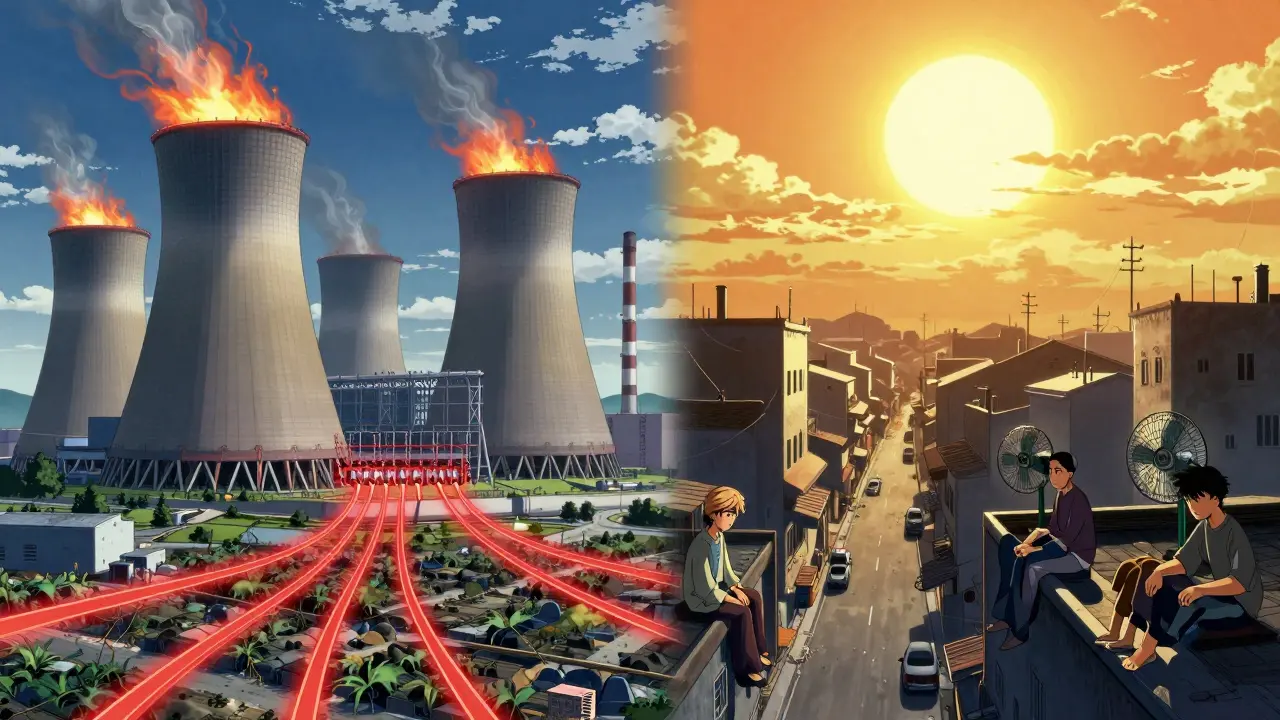
While the state benefits from foreign currency inflows, the domestic impact is severe. Energy sector analysts warn that Iran's Bitcoin mining operations exacerbate the country's ongoing power grid crisis. Mining facilities consume electricity that could otherwise serve civilian and industrial users, contributing to nationwide blackouts and infrastructure strain. During summer heatwaves, the government has periodically ordered mining shutdowns to prevent total grid collapse, highlighting the tension between geopolitical strategy and basic public utility needs.
User experiences among Iranian citizens are mixed. Some praise increased access to Bitcoin services and the ability to save wealth against inflation. Others criticize the impact on electricity supply and internet stability. Human rights organizations note that while mining revenues benefit regime entities, ordinary Iranians continue facing economic hardships, underscoring the disconnect between state-level sanctions evasion and citizen welfare.
International Enforcement and Future Outlook
Blockchain analytics firms like Elliptic, Chainalysis, and TRM Labs have flagged the systemic risks posed by Iran’s 4.5% share of global hash rate. Their research indicates that any Bitcoin transaction carries a corresponding probability of involving Iranian miners in the fee payment process. In June 2025, FinCEN issued an advisory documenting how Iran-linked flows increasingly move through TRON-based stablecoin systems and offshore refineries.
Despite enforcement efforts, the strategy shows resilience. Recent developments in 2025 include new mining facilities in Bushehr and Khuzestan provinces, leveraging surplus electricity from natural gas plants. Government officials have announced plans to increase mining capacity by 50% over the next two years. While technological trends favor more energy-efficient algorithms and renewable integration, Iran’s vast natural gas reserves provide a sustainable competitive advantage for the foreseeable future. Unless diplomatic relations normalize significantly, expect Iran to continue refining this digital lifeline as a cornerstone of its economic defense.
Is Bitcoin mining legal in Iran?
Yes, Bitcoin mining is legal and heavily regulated in Iran. The government issues licenses for mining operations and encourages them as a way to generate foreign currency. However, using cryptocurrency for domestic payments was initially banned before recent shifts allowed limited use for imports.
How does Iran evade sanctions using Bitcoin?
Iran uses subsidized electricity to mine Bitcoin at near-zero cost. It then converts these coins into fiat currency or uses them directly to pay for imports via international exchanges and shell companies, bypassing the traditional SWIFT banking system and US-controlled financial networks.
What role does the IRGC play in Iranian crypto mining?
The Islamic Revolutionary Guard Corps (IRGC) controls many of the largest mining farms, often located on military bases. They leverage state-subsidized energy and political protection to operate massive facilities, effectively creating a "crypto cartel" that generates revenue for the regime.
Does Iranian mining affect the local power grid?
Yes, significantly. Mining operations consume vast amounts of electricity, leading to shortages for civilians and industries. During peak demand periods, such as summer heatwaves, the government has forced temporary shutdowns of mining farms to stabilize the national grid.
Can international banks track Iranian Bitcoin transactions?
How effective is blockchain analytics in stopping Iran's crypto flows?
Firms like Elliptic and Chainalysis can trace a significant portion of flows, identifying wallets linked to Iranian entities. However, Iran uses complex methods like mixing services, offshore exchanges, and stablecoins to obscure origins, making complete enforcement difficult despite growing scrutiny from agencies like FinCEN.