Ever felt like your crypto portfolio is scattered across five different chains and three separate apps? You’re not alone. Most of us are tired of bridging assets just to earn a few extra basis points or hunting for rare NFTs across fragmented marketplaces. DeSpace Protocol is a next-generation DeFi and NFT aggregator designed to unify these fragmented experiences into a single interface. But beyond the tech stack, there’s a specific campaign buzzing in the community: the DES Space Drop.
If you’ve been hearing whispers about this airdrop but can’t find a straight answer on how it works, you’re in the right place. The DES token is the native utility asset powering the ecosystem, and the Space Drop is essentially their way of distributing early access rewards to active users. Since official documentation can sometimes be buried under layers of whitepapers, we’ve broken down what we know about the mechanics, eligibility, and the broader context of why this matters for your wallet.
What Exactly Is the DES Space Drop?
Think of the Space Drop as a retroactive reward system for early adopters of the DeSpace ecosystem. Unlike generic "sign up and tweet" airdrops that flood your inbox with spam tokens, this campaign is tied directly to on-chain activity within the protocol. It targets users who have engaged with DeSwap, DeLending, or the NFT marketplace features prior to a specific snapshot date.
The core idea here is alignment. DeSpace wants holders who actually use the platform, not just speculators waiting to dump at listing. By rewarding interaction, they aim to create a more stable circulating supply. While exact allocation numbers per user vary based on volume and duration of engagement, the general rule of thumb in similar DeFi aggregators suggests that higher liquidity provision or trading volume correlates with larger allocations.
Inside the DeSpace Ecosystem: Why It Matters
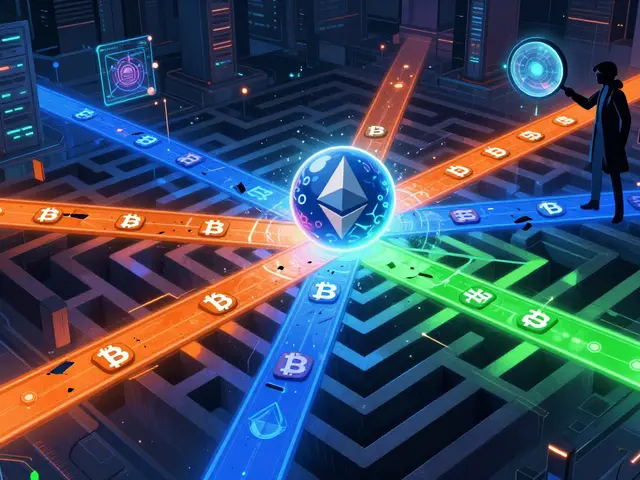
To understand the value of the DES token, you need to look at what it governs. DeSpace isn’t just another DEX; it’s an aggregator. This means it pulls liquidity from multiple sources to give you the best price, reducing slippage and gas fees.
- DeSwap: This is their cross-chain AMM (Automated Market Maker). It supports limit orders-a feature often missing in basic swaps-which lets you set a target price rather than accepting whatever the current rate is.
- DeLending: Modeled after the MakerDAO framework, this allows you to borrow stablecoins against frozen collateral. It’s crucial for yield farmers who want to leverage positions without selling their underlying assets.
- DeChain: This component handles the multi-chain compatibility, allowing assets to move seamlessly between Ethereum, BSC, and other supported networks without complex manual bridging.
The NFT marketplace adds another layer. Holders can stake NFTs to earn DES, effectively turning idle digital art into productive assets. This integration is where the "aggregator" label earns its keep-you aren’t just swapping tokens; you’re managing a diversified portfolio of financial instruments in one dashboard.

Eligibility Criteria: Did You Qualify?
Since specific snapshot dates can shift during beta phases, eligibility usually hinges on three main activities. If you did any of these before the cutoff, you likely made the list:
- Liquidity Provision: Depositing funds into DeSwap pools. The longer your funds were locked, the better your score.
- Trading Volume: Executing swaps via the DeSwap interface. High-frequency traders often see significant boosts here.
- NFT Interaction: Buying, selling, or staking NFTs through the integrated marketplace. Even small interactions count if they demonstrate genuine usage.
Note that Sybil attacks-where one person creates dozens of wallets to farm rewards-are typically filtered out. DeSpace uses on-chain heuristics to identify distinct users, so don’t panic if you didn’t get a massive allocation despite using multiple wallets. Quality of interaction beats quantity of addresses every time.
How to Claim Your DES Tokens
Claiming is straightforward, but security should be your top priority. Scammers love new airdrops because people rush to claim and click suspicious links. Here’s the safe path:
| Step | Action | Security Check |
|---|---|---|
| 1 | Connect Wallet | Ensure URL matches official DeSpace domain exactly. |
| 2 | Verify Eligibility | Check dashboard for "Claimable" status. |
| 3 | Execute Claim | Approve transaction only if gas fee is reasonable. |
| 4 | Stake or Trade | Decide immediately to avoid impulse selling. |
Always double-check the contract address of the DES token once claimed. Verify it against reputable block explorers like Etherscan or BscScan. Never send tokens to a "claim" address; claiming happens via smart contract interaction, not transfer.
Risks and Considerations
No airdrop is free money without risk. First, tax implications. In many jurisdictions, including New Zealand where I’m writing from, airdrops may be considered taxable income upon receipt or disposal. Keep records of the fair market value at the time of claiming.
Second, volatility. New tokens often experience high price swings post-listing. The DES token will likely face initial sell pressure from recipients looking to cash out. If you believe in the long-term vision of a unified DeFi/NFT hub, holding might make sense. If you’re purely speculative, consider taking profits on the first pump.
Finally, verify the source. Because detailed public data on the specific "Space Drop" campaign was scarce in early reports, always rely on official channels like the DeSpace Discord or Twitter/X account for final confirmation of dates and amounts. Rumors spread fast in crypto; facts come slower.
Frequently Asked Questions
When does the DES Space Drop airdrop end?
The eligibility period typically ends at a specific blockchain snapshot date announced by DeSpace Protocol. However, the claim window usually remains open for several weeks or months after the snapshot. Always check the official project announcements for the exact deadline to avoid forfeiting your tokens.
Do I need to pay gas fees to claim my DES tokens?
Yes, most on-chain claims require a network transaction, which incurs gas fees. These fees depend on the chain congestion (e.g., Ethereum vs. BSC) and current network demand. Ensure your wallet has enough native currency (ETH, BNB, etc.) to cover the cost before attempting to claim.
What can I do with DES tokens after claiming them?
You can hold them as an investment, trade them on exchanges once listed, or use them within the DeSpace ecosystem. Common utilities include paying for reduced trading fees, participating in governance votes, or staking them in liquidity pools to earn additional yield.
Is DeSpace Protocol safe to use?
While DeSpace employs standard DeFi security measures, all protocols carry inherent risks such as smart contract bugs or economic exploits. Look for recent audits conducted by reputable firms like CertiK or Hacken. Always start with small amounts when testing a new platform.
Why didn’t I receive any DES tokens?
You may not have met the minimum activity threshold required during the snapshot period. Alternatively, your wallet might have been flagged as inactive or part of a sybil cluster. Check the official eligibility checker tool provided by DeSpace to confirm your status.