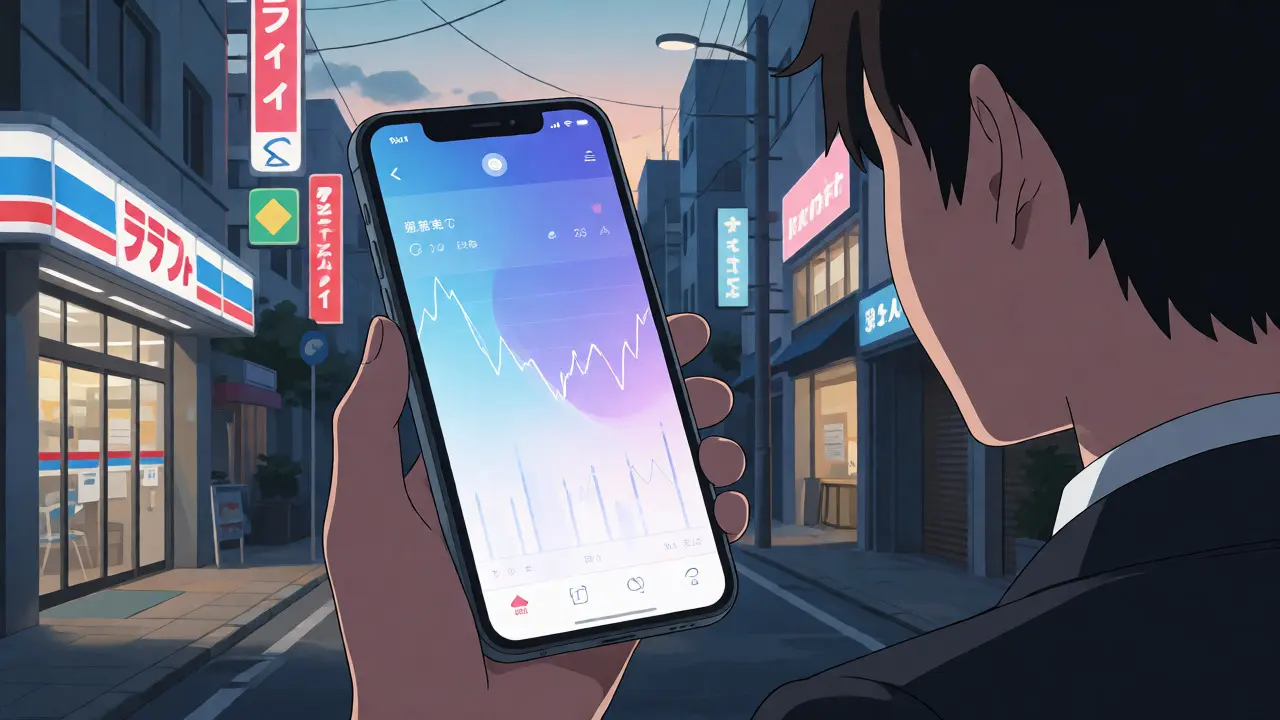
Imagine trying to buy Bitcoin with a credit card, but the interface is entirely in Japanese, customer support only speaks Japanese, and you have to drive to a convenience store to deposit cash. Sounds like a nightmare for most people? For millions of users in Tokyo, it’s just Tuesday. Coincheck is one of Japan's biggest cryptocurrency exchanges, but whether it deserves your attention depends entirely on where you live and what you need from a trading platform.
If you are a resident of Japan, Coincheck is likely already on your radar as a safe, regulated entry point into digital assets. If you are an international trader looking for high leverage, hundreds of altcoins, or English-speaking support, this review might save you from a frustrating experience. We’ll break down exactly who this platform serves, how its security has evolved since the infamous 2018 hack, and why its low user ratings don’t tell the whole story.
What Exactly Is Coincheck?
Coincheck is a licensed virtual currency exchange headquartered in Tokyo, Japan, that primarily facilitates spot trading between cryptocurrencies and the Japanese Yen (JPY). Founded in 2014, it operates under the strict regulatory framework of Japan’s Financial Services Agency (FSA). This isn't some fly-by-night offshore platform; it’s a major player backed by Monex Group, a financial giant that acquired Coincheck in 2018 following a significant security incident.
As of late 2025, Coincheck listed on NASDAQ, signaling its maturity and stability. However, its design philosophy is distinctly different from global giants like Binance or Kraken. While those platforms compete on feature depth-offering futures, margin trading, and complex order types-Coincheck competes on simplicity and local integration. It targets first-time investors in Japan who want to buy Bitcoin with their bank account or pay at a Konbini (convenience store) without worrying about technical jargon.
Security: From Disaster to Fortified Vault
You can’t talk about Coincheck without addressing the elephant in the room: the January 2018 hack. Approximately $530 million worth of NEM tokens were stolen due to poor cold storage practices. It was a catastrophic failure that nearly bankrupted the company. But here is the twist: Coincheck survived. They compensated all affected users out of pocket, which built a strange kind of loyalty among domestic users.
Today, the security infrastructure looks vastly different. Following the breach, the FSA tightened regulations across Japan, forcing all exchanges to adopt rigorous standards. Coincheck now employs:
- Multi-signature Cold Storage: The vast majority of user funds are kept offline, requiring multiple keys to move assets.
- Two-Factor Authentication (2FA): Mandatory for all logins and withdrawals.
- SSL Client Certificates: An extra layer of encryption for web access.
- Automatic Log-out: Sessions terminate after periods of inactivity to prevent unauthorized access on shared devices.
While no system is perfect, the post-2018 overhaul means Coincheck is now considered one of the safer options within the Japanese regulatory perimeter. For a Japanese resident, the risk profile is comparable to using a traditional bank app.
Fees, Deposits, and Withdrawals
Costs are often the deciding factor for traders. Coincheck’s fee structure is straightforward but lacks the competitive edge of global exchanges for active traders. There are no maker/taker fee tiers because there is no advanced order book matching engine for retail users in the same way Binance operates. Instead, you get a spread-based model embedded in the price.
| Service | Fee/Cost | Notes |
|---|---|---|
| JPY Deposit (Bank Transfer) | Free | Instant for many major Japanese banks. |
| JPY Deposit (Konbini) | Free | Unique to Japan; pay cash at stores like 7-Eleven. |
| Crypto Withdrawal | Variable Network Fee | No platform markup, just blockchain network costs. |
| Trading Spread | ~0.5% - 1.5% | Higher than global competitors; hidden in buy/sell price. |
| Staking Rewards | 30% Platform Fee | User receives 70% of generated rewards. |
The lack of explicit trading fees makes it easy for beginners to understand, but if you compare the actual cost of buying 1 BTC against a platform like Kraken or Coinbase Advanced, you’ll find Coincheck is more expensive. You are paying a premium for the convenience of JPY integration and regulatory safety.
User Experience and Interface
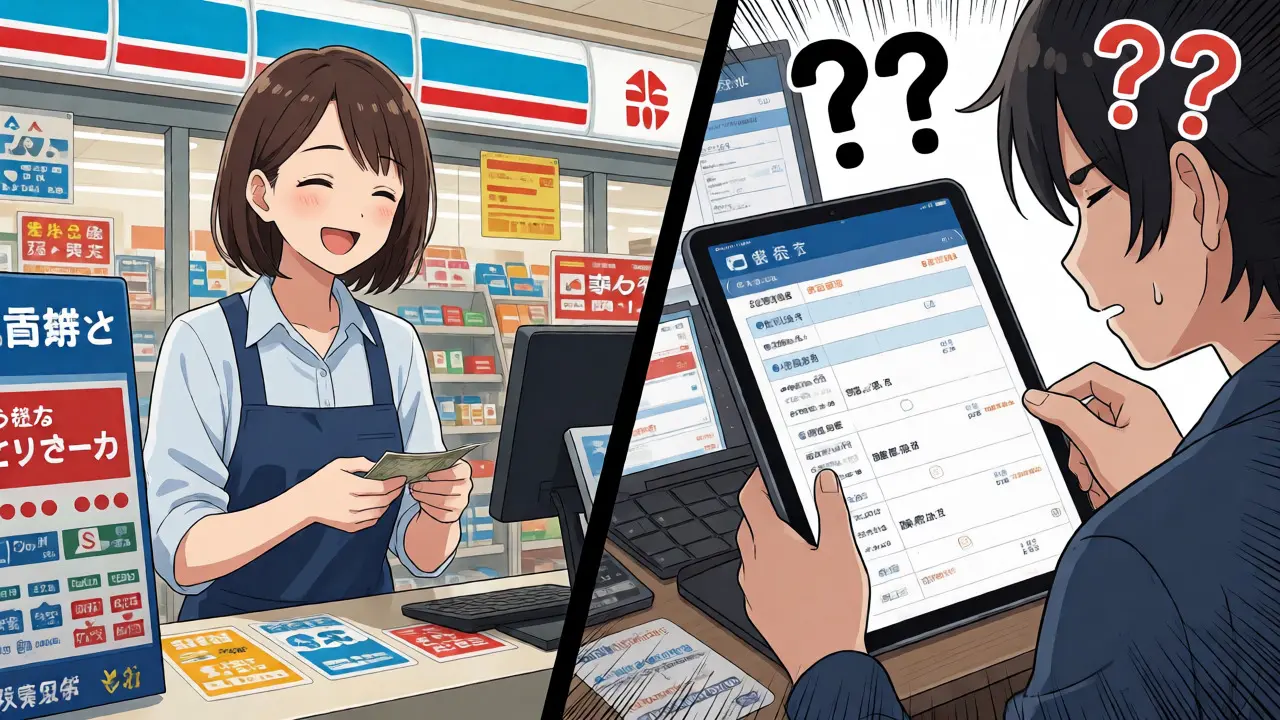
This is where the divide between domestic and international users becomes sharpest. The Coincheck mobile app is polished, fast, and features biometric login (FaceID/Fingerprint). For a user in Osaka checking their portfolio on the train, it’s seamless. The interface uses clear icons and minimal text, reducing cognitive load.
However, the web platform and documentation remain heavily Japanese-centric. While there are language toggles for English, Chinese, and Indonesian, they are often incomplete. Key terms in settings, error messages, and legal disclaimers may still appear in Kanji or Katakana. For an English-only speaker, navigating the KYC (Know Your Customer) process can be confusing. You will need to upload a photo of your residence card or driver’s license and take a selfie holding it. Without Japanese language skills, you might struggle if the verification fails and requires manual review via email.
Customer support is another pain point for non-Japanese speakers. There is no live chat. Support is handled via email tickets, and response times can vary. Reviews on Trustpilot frequently cite delays of several days for resolution, which is risky when dealing with time-sensitive market movements.
Coincheck vs. Global Competitors
How does Coincheck stack up against the big names? Let’s look at the practical differences.
| Feature | Coincheck | Binance | bitFlyer |
|---|---|---|---|
| Regulatory Status | FSA Licensed (Japan) | Varies by Region | FSA Licensed (Japan) |
| Cryptocurrencies Available | ~30 | 350+ | ~20 |
| Fiat Currencies | JPY, USD | USD, EUR, GBP, etc. | JPY, USD, AUD |
| Advanced Trading Tools | Minimal (Spot Only) | Extensive (Futures, Margin) | Moderate (Lightning FX) |
| English Support | Limited | Excellent | Good |
| Best For | Japanese Beginners | Global Active Traders | Japanese Institutional/Retail |
Notice the pattern? Coincheck doesn’t try to beat Binance on coin selection or Kraken on charting tools. It beats them on trust and local banking integration in Japan. If you are outside Japan, these advantages vanish, leaving you with a limited asset list and higher fees.
Who Should Use Coincheck?
To give you a clear verdict, let’s segment the audience.
You should use Coincheck if:
- You reside in Japan and hold a valid residence status.
- You prefer paying via convenience store cash deposits rather than linking international bank accounts.
- You are a beginner investor who wants a simple "buy and hold" experience without worrying about liquidation prices or leverage.
- You value regulatory compliance above all else and want to keep your crypto within the Japanese legal framework.
You should avoid Coincheck if:
- You do not speak Japanese and cannot navigate a partially localized interface.
- You want to trade obscure altcoins or new DeFi tokens immediately upon listing.
- You require margin trading, futures, or staking with lower fees.
- You expect instant customer support via live chat in English.
Final Verdict: A Local Hero, Not a Global Giant
Coincheck is a resilient platform that has successfully rebuilt its reputation through strict adherence to Japanese law. Its NASDAQ listing and backing by Monex Group provide financial stability that many smaller exchanges lack. For the average person in Tokyo wanting to dip their toes into Bitcoin, it is arguably the safest and easiest path.
But for the rest of the world, Coincheck feels like visiting a country where everyone speaks a language you don’t understand. The barriers to entry-language, limited fiat options, and basic tooling-are too high to justify the slightly better regulatory comfort compared to other global leaders. Unless you are physically located in Japan, stick to exchanges that cater to your native language and trading style.
Is Coincheck safe for international users?
Technically, yes, the platform is secure and regulated. However, "safe" also implies ease of use. International users face significant hurdles due to language barriers and limited customer support in English. While your funds are protected by Japanese regulation, the operational friction can lead to errors or delays that feel unsafe to inexperienced users.
Can I withdraw crypto from Coincheck to my personal wallet?
Yes, you can withdraw cryptocurrencies to external wallets. Coincheck charges the standard network transaction fee for each withdrawal. There are no additional platform fees for sending crypto out, making it relatively cheap to move assets off-exchange once purchased.
Does Coincheck offer staking rewards?
Yes, Coincheck offers staking services for select assets like Ethereum. As of 2026, they distribute 70% of the staking rewards to users, retaining 30% as a service fee. This is a convenient option for passive income, though the fee structure is higher than some dedicated staking platforms.
Why is the Trustpilot rating so low for Coincheck?
The low rating (around 1.8/5) is largely driven by international users complaining about language barriers and slow support responses. Domestic Japanese users generally rate the service much higher due to its convenience and reliability. The aggregate score reflects the frustration of non-native speakers rather than systemic failure for its primary target audience.
What happens if I lose my password or 2FA device?
Recovery can be difficult. Because Coincheck enforces strict KYC and security protocols, resetting access often requires submitting identification documents again and waiting for manual review. There is no self-service recovery for lost 2FA devices, so keeping your backup codes in a secure physical location is critical.