

Entering the world of new cryptocurrencies often feels like a gamble, and AIA Chain is a prime example of a project that promises high-tech innovation while struggling with market reality. If you've seen the AIA ticker on an exchange and wondered if it's the next big thing in AI and payments, you're not alone. However, the gap between what a project claims and how it actually performs in the wild is where most investors get tripped up.
At its core, AIA Chain is a public blockchain designed for financial payments that integrates AI technology and maintains compatibility with the Ethereum Virtual Machine (EVM). In plain English, this means it wants to be a faster, cheaper version of Ethereum specifically tailored for moving money, while still allowing developers to use the same tools they already know. But does the tech actually hold up under pressure?
The Technical Side: EVM and AI Integration
For those who aren't developers, the most important term to know here is EVM (Ethereum Virtual Machine). Since AIA Chain is EVM-compatible, it means any app or smart contract built for Ethereum can theoretically be moved over to AIA Chain without needing a total rewrite. This is a common strategy for new chains to attract developers quickly by lowering the barrier to entry.
The project also claims to merge artificial intelligence with payment processing. While the goal is to optimize transaction speeds and lower costs, the actual "how" is a bit blurry. Most established AI-crypto projects provide detailed whitepapers on their neural network integration or data processing layers. AIA Chain, by comparison, keeps its specific technical architecture under wraps, leaving the AI component feeling more like a marketing buzzword than a concrete feature.
The Red Flags: Tokenomics and Supply Issues
When you look at the numbers, things get weird. The project has a total maximum supply of 13.19 billion tokens. In a healthy ecosystem, you'd expect a significant portion of those tokens to be circulating-meaning they are available for people to buy, sell, and use for gas fees. However, data from late 2025 showed a circulating supply of virtually zero.
Why does this matter? If tokens aren't circulating, the market price isn't based on actual supply and demand; it's based on speculation and tiny amounts of liquidity. It suggests the project is either in a very early stage of distribution or is struggling to get its token economy off the ground. For a regular person, this is a massive warning sign. It's hard to trust the "value" of a coin when the developers haven't even released the supply into the wild.
Market Performance and the "Ticker Trap"
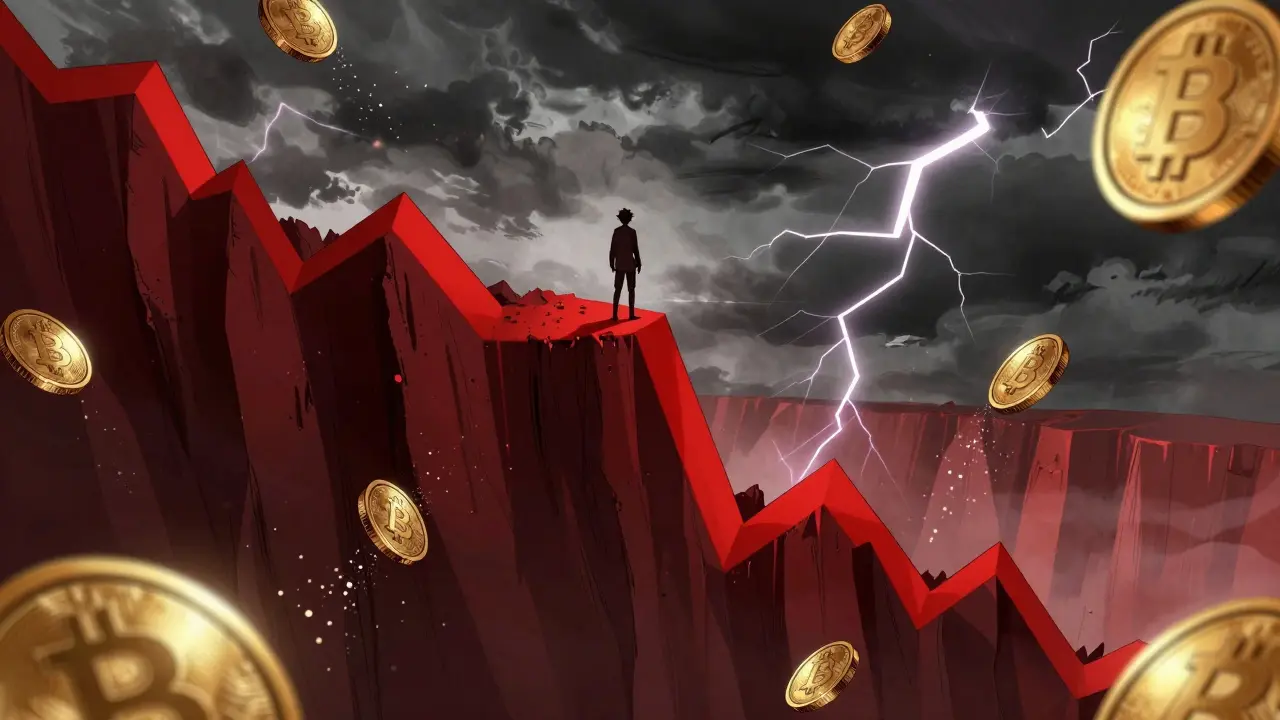
If you're checking the charts, you'll see that AIA crypto coin has been a rollercoaster. It hit an all-time high of $0.036275 but crashed down to around $0.000777. That's a swing of over 4,500%, which is typical for low-cap coins but deadly for cautious investors. With daily trading volumes often dipping below $10,000, it's incredibly easy for a single large trade (a "whale") to send the price skyrocketing or crashing in seconds.
There is also a confusing branding problem. Many people confuse AIA Chain with DeAgentAI, another project that also uses the AIA ticker. In the crypto world, ticker confusion is a nightmare. If you think you're buying a project with a huge community and AI agents, but you're actually buying a low-liquidity payment chain, you've made a critical mistake based on a three-letter label.
| Feature | AIA Chain | Polygon (MATIC) | Binance Smart Chain (BSC) |
|---|---|---|---|
| EVM Compatibility | Yes | Yes | Yes |
| Liquidity | Very Low | Very High | Very High |
| Market Adoption | Minimal | Widespread | Massive |
| AI Focus | Primary Claim | Secondary/Ecosystem | Secondary/Ecosystem |
Developer Experience and Ecosystem Growth
A blockchain is only as good as the things built on top of it. If no one is building apps, the coin has no utility. Currently, AIA Chain lacks a robust developer ecosystem. While the EVM compatibility makes the *possibility* of migration easy, the lack of technical documentation, API guides, and a vibrant community forum makes it a lonely place for developers.
Compare this to a network like Solana or Ethereum, where thousands of developers collaborate daily. AIA Chain's community presence is mostly limited to a few hundred users on listing sites like Binance, which is a far cry from the thousands of active members usually found in successful projects. Without a "developer flywheel"-where apps attract users, and users attract more developers-the network risks becoming a ghost chain.

Is AIA Chain a Good Investment?
Looking at the data, the outlook is pretty grim for the short term. Technical indicators like the 14-day RSI (Relative Strength Index) have hovered around 36, which usually means a coin is "oversold." In a bull market, this is a buying signal. But in a project with low liquidity and no clear roadmap, "oversold" often just means the price is continuing to slide.
Most analysts see a bearish trend. When the 50-day and 200-day moving averages are both above the current price, it's a classic sign of a downtrend. Unless the team releases a massive update, fixes the supply issue, and clears up the ticker confusion with DeAgentAI, the coin is likely to remain a high-risk, low-reward asset.
The Verdict for Regular Users
If you're a professional trader who loves high-volatility gambling, the massive price swings might look attractive. But for the average person looking for a solid project to hold, AIA Chain has too many question marks. The combination of zero circulating supply, minimal trading volume, and a lack of a clear technical roadmap makes it a dangerous bet.
Before putting money into any project like this, ask yourself: Is there a real product being used? Is there a community of developers actually coding? If the only thing you find is a basic website and a volatile chart, you're not investing in tech-you're betting on a lottery ticket.
What exactly is AIA Chain?
AIA Chain is a public blockchain designed to optimize financial payments. It is EVM-compatible, meaning it can run smart contracts designed for Ethereum, and it claims to integrate AI to improve network efficiency and speed.
Why is the circulating supply of AIA tokens so low?
Data indicates that the circulating supply has been near zero, which suggests the tokens may still be locked in development phases or haven't been distributed to the public yet. This is a major risk factor as it creates artificial price volatility.
Is AIA Chain the same as DeAgentAI?
No, they are different projects, but they share the same ticker symbol (AIA). This has caused significant confusion among investors, so it's crucial to double-check the contract address before buying.
Can I run Ethereum apps on AIA Chain?
Theoretically, yes, because it is EVM-compatible. However, due to the lack of liquidity and limited developer tools, actually deploying and maintaining an app on this network is currently very difficult.
What is the price prediction for AIA?
Most technical analysts maintain a bearish outlook due to low trading volume and a declining price trend. Many predict continued price drops unless there is a significant fundamental shift in the project's development.




Comments
Felix Eduardo Velasquez
May 2, 2026 AT 03:16 AMThe reliance on EVM compatibility is a double-edged sword. While it lowers the barrier for developers, it often leads to a 'copy-paste' ecosystem where no actual innovation occurs. The real issue here isn't the lack of tools, but the lack of a unique value proposition that justifies a separate chain in the first place.
Emily A
May 2, 2026 AT 13:17 PMIt is absolutely absurd that anyone would consider this an investment. The circulating supply is practically non-existent, and the lack of a technical whitepaper for their AI integration is a glaring red flag. One must possess a complete lack of financial literacy to fall for the ticker trap mentioned here.
Alex Mazonowicz
May 4, 2026 AT 06:16 AMKeep the faith!! Every big project starts small!!!! Maybe they just need a bit more time to get the supply right!!!!
Ryan Nakielny
May 4, 2026 AT 22:40 PMOh sure, because a 4,500% crash is exactly what I look for in a 'safe' investment. Totally a great time to buy the dip, if you enjoy watching your money vanish into a void.
Arti Jain
May 5, 2026 AT 00:05 AMTypical Western failure. Indian developers would have scaled this much faster.
Tracy McBurney
May 6, 2026 AT 07:02 AMThe data is clear. This is a liquidity trap designed to fleece retail investors. If you look at the order books, the spread is wide enough to drive a truck through, and the RSI is a complete lie when there's no real volume to support it. You're all just gambling on a ghost.
Sri Astuti
May 6, 2026 AT 13:33 PMI honestly find it quite laughable how people keep chasing these AI narratives without even checking the contract addresses, and the fact that the circulating supply is zero is just the cherry on top of this disaster cake because it means the developers have total control over the price movements and can dump on you whenever they feel like it 🙄
Kara Spadone
May 6, 2026 AT 16:50 PMThe universe teaches us that greed is a blindfold. People see 'AI' and forget that substance matters more than labels. This coin is just a reflection of the hollow nature of modern speculation :)
Veronica Bago
May 7, 2026 AT 06:24 AMThanks for the heads up on the ticker confusion. I almost bought the wrong one!
Gabby Puche
May 9, 2026 AT 01:13 AMJust stay cautious everyone! 💖 Be careful with your money and do your research! 🚀✨
Lynne Teperman
May 10, 2026 AT 23:16 PMa wild gamble indeed... just some digital glitter in a windstorm
Arun Prabhu
May 12, 2026 AT 10:00 AMUtterly pedestrian. The prose of this project is as lazy as its execution. A mere facade of technology.
Rachel S
May 13, 2026 AT 14:46 PMIt is truly alarming that the circulating supply remains at zero! This is a catastrophic failure in transparency and basic tokenomics! 😱 I have seen many projects fail, but this level of negligence is simply breathtaking!
Andrew Todd
May 14, 2026 AT 10:08 AMThis is why America wins. We make the real tech while these other guys just make fake tickers. Trash project.
debra hoskins
May 15, 2026 AT 23:19 PMMaybe the zero supply is a feature, not a bug. Keeps the price from cratering even further. Pure theater.
Wayne Gillis
May 15, 2026 AT 23:53 PMAnyone else getting in now?? 🤑 Just bought a bag lol!
Elle Kharitou
May 16, 2026 AT 05:06 AMI believe we must look at this through the lens of digital evolution, where the struggle between promise and reality is a necessary part of the growth cycle, although it is heartbreaking to see so many lose their way in the fog of speculation 🌿✨ Wishing everyone a peaceful journey in their investments!
AP Fisher
May 17, 2026 AT 16:26 PMI don't get it. How can you have a coin but no supply for people to buy?
Pramendra Singh
May 18, 2026 AT 19:55 PMI hope the team can resolve these issues soon. There is always a chance for a comeback if they are honest with the community.
Jehan ZA
May 20, 2026 AT 10:58 AMThe observation regarding the ticker confusion is most pertinent. It is imperative that individuals conduct a thorough verification of the contract address before engaging in any transactions to avoid such unfortunate errors.