You’ve probably heard the buzz about Artificial Intelligence changing everything. But here’s a question that gets asked less often: Who pays for the massive computing power required to run these AI models? Traditional cloud giants like AWS or Google Cloud charge hefty fees, and their servers aren’t exactly known for being eco-friendly. This is where Solidus Ai Tech enters the chat. It’s not just another meme coin trying to ride the hype train. Solidus Ai Tech is building a decentralized infrastructure platform that aims to disrupt how we buy and sell AI computing resources.
If you are looking at the AITECH token and wondering if it has actual utility or if it’s just vaporware, you’re in the right place. We’re going to break down what this project actually does, who is behind it, and whether its promise of "sustainable AI" holds water. No fluff, just the facts about how this blockchain-based marketplace works and what it means for your portfolio or your next AI project.
The Core Problem: Centralized AI Bottlenecks
Think about the last time you used a sophisticated AI tool. Behind the scenes, powerful Graphics Processing Units (GPUs) were crunching numbers. Usually, you rent this power from centralized providers. The problems here are obvious: high costs, opaque pricing, and significant energy consumption. As the global AI market races toward a projected $1.8 trillion by 2030, the demand for computational resources is skyrocketing faster than traditional data centers can keep up.
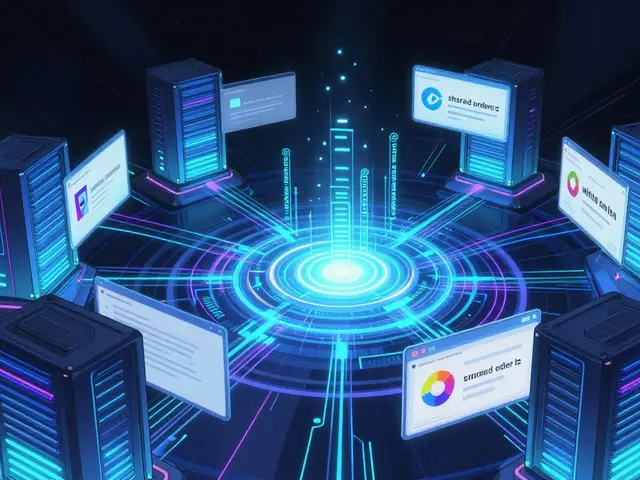
Solidus Ai Tech tackles this by creating a peer-to-peer marketplace. Instead of one company owning all the servers, the network allows individuals and businesses to contribute their unused GPU power. In return, they earn rewards. Users who need AI processing can access these resources at lower costs because there’s no middleman taking a huge cut. It’s essentially the Airbnb model applied to supercomputers.
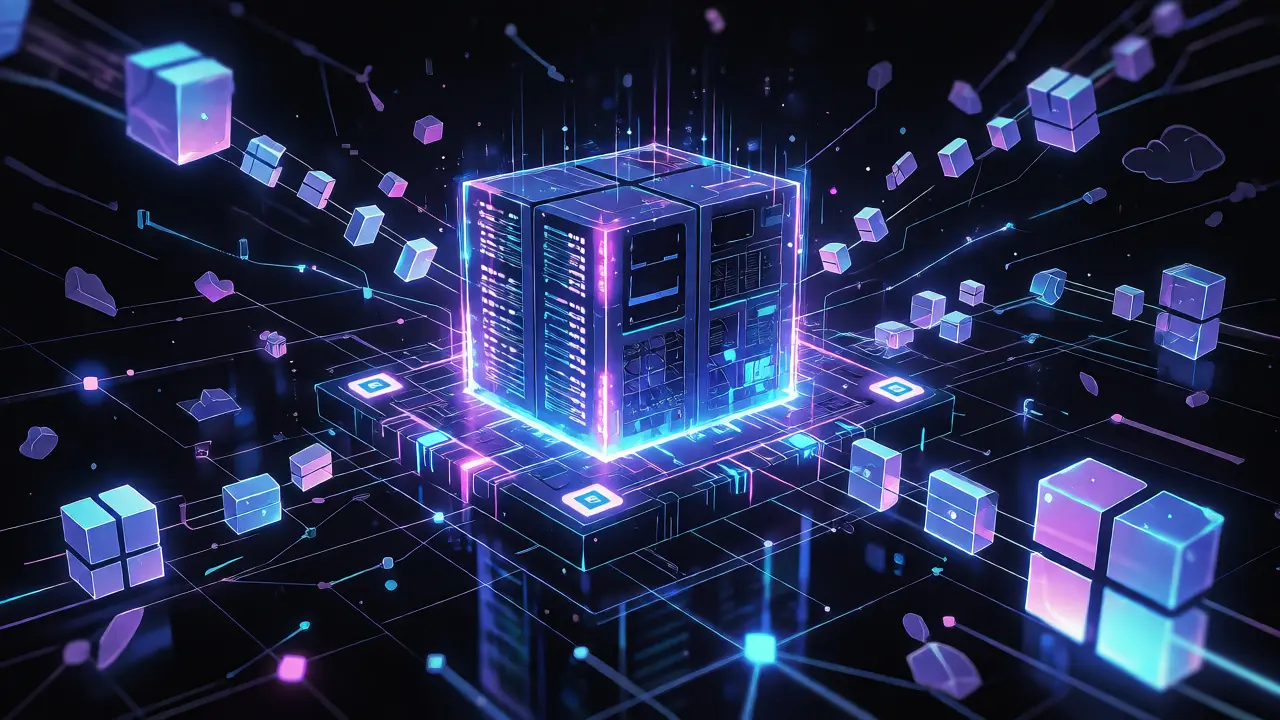
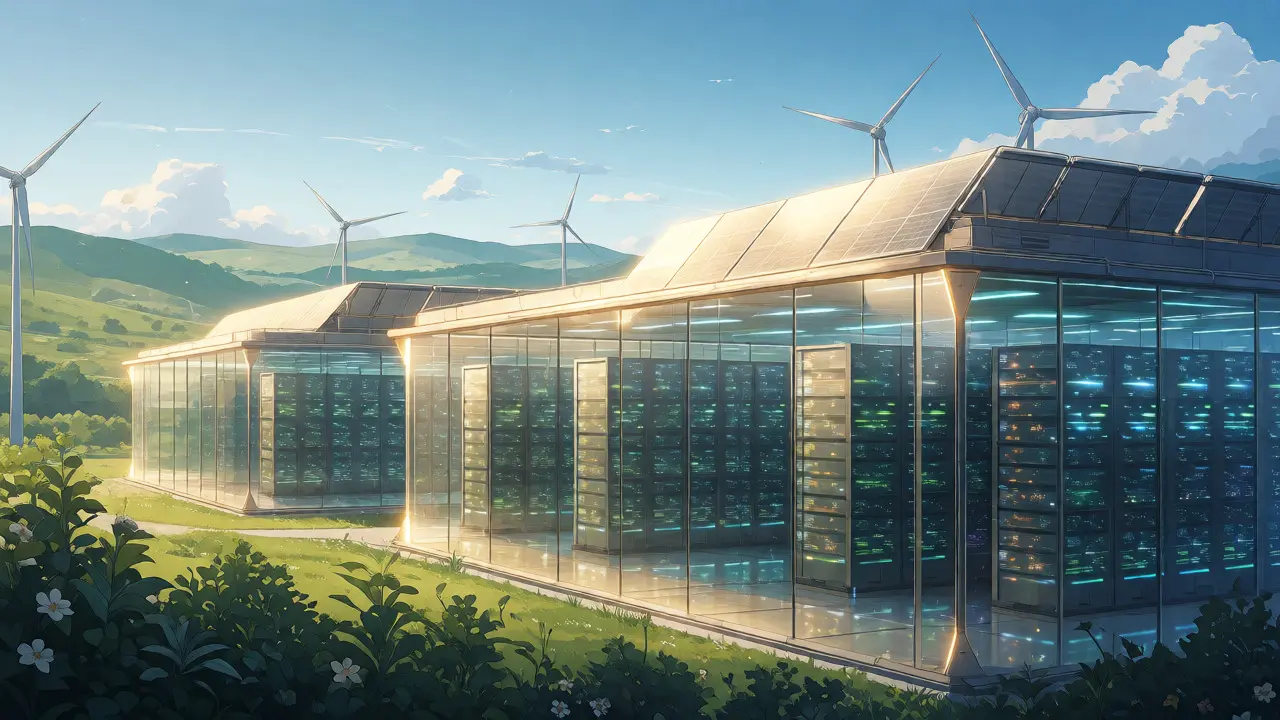
This approach isn’t just theoretical. The company operates an 8,000-square-foot high-performance computing (HPC) data center in Bucharest, Romania. Unlike many crypto projects that exist only on whitepapers, Solidus has physical hardware. They aim for Tier 3 compliance by 2025, which is a big deal for enterprise clients who need guaranteed uptime and reliability. Plus, they emphasize sustainability, powering operations with renewable energy sources to counter the "crypto mining kills the planet" narrative.
Inside the Platform: Agent Forge and AIaaS
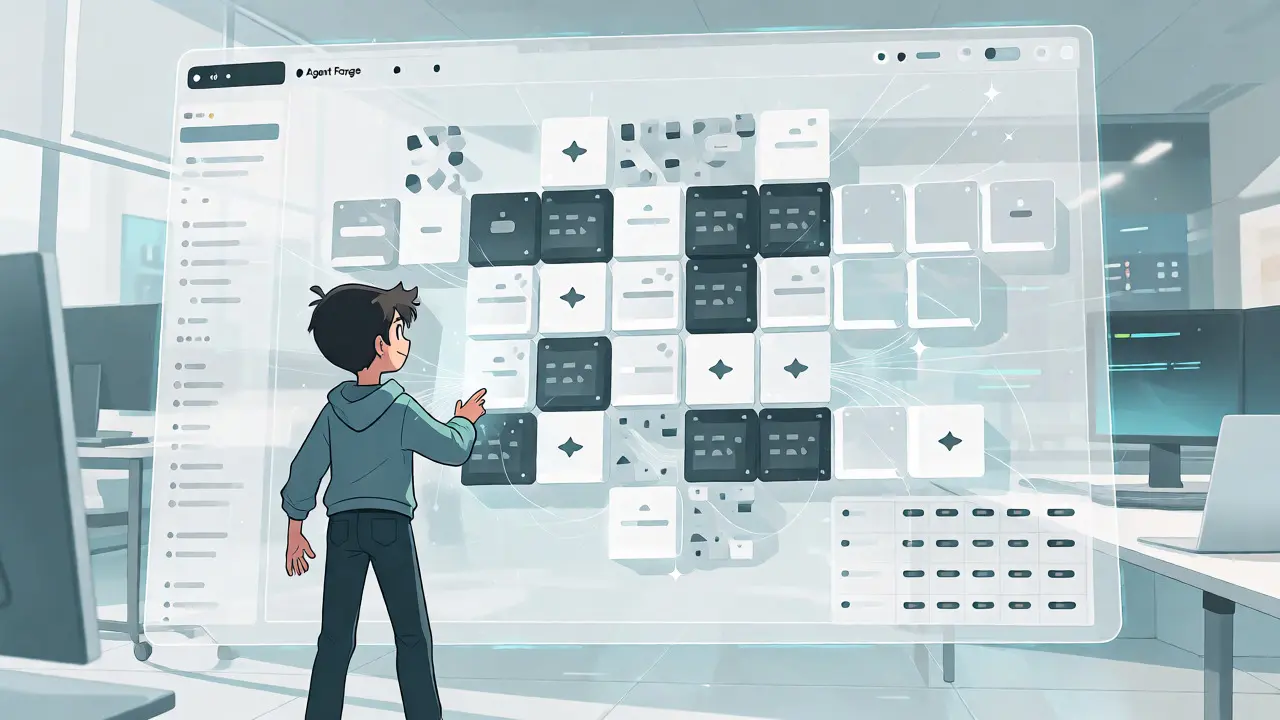
So, how do you actually use this thing? You don’t need to be a coding wizard. The platform features a product called Agent Forge, a no-code interface that lets users create, deploy, and monetize autonomous AI agents. Imagine building a customer service bot or a data analysis tool without writing a single line of Python code. That’s the goal of Agent Forge.
The architecture is layered to handle different needs:
- Infrastructure Layer: This is the backbone, consisting of the HPC data centers and distributed nodes providing raw computing power.
- AI Marketplace: A decentralized exchange where users can buy and sell AI services and computational resources using AITECH tokens.
- Developer Tools: APIs and compatibility with popular machine learning frameworks allow developers to integrate Solidus into existing applications.
By combining blockchain transparency with AI-as-a-Service (AIaaS), Solidus claims to offer a more cost-effective alternative to centralized clouds. Early data suggests price points ranging from $0.01867 to $0.07355 per unit of resource, depending on market conditions. While these numbers fluctuate, the core value proposition remains: cheaper, greener, and more transparent AI computing.
Tokenomics: How AITECH Works
The native token, AITECH, is the fuel for this engine. Launched in August 2023, it is described as a deflationary utility token. What does that mean for you? Deflationary mechanisms reduce the total supply over time, potentially increasing scarcity and value if demand rises. However, don’t let the word "deflationary" fool you into thinking the price always goes up. Volatility is still king in crypto.
Here is a snapshot of the key metrics based on recent data trends:
| Metric | Value / Description |
|---|---|
| Total Supply | ~1.99 billion tokens |
| Circulating Supply | ~1.72 billion tokens (as of late 2024) |
| Blockchain Network | Ethereum (ERC-20) |
| Primary Utility | Paying for AI services, staking, governance |
| Staking Rewards | Available via lock-up periods for passive income |
You can earn AITECH by contributing computing resources to the network or by staking your tokens. Staking offers various Annual Percentage Yields (APY), rewarding holders for locking up their coins to secure the network and provide liquidity. It’s important to note that unlike Bitcoin, AITECH doesn’t rely on energy-intensive Proof-of-Work mining. Instead, it uses smart contracts on Ethereum to manage transactions securely and transparently.
Market Position and Competition
The AI crypto sector is crowded. You have heavyweights like SingularityNET and Fetch.ai already established in the space. Where does Solidus fit in?
Solidus differentiates itself through its tangible infrastructure focus. While some competitors are purely software layers, Solidus owns physical data centers. This hybrid approach appeals to investors who want real-world assets backing their digital investments. However, this comes with challenges. Running data centers is expensive. Maintaining hardware requires constant capital expenditure, which can weigh on profitability compared to pure software protocols.
Market performance reflects these complexities. AITECH saw a market cap peak around $111 million in mid-2024 but faced corrections, dropping to approximately $34 million by late 2024. This volatility highlights the risk. Analysts are split. Some predict long-term potential due to the unique positioning in sustainable AI infrastructure, while others caution that short-term gains might be elusive given the broader market downturns and competitive pressure.
Pros and Cons: Is It Worth Your Time?
Before you buy, weigh the benefits against the risks. Here’s a quick breakdown based on current user feedback and technical analysis.
| Pros | Cons |
|---|---|
| Tangible Assets: Owns physical HPC data centers in Europe. | High Volatility: Price swings can exceed 40% in a month. |
| Sustainability: Uses renewable energy, appealing to ESG investors. | Liquidity Issues: Lower trading volume compared to top-tier AI coins. |
| No-Code Access: Agent Forge lowers the barrier for non-developers. | Learning Curve: New users report needing weeks to master the ecosystem. |
| Cost Efficiency: Potentially cheaper than AWS or Azure for specific tasks. | Adoption Rate: Only ~15,000 active users reported in Q3 2024. |
User sentiment is mixed. On platforms like Reddit and Trustpilot, early adopters praise the transparency and the practicality of the no-code tools. However, complaints frequently center on the complexity of onboarding for non-crypto natives and the erratic price action. If you’re a beginner, dollar-cost averaging (buying small amounts regularly) is often recommended over trying to time the market perfectly.
Future Outlook and Roadmap
What’s next for Solidus? The immediate goal is achieving Tier 3 compliance for their Bucharest facility. This certification would signal to enterprise clients that their data is safe and services are reliable, potentially unlocking larger B2B contracts. Additionally, the roadmap includes expanding beyond Ethereum to other blockchains to reduce gas fees and improve scalability.
Regulatory winds are also shifting in their favor. The EU AI Act, expected to set global standards for responsible AI, aligns well with blockchain’s inherent transparency. Since Solidus is headquartered in Dubai but operates heavily in Europe, they are strategically positioned to navigate these regulations better than some US-based competitors facing stricter SEC scrutiny.
Long-term viability depends on execution. Can they scale their user base from 15,000 to millions? Can they compete with Amazon’s sheer marketing muscle? These are tough questions. But if they succeed in making decentralized AI accessible and affordable, AITECH could become a foundational layer for the next generation of web applications.
Is Solidus Ai Tech a good investment?
It depends on your risk tolerance. AITECH has strong fundamentals with physical infrastructure and a growing AI market tailwind. However, it suffers from high volatility and lower liquidity compared to major coins. It’s best suited for those who believe in the long-term thesis of decentralized AI infrastructure and can withstand short-term price drops.
How do I buy AITECH tokens?
You can purchase AITECH on major cryptocurrency exchanges such as Gate.io, MEXC, and Bitget. After buying, you can store them in any ERC-20 compatible wallet like MetaMask or Trust Wallet.
What is Agent Forge?
Agent Forge is Solidus Ai Tech’s no-code platform that allows users to build, deploy, and monetize autonomous AI agents without needing programming skills. It simplifies the process of integrating AI capabilities into business workflows.
Does AITECH use mining?
No, AITECH does not use Proof-of-Work mining like Bitcoin. Instead, users earn tokens by contributing computing resources to the network or by staking their existing tokens to support the ecosystem.
Where is Solidus Ai Tech located?
The company is headquartered in Dubai, United Arab Emirates, but its primary high-performance computing data center is located in Bucharest, Romania.