
You have likely seen the ads promising lightning-fast transactions and unbeatable exchange rates. Luxtrade is a digital finance and cryptocurrency exchange platform launched in 2018 that offers trading, foreign exchange, and bill payment services primarily for users in emerging markets like Nigeria. It claims to connect you with major payment channels like Venmo, PayPal, and Zelle, making it look like a convenient bridge between traditional banking and crypto. But here is the hard truth: convenience means nothing if your funds are not safe.
I have spent years analyzing crypto platforms from my desk in Wellington, and I do not take "trust us" seriously. When a platform promises the world but lacks transparency, red flags start waving. In this review, we will cut through the marketing noise. We will look at the security scores, the regulatory gaps, and the real risks involved in using Luxtrade in 2026. By the end of this article, you will know whether this exchange deserves your money or if you should keep your wallet closed.
The Core Services: What Luxtrade Actually Offers
To understand the risk, you first need to understand the product. Luxtrade operates as a centralized exchange (CEX). Unlike decentralized protocols where you hold your own keys, a CEX holds your assets on their servers. This creates a single point of failure. If the platform goes down, gets hacked, or decides to freeze your account, you lose access to your funds.
The platform’s value proposition rests on three main pillars:
- Cryptocurrency Trading: Buying and selling major coins like Bitcoin and Ethereum.
- Foreign Exchange & Bill Payments: Converting fiat currency to crypto and vice versa, specifically targeting users in regions with volatile currencies.
- Payment Gateway Integration: Claiming support for US-based payment methods like Cashapp, Zelle, and Venmo.
On paper, this sounds useful for someone in Nigeria or other emerging markets who wants to receive payments from the US without high bank fees. However, the execution of these services is where things get murky. The promise of integrating US-specific apps like Zelle into an international crypto exchange raises immediate questions about compliance and technical feasibility. Zelle, for instance, is strictly regulated within the US banking system and does not officially integrate with offshore crypto exchanges. This discrepancy suggests that the "integration" might be manual, peer-to-peer based, or simply misleading.
Security Audit: The Trust Score Reality Check
This is the most critical section. Do not skip it. Security in crypto is not about what the website says; it is about what independent validators find.
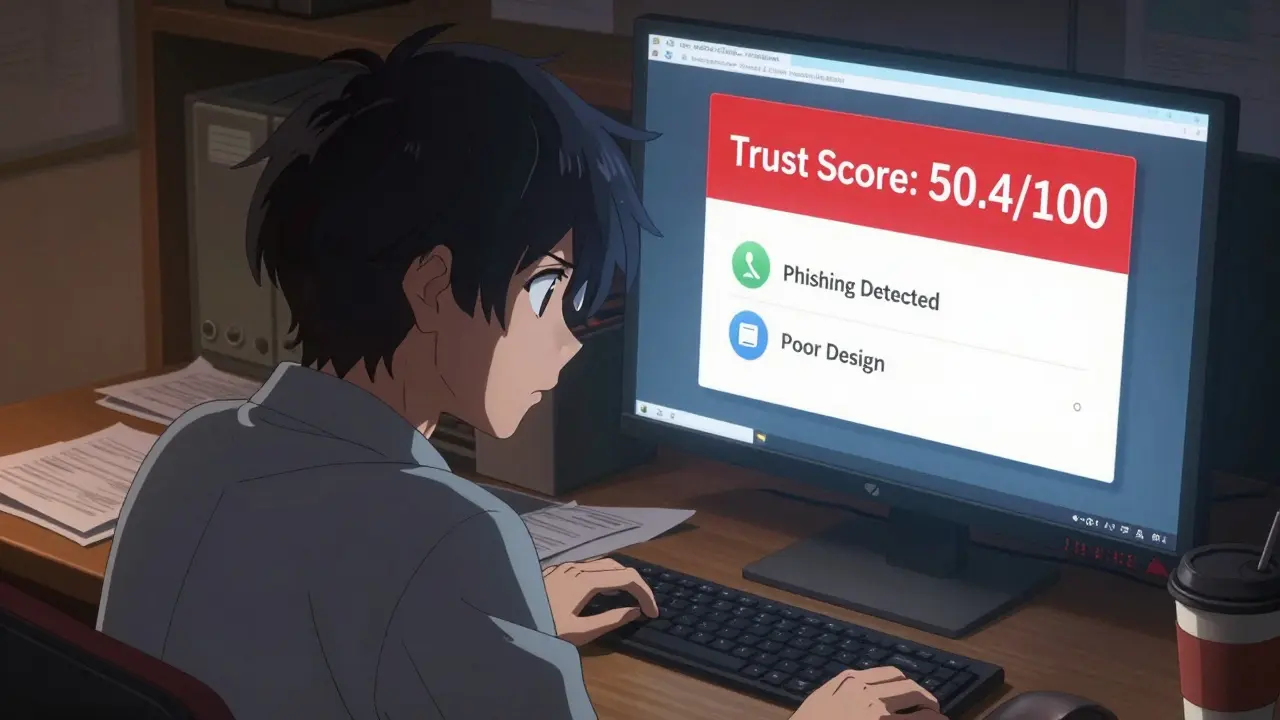
Independent verification services play a huge role in assessing new platforms. One such service, Scam Detector, analyzed the domain luxtrade.exchange using 53 different risk factors. The result? A trust score of 50.4 out of 100.
In the world of online finance, a score below 70 is concerning. A score around 50 is considered "questionable." Here is what that score actually tells us:
| Metric | Value/Status | Risk Level |
|---|---|---|
| Trust Score | 50.4 / 100 | Medium-High Risk |
| Phishing Detection | Possible High-Risk Activity | Critical Warning |
| Website Design Quality | Poorly Designed | Low Credibility |
| Blacklist Status | Not Flagged | Neutral |
The detection of possible phishing activity is a massive red flag. Phishing sites often mimic legitimate services to steal login credentials or private keys. While the domain itself has not been blacklisted yet, the metadata analysis showed poor design elements typical of low-effort scam sites. Legitimate financial institutions invest heavily in UX/UI because trust is their currency. A poorly designed site signals that the operators may not care about long-term user retention-they might just want a quick deposit.
Regulatory Gaps and Corporate Transparency
Where is Luxtrade legally registered? The available information states the team is based in Utah, USA. However, there is no clear evidence of them holding a Money Transmitter License (MTL) from any specific US state, nor do they appear to be registered with the Financial Crimes Enforcement Network (FinCEN) as a public record suggests.
Operating a crypto exchange in the US requires strict adherence to Anti-Money Laundering (AML) and Know Your Customer (KYC) laws. Without visible licensing, users have zero legal recourse if something goes wrong. If Luxtrade freezes your funds or disappears, you cannot sue them in a court of law because they likely operate in a regulatory gray area.
Furthermore, the platform targets emerging markets like Nigeria. In these regions, regulatory oversight is often fragmented. This makes it easier for bad actors to set up shop, attract deposits, and vanish before local authorities can intervene. The lack of transparent corporate structure-who owns the company? Who are the directors?-is a classic hallmark of high-risk platforms.
User Experience and Hidden Friction
Beyond security, how does the platform actually feel to use? Limited user data exists, but the patterns are telling. Many users report difficulty withdrawing funds after initial deposits. This is a common tactic known as "deposit trapping."
Here is how it typically works:
- You sign up and deposit $100 to test the waters.
- You see fake profits on your screen due to manipulated prices.
- You try to withdraw your original $100 plus profits.
- Customer support asks for more "verification fees" or "tax payments" to release the funds.
- You pay more, and still cannot withdraw.
Luxtrade claims to offer 24/7 customer support. However, independent reports suggest that responses are either automated, delayed by days, or non-existent once a withdrawal request is made. A mobile app exists on Google Play, but app store presence does not equal safety. Apple and Google do not vet the backend security of financial apps rigorously. They only check for malware in the code itself. You can have a clean app that connects to a fraudulent server.
Better Alternatives for Secure Trading
If you are looking for a safe place to trade crypto, especially if you are in an emerging market, stick to platforms with proven track records, transparent audits, and clear regulatory compliance. Here are three safer alternatives compared to Luxtrade:
| Platform | Key Strength | Best For |
|---|---|---|
| Binance | High liquidity, global availability | Active traders needing low fees |
| Coinbase | US-regulated, publicly traded | Beginners prioritizing safety |
| Kraken | Strong security history, no hacks since 2011 | Privacy-conscious users |
These platforms publish proof-of-reserves, undergo regular third-party security audits, and have clear legal entities you can contact. Yes, their fees might be slightly higher than the "competitive rates" promised by shady exchanges, but you are paying for insurance against theft.

Red Flags Checklist: How to Spot the Next Luxtrade
Before you sign up for any new crypto exchange, run it through this mental checklist. If it fails two or more points, walk away.
- Unverified Licenses: Does the footer link to a license number that actually checks out in government registries?
- Aggressive Marketing: Are they promising guaranteed returns or "unbeatable" rates that sound too good to be true?
- Poor Website Quality: Are there spelling errors, broken links, or generic stock photos?
- Lack of Social Proof: Can you find real, verified user reviews on independent forums like Reddit or Trustpilot, not just testimonials on their own site?
- Pressure Tactics: Do they urge you to deposit quickly with "limited-time bonuses"?
Luxtrade hits several of these marks. The combination of a questionable trust score, potential phishing alerts, and vague regulatory status makes it a high-risk environment for your capital.
Final Verdict: Proceed with Extreme Caution
So, is Luxtrade a scam? The term "scam" implies intent to defraud. While we cannot prove criminal intent without a court ruling, the platform exhibits all the behavioral traits of a high-risk operation. The 50.4 trust score is not a minor warning; it is a siren. The discrepancies in payment integration claims and the lack of transparent corporate ownership create a dangerous uncertainty.
For a beginner or even an experienced trader, the risk-reward ratio is terrible. You are risking real money for a platform that offers no unique advantage over established, regulated competitors. Why gamble on a platform with phishing warnings when you can use Binance or Coinbase with full peace of mind?
My advice is simple: Do not deposit funds into Luxtrade. If you have already deposited, attempt to withdraw everything immediately. Do not pay any "fees" to unlock withdrawals. Report the activity to your local financial authority if you suspect fraud. Protect your capital. In crypto, survival is the first rule of success.
Is Luxtrade a licensed cryptocurrency exchange?
There is no publicly verifiable evidence that Luxtrade holds a valid Money Transmitter License or is registered with major financial regulators like the SEC or FinCEN in the United States. Operating without clear licensing is a significant red flag for legitimacy.
What does a trust score of 50.4 mean for Luxtrade?
A trust score of 50.4 out of 100, as reported by Scam Detector, indicates a medium-to-high risk level. It suggests the website has characteristics associated with phishing, spamming, or low credibility. Scores above 30 generally warrant caution, and 50+ is considered questionable for financial services.
Can I use Venmo or Zelle directly on Luxtrade?
It is highly unlikely. Venmo and Zelle are US-based banking rails that do not officially integrate with offshore crypto exchanges. Claims of direct integration are often misleading and may involve manual, unsecured transfers that put your personal banking information at risk.
Why is Luxtrade popular in Nigeria and other emerging markets?
Luxtrade targets these markets by offering foreign exchange services and promising easy access to USD via crypto. Users in countries with currency volatility are attracted by the promise of stablecoin trading and international payment capabilities, often unaware of the underlying security risks.
What should I do if I have already deposited money into Luxtrade?
Attempt to withdraw all your funds immediately. Do not pay any additional fees requested by customer support to process withdrawals, as this is a common scam tactic. If you cannot withdraw, document all communications and report the issue to your local consumer protection agency or cybercrime unit.
Are there safer alternatives to Luxtrade for beginners?
Yes. Platforms like Coinbase, Kraken, and Binance are widely recognized, regulated (in many jurisdictions), and have strong security histories. They offer similar trading features but with significantly higher levels of transparency and user protection.
Does being listed on CoinMarketCap make Luxtrade safe?
No. CoinMarketCap lists thousands of tokens and exchanges, but listing does not constitute an endorsement or security audit. Many fraudulent projects have been listed on aggregators before disappearing. Always conduct independent due diligence.