
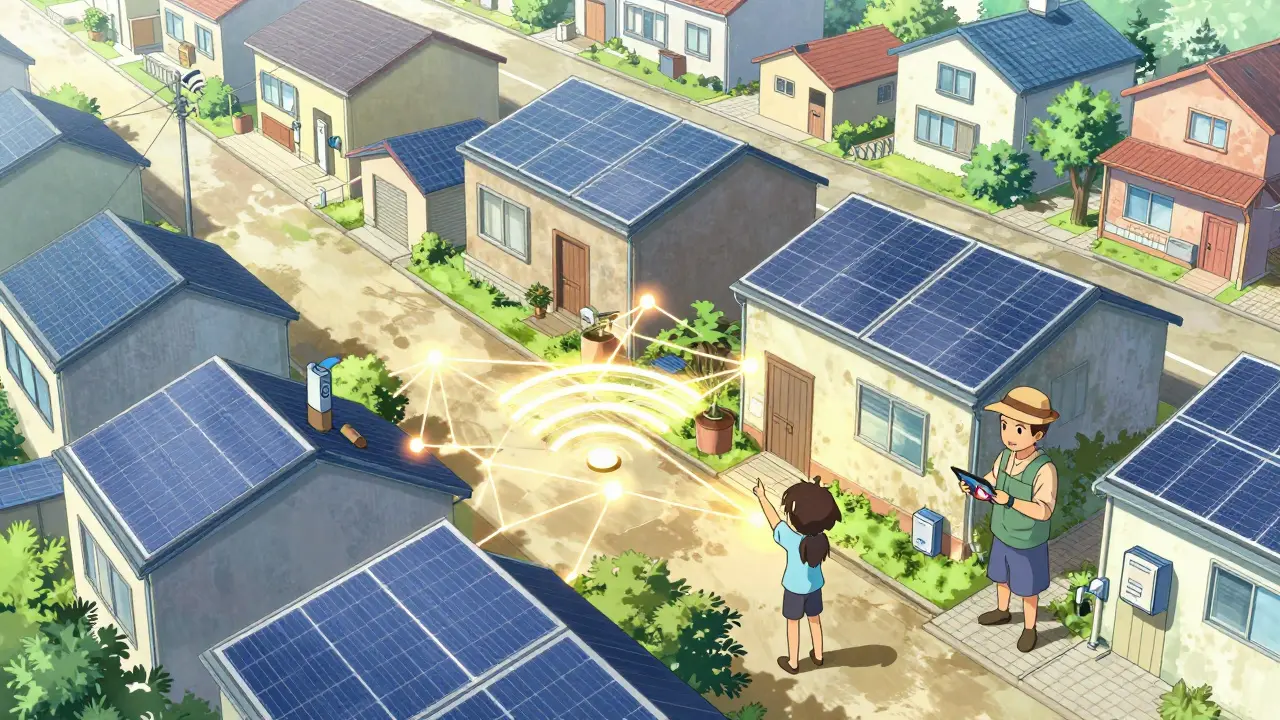
DePIN is a Decentralized Physical Infrastructure Network that uses blockchain to create community-owned infrastructure like wireless networks, energy grids, and storage systems. Imagine your unused solar panels or Wi-Fi router helping build a global network while earning you crypto. That’s exactly what DePIN projects do. No big corporations controlling everything-just everyday people sharing resources and getting paid in cryptocurrency. Let’s break down how this works in plain English.
What is DePIN?
DePIN stands for Decentralized Physical Infrastructure Networks. It’s not a single project but a whole category of blockchain-based systems. These networks let people build and maintain real-world infrastructure like cell towers, solar grids, or cloud storage by pooling resources together. Instead of one company owning everything, thousands of individuals contribute hardware or services. They earn cryptocurrency rewards for their participation. Think of it like a neighborhood group building a park together, but instead of shovels and rakes, they use Wi-Fi hotspots or solar panels. The blockchain keeps track of who did what and pays them fairly. No middlemen, no secret rules-just transparent, community-driven infrastructure.
How DePIN Works
At its core, DePIN uses three key pieces of technology working together. First, blockchain acts as the backbone. It’s a public ledger that records every transaction and action securely. Second, smart contracts automate the process. These are self-executing agreements that handle payments, access permissions, and rules without human intervention. For example, if you share your internet bandwidth, a smart contract automatically pays you in tokens once your contribution is verified. Third, tokenization turns physical resources into digital tokens. A solar panel generating extra energy? It gets represented as a token in the network. This token can then be traded or used to access services. All three work in harmony: blockchain records everything, smart contracts enforce the rules, and tokens reward participation. The result? Infrastructure built by the community, for the community.
Two Types of DePIN Networks
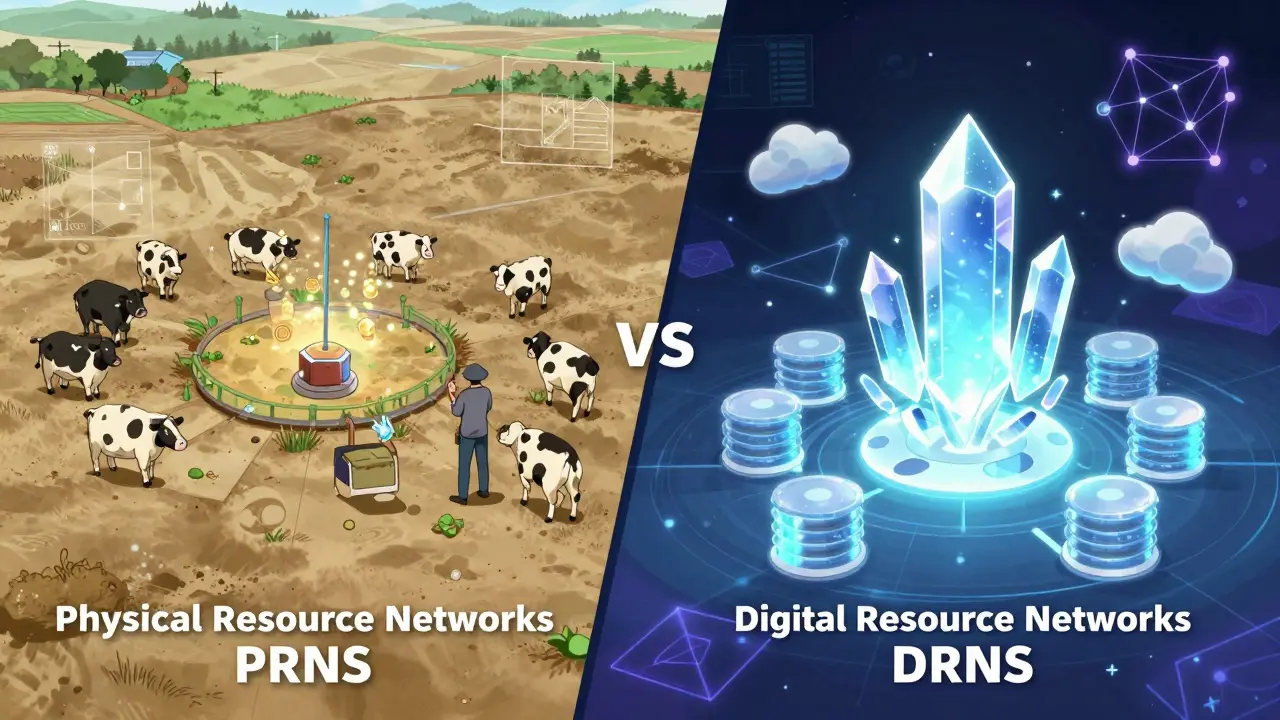
DePIN projects fall into two main categories based on what kind of resources they use. Physical Resource Networks (PRNs) deal with location-based hardware. Think cell towers, solar panels, or EV charging stations. These resources are fixed in place-you can’t move a cell tower from New Zealand to Brazil. For example, the Helium network uses PRNs. Participants set up hotspots in their homes to provide wireless coverage. In return, they earn Helium tokens. The system tracks each hotspot’s location and usage, ensuring fair rewards.
Digital Resource Networks (DRNs), on the other hand, handle portable digital resources. These include cloud storage, computing power, or bandwidth that isn’t tied to a physical location. For instance, Filecoin lets users rent out unused hard drive space for decentralized storage. Unlike Helium’s hotspots, Filecoin’s storage nodes can be anywhere in the world. The table below compares how these two types differ:
| Aspect | Physical Resource Networks (PRNs) | Digital Resource Networks (DRNs) |
|---|---|---|
| Resource Type | Location-based hardware (e.g., cell towers, solar panels) | Portable digital resources (e.g., cloud storage, computing power) |
| Portability | Fixed to specific locations | Can be used globally |
| Example Projects | Helium wireless network | Filecoin storage, Render for rendering |
Real-World Examples
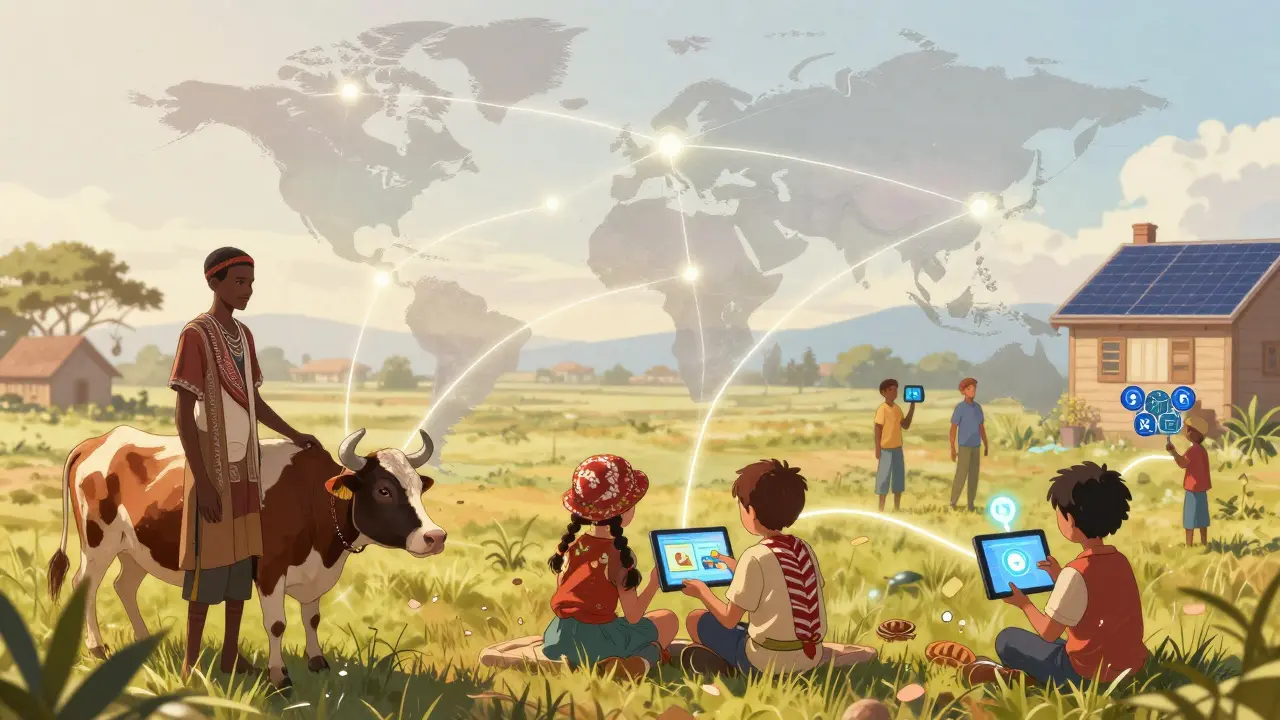
DePIN isn’t just theory-it’s already solving real problems. Take Helium. Started in 2019, it’s built a global wireless network using 1.5 million hotspots. People buy these hotspots, plug them in, and earn tokens for providing coverage. In rural areas where telecom companies won’t build towers, Helium fills the gap. Farmers in Kenya use it to monitor livestock, and schools in Peru get internet access. Then there’s solar energy sharing. In Australia, DePIN projects let households with solar panels sell excess power to neighbors. Instead of feeding unused energy into the grid for pennies, they earn tokens directly from local users. For cloud storage, Filecoin has over 20,000 storage providers worldwide. Users pay less than Amazon Web Services for more secure, decentralized storage. These examples show how DePIN turns everyday resources into community infrastructure.
Key Benefits of DePIN
Why does DePIN matter? First, it’s more secure. Traditional systems have single points of failure-like a central server getting hacked. DePIN spreads control across thousands of devices. If one hotspot goes down, the network keeps running. Second, it’s cheaper. Without corporate overhead, services cost less. Helium’s data plans are 70% cheaper than traditional carriers in some regions. Third, it’s accessible. In places where banks or telecoms don’t operate, DePIN provides essentials. In Nigeria, DePIN-based solar grids power clinics and schools. Fourth, it’s sustainable. By using existing resources (like unused Wi-Fi routers), DePIN cuts waste. Finally, it’s democratic. Participants vote on network upgrades. No CEO deciding unilaterally-just community-driven decisions.
How to Get Involved
You don’t need a tech degree to join a DePIN project. Here’s how to start:
- Find a project: Look for DePIN networks that match your resources. Helium for wireless, Filecoin for storage, or solar-focused projects if you have panels.
- Get the hardware: Buy a hotspot (like Helium’s $200 device) or use existing equipment. Some projects let you contribute with just a smartphone.
- Set it up: Plug in the device, connect to the network, and let it run. Most are plug-and-play.
- Earn tokens: The network automatically tracks your contribution and pays you in cryptocurrency. You can hold the tokens or sell them on exchanges.
For solar owners, apps like Power Ledger let you trade energy directly with neighbors. No utility company needed. If you’re just starting, try Helium’s testnet to learn without financial risk. The barrier to entry is low-anyone with a router or solar panel can participate.
Frequently Asked Questions
What is a DePIN project?
DePIN stands for Decentralized Physical Infrastructure Networks. These are blockchain-based systems where people share physical resources like Wi-Fi hotspots, solar panels, or storage space to build infrastructure. Participants earn cryptocurrency rewards for contributing, creating community-owned alternatives to traditional corporate services.
How do I earn tokens in DePIN networks?
You earn tokens by sharing underused resources. For example, setting up a Helium hotspot earns you tokens for providing wireless coverage. Solar panel owners sell excess energy through DePIN networks and get paid in tokens. The blockchain automatically verifies your contribution and issues rewards-no manual claims needed. Tokens are usually tradable on cryptocurrency exchanges.
Is DePIN secure?
Yes, DePIN is more secure than traditional systems. Because it’s decentralized, there’s no single point of failure. Hackers can’t take down the whole network by attacking one server. Data is encrypted and stored across thousands of devices. Smart contracts enforce rules transparently, so no one can manipulate payments. Helium’s network has handled over 50 billion data transfers without major breaches.
What’s the difference between PRNs and DRNs?
Physical Resource Networks (PRNs) use location-based hardware like cell towers or solar panels that stay in one place. Digital Resource Networks (DRNs) handle portable digital resources like cloud storage or computing power that can be used anywhere. PRNs are ideal for local infrastructure (e.g., Wi-Fi in a neighborhood), while DRNs work for global services (e.g., storing files across continents).
Can I participate without special hardware?
Some DePIN projects let you contribute with everyday devices. Helium has a mobile app that uses your smartphone’s Wi-Fi to provide coverage (though earnings are smaller than with dedicated hotspots). For storage networks like Filecoin, you can use existing hard drives on your computer. You don’t need to buy new gear-just repurpose what you already have.
How does tokenomics drive DePIN growth?
Tokenomics refers to how cryptocurrency rewards are structured. In DePIN, tokens incentivize participation. For example, Helium rewards hotspots based on coverage quality and usage. More reliable contributors earn more tokens. This creates a self-sustaining loop: better infrastructure attracts more users, who then earn more tokens to invest in better hardware. Token rewards also fund network development, ensuring long-term growth without external funding.




Comments
Alex Garnett
February 7, 2026 AT 06:39 AMDePIN is a joke. Real infrastructure requires serious capital and expertise, not some amateurish crypto project. America leads the world in tech for a reason-because we don't waste time on gimmicks like this. Stick to what you know.
aryan danial
February 8, 2026 AT 19:27 PMDePIN, while conceptually intriguing, is fraught with numerous practical challenges that are often glossed over by enthusiasts. For instance, the reliance on blockchain for physical infrastructure introduces significant scalability issues; the network's capacity to handle millions of transactions per second is questionable. Moreover, the tokenomics model appears unsustainable; many projects distribute tokens in ways that incentivize short-term participation without long-term commitment. Additionally, security vulnerabilities are a major concern; decentralized systems are often targeted by hackers due to their transparency. In my extensive research, I've found that most DePIN projects fail within a year due to these factors. However, there are some promising aspects; for example, Helium's network has shown potential in providing rural connectivity. Yet, even Helium faces challenges with hardware costs and maintenance. It's also worth noting that regulatory hurdles could stifle growth; governments may not recognize these networks as legitimate infrastructure. The environmental impact of blockchain operations is another issue; proof-of-work systems consume vast amounts of energy. While the idea of community-owned infrastructure is noble, the current implementation lacks the robustness needed for widespread adoption. I believe that until these fundamental issues are addressed, DePIN will remain a niche experiment rather than a viable solution. Therefore, I urge caution before investing time or resources into such projects. It's important to critically evaluate the technology before embracing it wholeheartedly. In conclusion, DePIN has potential but requires significant improvements to be truly impactful.
Ryan Chandler
February 10, 2026 AT 07:21 AMImagine a world where every Wi-Fi hotspot, every solar panel, every piece of infrastructure is owned by the community! DePIN is the future-where technology serves humanity, not corporations! It's a revolution, a paradigm shift! The possibilities are endless!
Ajay Singh
February 11, 2026 AT 04:21 AMDePIN is the way forward. Simple, effective, and community-driven. No bureaucracy, just results. Everyone can participate. Start small, think big.
Oliver James Scarth
February 13, 2026 AT 01:19 AMDePIN is a fascinating development, though not without its challenges. However, it is imperative to acknowledge the potential for such networks to empower communities globally. The British perspective, naturally, is one of cautious optimism. We must ensure that such innovations align with our regulatory frameworks.
Kieren Hagan
February 13, 2026 AT 08:26 AMDePIN represents a significant shift towards decentralized infrastructure. By leveraging blockchain and smart contracts, these networks create efficient, transparent systems. It's important to understand the technical aspects before participating. I recommend researching specific projects to find the best fit for your resources.
sachin bunny
February 14, 2026 AT 02:14 AMDePIN is just a trap. Big tech and governments are using this to control us. They want to track everything through your hotspot! 😱 But maybe it's good for the little guy? 🤔 I don't know. Be careful!
Kyle Pearce-O'Brien
February 15, 2026 AT 09:14 AMDePIN is a paradigm-shifting convergence of decentralized infrastructure and blockchain tokenomics. It's a quantum leap for community-owned systems. The implications are profound! 🤯 The synergy between physical resources and smart contracts is revolutionary. This is the future! 🚀
Nathaniel Okubule
February 16, 2026 AT 04:49 AMDePIN offers a great opportunity for everyday people to contribute to infrastructure. It's simple to get started-just plug in a device and earn tokens. This is a win-win for communities. Well done on the explanation!
Shruti Sharma
February 16, 2026 AT 13:58 PMDePIN is so overrated. All these projects are just scams. People are getting ripped off. Why even bother? I've seen so many people lose money. It's a total waste. 😒
Robin Ødis
February 18, 2026 AT 04:59 AMDePIN is an interesting concept but it's not without its flaws. For example, the security concerns are often overlooked. There's a lot of misinformation out there. People need to be more aware of the risks. Also, the tokenomics are not sustainable. I've done extensive research on this topic and I can tell you that most projects will fail. It's important to be critical.
Jacque Istok
February 19, 2026 AT 18:01 PMDePIN is cool, but let's not pretend it's magic. It's blockchain with real-world hardware, which is cool. But it's not going to replace your utility company overnight. Just saying. 😏
David Bain
February 21, 2026 AT 10:11 AMDePIN represents a novel confluence of decentralized technological paradigms and physical infrastructure. The integration of blockchain technology with tangible assets necessitates a robust governance framework. However, the current implementation lacks sufficient regulatory oversight, which could lead to systemic vulnerabilities.
Freddie Palmer
February 22, 2026 AT 09:48 AMDePIN is fascinating! It's really interesting how blockchain can be used for physical infrastructure; it's a game-changer! But wait-what about scalability? And security? Are there any real-world examples of success? I'd love to hear more details!
Alisha Arora
February 23, 2026 AT 21:11 PMDePIN is just a scam. People are being tricked into buying hotspots that don't work. It's all hype. Don't waste your money. Simple as that.
Mrs. Miller
February 24, 2026 AT 10:17 AMDePIN: the future of infrastructure? Or just another 'disruptive' idea that'll fizzle out? It's interesting how we keep trying to reinvent the wheel with blockchain. Maybe we should focus on fixing existing systems instead of chasing shiny new toys. Just saying.
Michael Sullivan
February 25, 2026 AT 09:11 AMDePIN is a scam.
Reda Adaou
February 25, 2026 AT 21:10 PMDePIN is a great way for communities to build infrastructure together. It's simple, accessible, and empowers everyone. I'm excited to see more people get involved!
perry jody
February 27, 2026 AT 00:27 AMLet's build the future together! DePIN is amazing! 🌟 Everyone can contribute-just plug in a device and start earning. It's so cool! 🚀