Imagine buying a luxury handbag or a bottle of rare wine. You want to know it’s real, that it wasn’t swapped out for a fake halfway through shipping, and that the materials were sourced ethically. For decades, this was a black box. Paper certificates got lost, databases got hacked, and trust was often just a marketing slogan. NFTs are changing that. They aren't just profile pictures on Twitter anymore; they are becoming the backbone of global supply chain verification.
If you work in logistics, procurement, or even retail, you’ve likely heard the hype. But beyond the buzzwords, what is actually happening? The data tells a clear story: companies are moving from experimental pilots to serious infrastructure. According to MarketsandMarkets, the supply chain blockchain market hit $5.37 billion in 2024 and is projected to nearly eightfold by 2030. This isn't speculation. It's a structural shift in how we track physical goods using digital identities.
Why Physical Goods Need Digital Twins
The core problem with traditional supply chains is opacity. When a diamond moves from a mine in Botswana to a retailer in New York, it passes through dozens of hands. Each handoff is a potential point of failure or fraud. Counterfeiting costs the global economy over $400 billion annually, according to OECD reports. That’s money lost, but it’s also lost trust.
Non-fungible tokens solve this by creating a unique digital identity for every physical item. Think of it as a digital twin. Unlike fungible tokens like Bitcoin, where one unit is interchangeable with another, an NFT is unique. It holds specific data about its physical counterpart-serial numbers, manufacturing dates, material origins-that cannot be copied or forged.
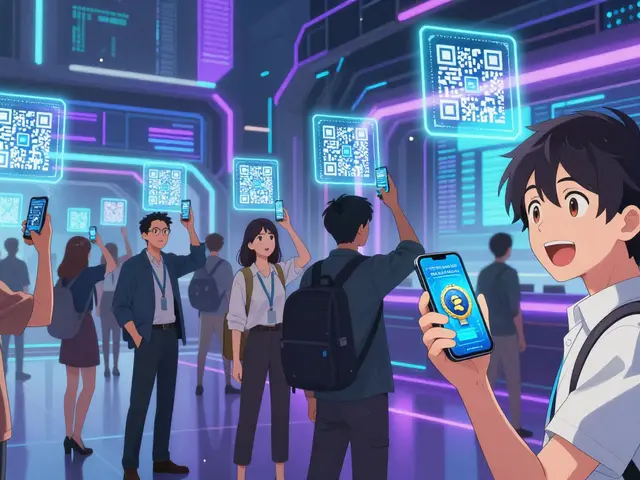
This uniqueness allows for immutable traceability. Once a product enters the supply chain, its journey is recorded on a blockchain ledger. Every scan, every transfer of ownership, and every quality check adds a block to this history. No single entity can rewrite history without consensus. This creates a tamper-proof audit trail that customers can verify with a simple QR code scan.
Real-World Applications Driving Adoption
It’s easy to get lost in theory, so let’s look at who is actually using this tech right now. The adoption isn't uniform; it’s concentrated in high-value sectors where provenance matters most.
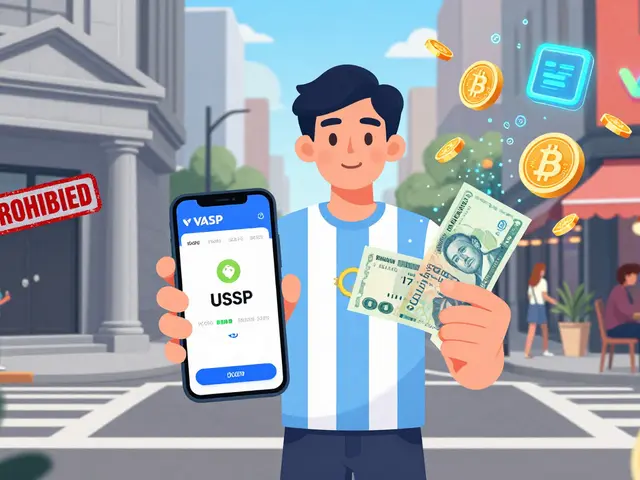
- Luxury Goods: Brands like LVMH, Gucci, and Rolex have implemented NFT authentication systems. Social Med AI’s 2025 analysis shows these brands reduced counterfeit incidents by 31%. Customers receive an NFT alongside their purchase, which acts as a permanent proof of authenticity.
- Pharmaceuticals: Fake drugs are a deadly issue. The U.S. FDA has issued draft guidance encouraging blockchain verification. Pilot programs show that NFT-based tracking reduces regulatory violations by 58% because the system automatically flags discrepancies in temperature or handling during transit.
- Diamonds and Precious Metals: De Beers’ Tracr platform uses blockchain verification to achieve 100% traceability from mine to retail. Since full implementation in 2023, they reported zero counterfeit incidents. This level of certainty commands higher prices and builds consumer confidence.
- Food and Beverage: Château Angélus sold an NFT for $110,000 that included a barrel of wine and digital artwork. This wasn't just art; it was a verifiable chain of custody from vineyard to cellar, ensuring the wine inside wasn't diluted or swapped.
These examples highlight a key trend: NFTs provide value where the cost of fraud exceeds the cost of implementation. For a bag of rice, an NFT might be overkill. For a $10,000 watch, it’s essential.
The Technical Stack: How It Actually Works
You don’t need to be a coder to understand the mechanics, but knowing the components helps in evaluating vendors. A robust NFT supply chain solution isn't just a token; it's a stack of integrated technologies.
| Component | Function | Common Standards/Tools |
|---|---|---|
| Blockchain Ledger | Stores the immutable record of transactions and ownership changes. | Ethereum (ERC-721), Hyperledger Fabric |
| Storage Layer | Holds large metadata files (images, certificates) off-chain to save space. | IPFS (InterPlanetary File System) |
| Smart Contracts | Automates actions when conditions are met (e.g., payment upon delivery). | Solidity, Chaincode |
| IoT Integration | Feeds real-world data (GPS, temperature) into the blockchain. | Sensors, RFID tags, API Gateways |
| User Interface | Allows non-technical users to view and manage assets. | Digital Wallets, Web Portals |
The ERC-721 standard, formalized in January 2018, remains the dominant framework for these implementations. It ensures that each token is distinct and compatible across different platforms. However, enterprise solutions often use permissioned blockchains like Hyperledger for better privacy and speed.
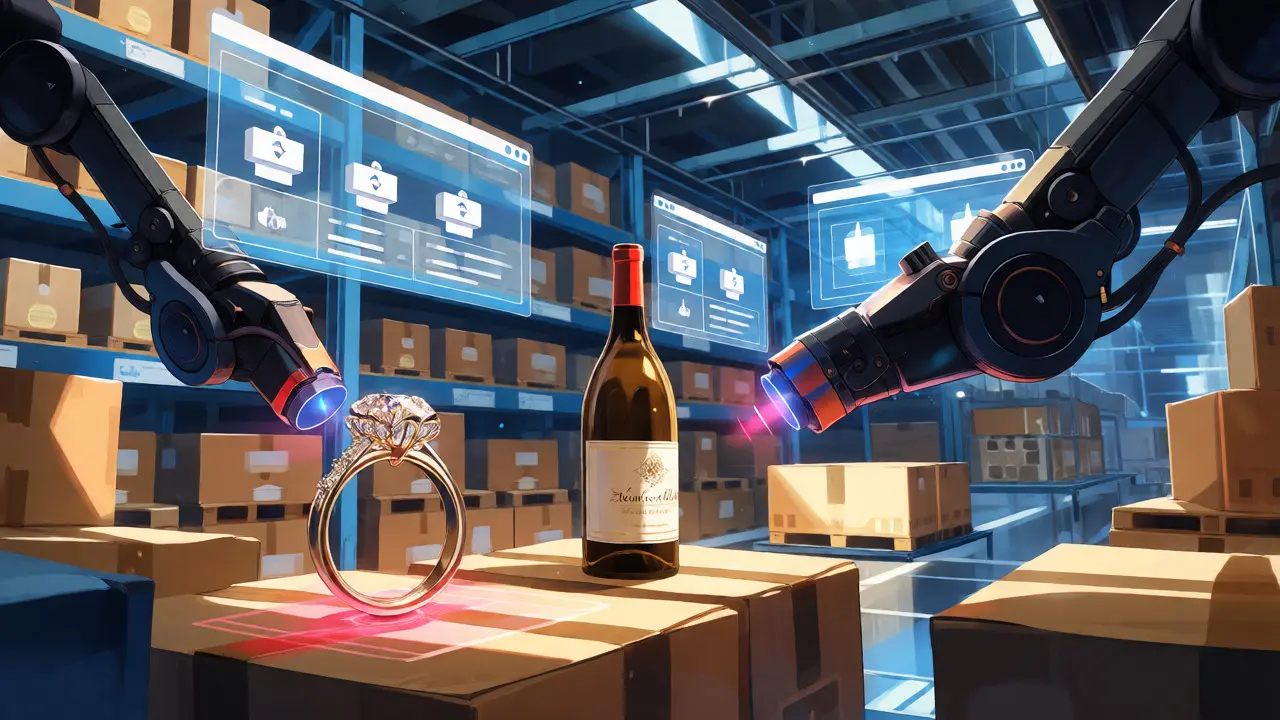
A critical piece here is IoT. Without sensors feeding data into the system, an NFT is just a static record. When combined with GPS trackers and temperature sensors, the NFT becomes dynamic. If a vaccine shipment gets too warm, the smart contract can automatically flag the batch as compromised before it reaches the pharmacy.
Overcoming Implementation Hurdles
Despite the benefits, adoption isn't smooth sailing. Gartner’s Mark Johnson noted in a March 2025 report that 68% of NFT implementations fail because companies implement technology for technology's sake, not to solve a specific business process problem.
The biggest complaints from industry professionals center on complexity and cost. Reddit discussions in r/SupplyChain revealed that 78% of critical comments cited integration difficulties with legacy systems. Many companies still run on ERP software from the early 2000s. Connecting modern blockchain APIs to these old systems requires custom middleware, which drives up costs.
Cost is another factor. Ethereum gas fees averaged $0.15-$2.50 per verification in Q3 2024. While layer-2 solutions are driving this down to $0.02-$0.10, the initial setup isn't cheap. Retails Solutions estimates pilot projects take 3-6 months and enterprise-wide deployment takes 6-12 months, with costs ranging from $250,000 to $2.3 million depending on complexity.
To avoid these pitfalls, experts recommend a phased approach:
- Identify High-Pain Areas: Don’t try to track everything. Start with processes causing 30%+ delays or those prone to high-value fraud.
- Define Clear Triggers: Determine exactly what event updates the NFT. Is it a GPS coordinate? A signature scan? Ambiguity leads to bad data.
- Pilot Before Scaling: Test with a single product line or region. Measure metrics like dispute resolution time and verification speed before rolling out globally.
The Regulatory Push: Digital Product Passports
Technology adoption is often accelerated by regulation. The EU’s Digital Product Passport initiative, effective 2027, will mandate digital traceability for many goods. This aligns perfectly with NFT capabilities. Companies that adopt now won’t just gain efficiency; they’ll ensure future compliance.
In the US, the FDA is pushing for blockchain-based verification in pharma. This regulatory tailwind is turning NFTs from a "nice-to-have" innovation into a "must-have" compliance tool. As noted by Dr. Elena Rodriguez of MIT, NFTs represent the most significant advancement in traceability since barcodes. By 2030, they may become mandatory for regulated industries.
What’s Next: AI and Interoperability
The future isn't just about tracking; it's about predicting. Integration with AI-powered analytics is expected between 2026 and 2027. Imagine an AI analyzing thousands of NFT data points to predict supply chain disruptions before they happen. Or an autonomous system that reroutes shipments based on real-time weather and port congestion data stored on the chain.
Interoperability is the other major frontier. Currently, many blockchains don't talk to each other well. The Enterprise Ethereum Alliance targets standardized cross-chain protocols by 2027. This will allow a manufacturer on one chain to seamlessly share data with a retailer on another, eliminating the silos that currently plague multi-party networks.
Consolidation is also on the horizon. A survey by the Council of Supply Chain Management Professionals suggests 63% of professionals expect a 50% reduction in competing NFT platforms by 2028. We are moving toward a few dominant standards rather than a fragmented landscape of niche tools.
Key Takeaways
- Proven Value: NFTs reduce counterfeits by up to 31% and improve traceability by 92% compared to paper systems.
- Targeted Use: Best suited for high-value goods (luxury, pharma, aerospace) where provenance impacts price and trust.
- Tech Stack Matters: Success requires integrating blockchain with IoT sensors and existing ERP systems, not just issuing tokens.
- Regulatory Driver: EU Digital Product Passports and FDA guidelines are forcing adoption, making NFTs a compliance necessity by 2027-2030.
- Start Small: Avoid the 68% failure rate by piloting specific pain points rather than attempting full-scale transformation immediately.
Are NFTs only for digital art?
No. While popularized by digital art, NFTs are increasingly used for physical asset management. In supply chains, they serve as unique digital identifiers for physical products, enabling traceability, authentication, and automated contract execution.
How do NFTs help prevent counterfeiting?
Each NFT contains unique metadata linked to a specific physical item. Because the blockchain ledger is immutable, once an item is registered, its history cannot be altered. Consumers can scan a code to verify the item's entire journey from origin to current location, making it extremely difficult to pass off fakes as genuine.
What is the cost of implementing NFTs in a supply chain?
Implementation costs vary widely. Pilot projects typically range from $250,000 to $2.3 million depending on supply chain complexity. Ongoing transaction costs depend on the blockchain network; Ethereum fees can range from $0.15 to $2.50 per verification, though layer-2 solutions are reducing this to under $0.10.
Do I need to understand coding to use NFT supply chain tools?
For end-users and managers, no. Modern platforms provide user-friendly interfaces and dashboards. However, successful implementation requires technical expertise for integration with existing ERP and IoT systems, usually handled by specialized developers or vendors.
Will NFTs replace barcodes entirely?
Not necessarily replace, but augment. Barcodes are great for quick scanning of identical items. NFTs add a layer of unique identity and history. In many cases, a product might have both a barcode for logistics scanning and an NFT for provenance verification, working together to provide comprehensive data.